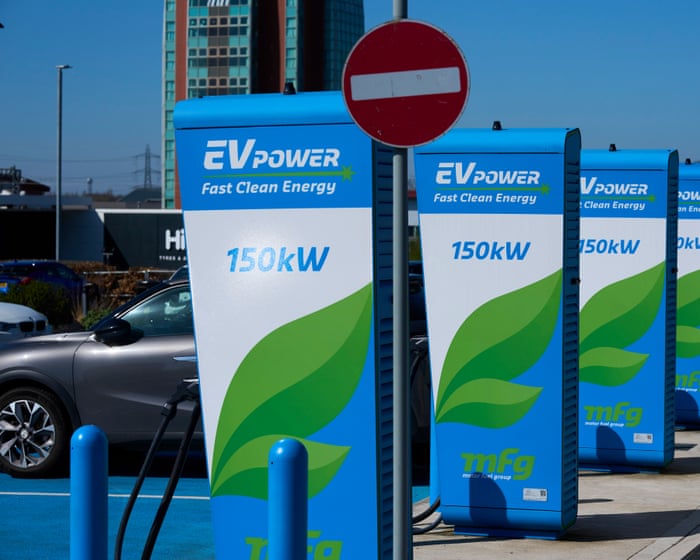
Treasury rejected ministers’ plan to cut VAT on public EV charging to 5%
Summary
The UK Treasury rejected a government plan to reduce VAT on electricity used at public electric vehicle (EV) chargers from 20% to 5%. This decision followed disagreements between departments, even though lowering VAT on public EV charging is supported by transport officials to help consumers amid rising living costs.Key Facts
- The government considered cutting VAT on public EV charging electricity from 20% to 5% during the last budget.
- The Treasury, led by Chancellor Rachel Reeves, rejected the proposal because of concerns about lost tax revenue.
- Electricity charged at home for EVs is charged VAT at 5%, while public chargers are charged at 20%.
- Transport officials encouraged EV charging companies to explain how they would lower prices if VAT was cut; companies said they would pass savings to consumers.
- The difference in VAT rates is called a “pavement tax” by critics who say it discourages electric car use, especially for those without home charging.
- A London tax tribunal ruled that VAT on public EV charging should be 5%, but HM Revenue & Customs (HMRC) is appealing this decision.
- The government plans to review public EV charging costs in the autumn, which includes the VAT issue.
- The government promotes EV use through car discounts and investments but also plans a new 3p-per-mile charge for EVs starting in 2028 to replace lost fuel taxes.
Read the Full Article
This is a fact-based summary from The Actual News. Click below to read the complete story directly from the original source.