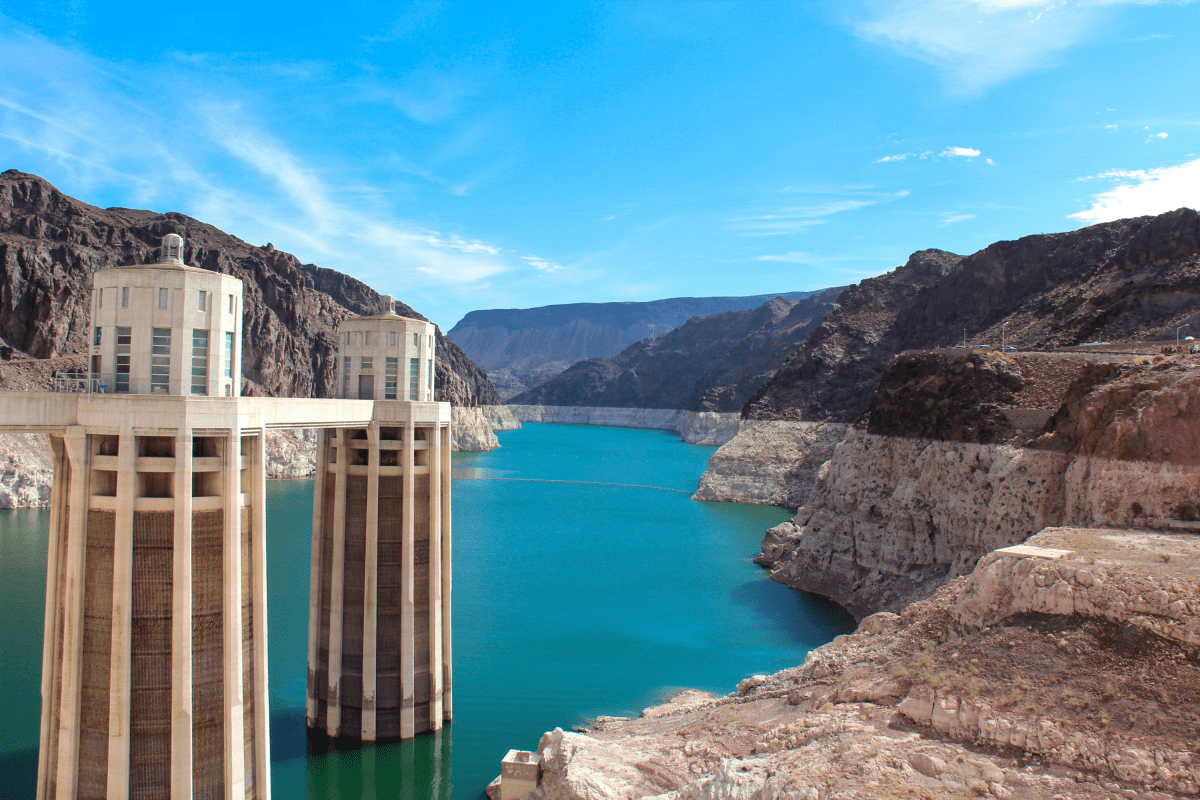
Map Shows Most Endangered Lakes in US
Summary
Many lakes in the United States are shrinking, warming, and becoming more polluted due to climate change, water overuse, and pollution. These changes threaten water quality, wildlife, and public health across different regions.Key Facts
- Climate change causes droughts and higher temperatures, which reduce lake water levels.
- Human activities like farming and growing populations divert water from lakes.
- Pollution from fertilizers, sewage, and industry adds harmful nutrients to lakes.
- The Great Salt Lake in Utah has lost about 73% of its water since 1850 and faces rising salt levels and toxic dust risks.
- Lake Erie suffers from harmful algal blooms caused mainly by fertilizer runoff, threatening drinking water.
- Lake Okeechobee in Florida experiences toxic blue-green algae blooms fueled by nutrient pollution and heavy rainfall.
- Lake Mead in Nevada and Arizona faces historic shortages linked to drought and overuse of the Colorado River.
- Despite some recovery, water levels in Lake Mead may again drop to record lows, risking water supplies for millions.
Read the Full Article
This is a fact-based summary from The Actual News. Click below to read the complete story directly from the original source.