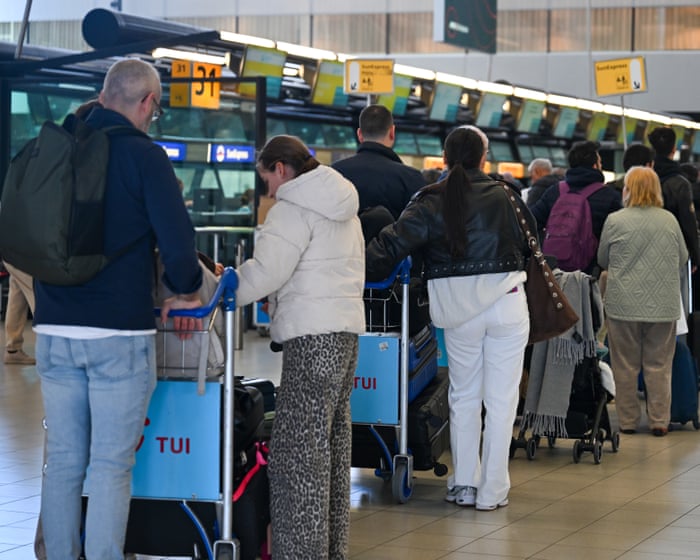
Delays from new EU border system may not ‘stabilise’ for two years, official says
Summary
The new EU entry/exit system (EES), which checks non-EU travelers’ personal and biometric data at borders, is causing long delays at airports and may take up to two years to fully settle. Some countries are still struggling to handle the system, and this has led to disruptions that could affect summer travel bookings and cause anxiety among holidaymakers.Key Facts
- The EU introduced the new border system in October, fully launching it on April 10.
- Travelers from non-EU countries must register personal details, fingerprints, and facial images the first time they enter; returning visitors have faster entry.
- Some EU states manage the system well, but others find it difficult to handle, causing delays.
- The EU allows suspension of biometric checks during busy times to avoid long queues, but this may end in September.
- France and Greece have temporarily stopped some biometric checks during the busy summer to ease travel flow.
- The system’s delays and the uncertain global situation, including the conflict in the Middle East and rising living costs, are making people delay or reduce holiday bookings.
- Increased oil and jet fuel prices raise concerns about higher airfares, though most summer flights remain scheduled.
- Travel companies report more last-minute bookings and some financial hits but expect the market to grow again when conditions improve.
Read the Full Article
This is a fact-based summary from The Actual News. Click below to read the complete story directly from the original source.