Neutral summaries of your favorite news sources — just the facts.
Your favorite news sources, one neutral feed — we distill their reporting into fact-first
summaries and always link to the original story. How it works
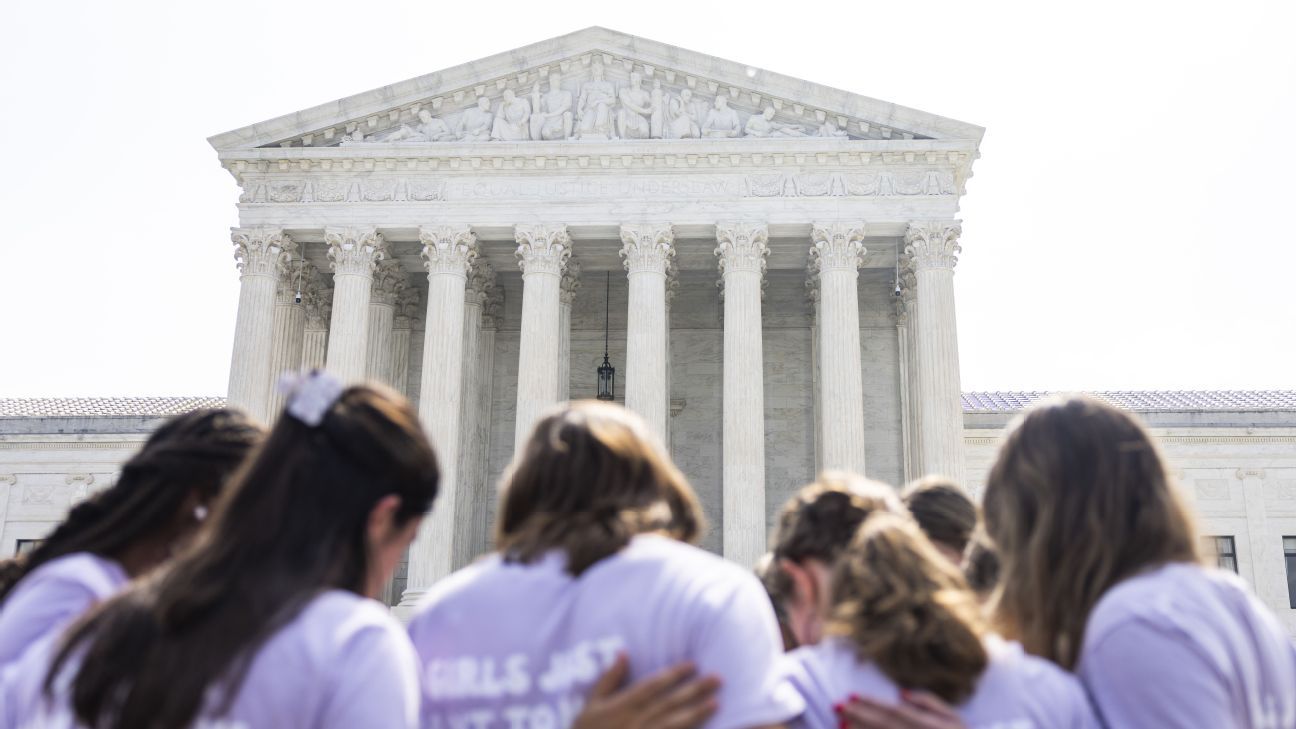
The Supreme Court ruled that states can choose to ban transgender girls and women from participating in girls' and women's sports. The ruling focuses on safety and fairness but does not require states to make such bans.
Key Facts
The Supreme Court made a decision about transgender participation in sports.
The ruling allows states to ban transgender girls and women from girls' and women’s sports teams.
The Court did not say states must make these bans, only that they can.
The decision was based on concerns about safety and fairness in sports.
The ruling affects state-level decisions rather than setting a national rule.
Read the Original
Want the full story? Tap a source to open the original
article.
The Ebola virus is still spreading in the Democratic Republic of Congo (DR Congo) and putting pressure on hospitals. However, health workers say the situation has improved because more people are visiting treatment centers.
Key Facts
Ebola continues to spread in DR Congo.
The virus is causing strain on healthcare systems.
Local healthcare workers report improvement in the situation.
More people are now going to treatment centers.
The report comes from Bunia, a city in a highly affected area called the "red zone."
The improvement is noted despite the ongoing outbreak.
Read the Original
Want the full story? Tap a source to open the original
article.
Thousands of people protested across South Africa because campaign groups set June 30 as a deadline for undocumented migrants to leave the country. The protests focused on immigration issues and the presence of people without legal papers.
Key Facts
Protests happened across South Africa with many people joining.
Campaign groups declared June 30 as the deadline for undocumented migrants to leave.
The protests were against immigration and undocumented migrants.
The deadline for migrants was unofficial, meaning it was not set by the government.
The protests brought attention to challenges around immigration in South Africa.
Demonstrators demanded action on undocumented migrants living in the country.
The situation reflects ongoing tensions about migration and legal status in South Africa.
Read the Original
Want the full story? Tap a source to open the original
article.
This episode of Tech Life discusses shadow banning, a practice where certain content is hidden or made less visible online without users being told. It explores how shadow banning might affect health education messages aimed at women and young girls. The episode also features a conversation about video game discs and an interview with the founder of the Global Gaming League.
Key Facts
Shadow banning means hiding or reducing the visibility of online content without notifying users.
The episode examines whether shadow banning impacts health education for women and young girls.
It includes a look back at physical video game discs that store games.
Shiona McCallum is the episode’s presenter.
The episode features an interview with the founder of the Global Gaming League, an organization related to gaming competitions.
The show is part of the BBC World Service and has been available for over a year.
The producer of the episode is Tom Quinn.
A photo related to the episode shows a young sportswoman resting on a yoga mat while using her smartphone.
Read the Original
Want the full story? Tap a source to open the original
article.
Ukrainian drone attacks on Russian oil refineries have caused fuel shortages in Russia. This has led to rationing, long lines at gas stations, and bans on fuel exports.
Key Facts
Ukrainian drones targeted oil refineries in Russia.
These strikes caused fuel shortages across the country.
Russia introduced fuel rationing to manage supplies.
Long queues formed at petrol stations because of limited fuel.
The Russian government banned fuel exports to keep more fuel inside the country.
The Kremlin said it would handle the situation, but the attacks continue.
Ongoing strikes may cause more fuel problems in Russia.
Read the Original
Want the full story? Tap a source to open the original
article.
The Supreme Court finished its 2025-2026 term by making important decisions on President Donald Trump's policies. The court increased the president’s power over federal agencies but limited his agenda on voting rights and other areas.
Key Facts
The Supreme Court ruled that President Trump can remove officials from independent federal agencies more easily, expanding his control.
The court struck down a Louisiana congressional map, weakening part of the Voting Rights Act that protects minority voters.
The court allowed laws banning transgender athletes from girls' and women’s sports teams in West Virginia and Idaho to stand.
The court's decisions were split, with some liberals joining conservatives on certain rulings and dissenting on others.
The ruling on removal of federal officials overturned a 91-year-old precedent that protected agency members from being fired without cause.
Several southern states began changing their voting maps following the court's decision to reduce majority-minority districts.
The court said states can base sports team eligibility on biological sex under Title IX and the Constitution’s Equal Protection Clause.
The court allowed President Trump’s administration to continue efforts to end Temporary Protected Status for many immigrants (article cut off but implied).
Read the Original
Want the full story? Tap a source to open the original
article.
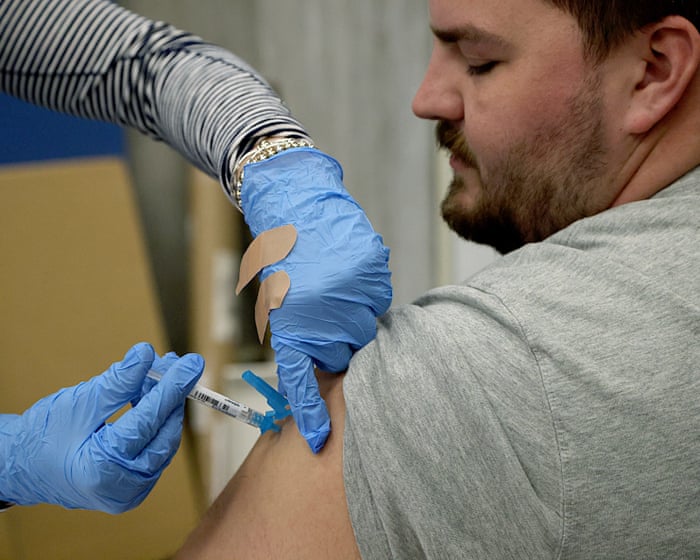
A poll by health research firm KFF found that US adults who often use AI chatbots for health advice are more likely to believe false information about vaccines. The study showed these users were more prone to myths like vaccines causing autism or changing DNA, compared to people who do not use AI for health information.
Key Facts
The poll surveyed 2,480 US adults in May and looked at AI chatbot use for health advice.
Frequent AI health advice seekers were more likely to believe vaccine myths, such as MMR vaccines causing autism.
35% of frequent AI users believed that MMR vaccines cause autism, compared to 20% of non-AI users.
29% of frequent AI users thought mRNA vaccines can change DNA, which is false.
The myth about vaccines causing autism has been debunked by many studies and the original study was retracted.
People who use social media weekly for health advice were also more likely to believe vaccine misinformation.
Higher income and college-educated individuals are more likely to use AI tools for health advice, while lower income and less educated individuals rely more on social media.
The poll did not identify which specific AI chatbots were used, and different bots may provide different accuracy levels.
Read the Original
Want the full story? Tap a source to open the original
article.
Lebanon and Israel agreed on a framework to stop fighting, aiming for peace. However, during the three months after the ceasefire, there were still Israeli airstrikes and over one million people were forced to leave their homes.
Key Facts
Lebanon and Israel reached a framework agreement to end hostilities.
The ceasefire has lasted about three months but remains fragile.
Despite the ceasefire, Israeli airstrikes continued during this period.
More than one million people were displaced, meaning they had to leave their homes.
Officials describe the agreement as a roadmap toward peace.
Some people criticize Lebanon for giving up accountability in exchange for a ceasefire.
The situation remains unstable and tense in the region.
Read the Original
Want the full story? Tap a source to open the original
article.
Dave Portnoy, founder of Barstool Sports, said in a TV interview that he wants to run for mayor against New York City’s current mayor, Zohran Mamdani. Mamdani is New York’s first Muslim and South Asian mayor and a democratic socialist, while Portnoy has criticized his politics and is known for his business work and social media presence.
Key Facts
Zohran Mamdani was elected New York City mayor in November and is the city’s first Muslim and South Asian mayor.
Mamdani is a democratic socialist and has both supporters and critics, including President Donald Trump.
Dave Portnoy said in a Fox News interview that he would like to run against Mamdani for mayor.
Portnoy is the founder of Barstool Sports and is known for his pizza reviews and recent memoir.
Portnoy criticized Mamdani’s politics, calling him a "professional actor" and accusing him of turning New York into a socialist/communist city.
Portnoy mentioned he is unsure if he could win in New York politics.
The interview clip went viral, gaining millions of views online.
It is unclear which political party Portnoy would run with or if he would run as an independent.
Read the Original
Want the full story? Tap a source to open the original
article.
Democratic Representative Ritchie Torres expressed understanding for Republican Representative Tom Kean Jr.’s struggle with depression. Torres encouraged Kean to be more open about any future long absences due to health reasons.
Key Facts
Rep. Ritchie Torres represents New York and is a Democrat.
Rep. Tom Kean Jr. represents New Jersey and is a Republican.
Kean has been dealing with depression.
Torres has personal experience living with depression.
Torres showed sympathy for Kean’s mental health challenges.
Torres asked Kean to be more transparent about any long absences.
The discussion took place on a Tuesday.
Transparency means openly sharing information, especially about health issues affecting work.
Read the Original
Want the full story? Tap a source to open the original
article.
Senator Mark Warner has proposed a new draft bill called the AI Agent Act to regulate AI agents, which are automated programs that help consumers with tasks like booking trips or shopping online. The bill aims to protect consumers' privacy, ensure AI agents act in users' best interests, and create rules to prevent misuse of personal data.
Key Facts
The AI Agent Act is a draft bill supported by Senator Mark Warner from Virginia.
The bill proposes rules for AI agents that access large online platforms and handle personal data.
It seeks to make AI agents act in a "fiduciary-like" way, meaning they must protect users’ sensitive information and interests.
The bill would establish a registry managed by the Federal Trade Commission for trusted AI agents.
AI agents must protect user privacy and secure any data they gather.
The bill would also protect businesses from unauthorized or harmful AI agents.
Senator Warner wants public and expert feedback before formally introducing the law.
AI shopping assistants might influence up to $385 billion in U.S. e-commerce sales by 2030, according to Morgan Stanley.
Read the Original
Want the full story? Tap a source to open the original
article.
The UK has launched a new defence investment plan to address rising military threats and budget problems. The plan includes big spending on nuclear submarines but struggles to meet NATO’s defence spending targets, which could concern allies and the US.
Key Facts
The UK’s military budget will still be below NATO’s recommended level by the end of the decade.
Increasing the defence budget means cutting funds from other government departments, since raising taxes or borrowing more is difficult.
The defence plan responds to new threats like Russia’s invasion of Ukraine and instability in the Middle East.
Labour’s defence secretary, Dan Jarvis, said nearly all major defence projects are delayed or over budget.
About 20% of the defence budget is spent on nuclear weapons, rising to 25% as new submarines are built.
£47 billion is being spent on replacing old nuclear submarines that carry Trident missiles.
The programme’s costs are hard for parliament to check because of security concerns.
The UK aims to spend 2.7% of its GDP on defence by 2030, below the NATO target of 3.5%.
Internal disagreements in the UK government have slowed progress on defence spending.
Read the Original
Want the full story? Tap a source to open the original
article.
Berlin plans to demolish a Nazi-era bunker that remains from Adolf Hitler's New Reich Chancellery to build new housing and offices. Some people want to preserve the bunker as a historic site and turn it into a museum to remember the end of World War Two.
Key Facts
The bunker is part of Hitler's New Reich Chancellery, mostly destroyed after World War Two.
Berlin's Housing Senator supports demolishing the bunker for new construction.
Dietmar Arnold, from the Berlin Underworlds Association, opposes demolition and wants a museum and memorial.
The bunker is not the Führerbunker where Hitler died, but another part used during the war.
About 1,200 square meters of the bunker still exist with thick walls and ceiling.
The Berlin State Monuments Council called the bunker historically important and suggested further preservation review.
The bunker served as a hospital at the end of the war.
There is debate over how to balance development needs with preserving historical sites related to Nazi Germany.
Read the Original
Want the full story? Tap a source to open the original
article.
Two powerful earthquakes hit Venezuela nearly a week ago, damaging hospitals and causing many injuries. Aid groups warn that hospitals are overwhelmed, and poor living conditions are causing the spread of infectious diseases among displaced people.
Key Facts
Venezuela experienced two strong earthquakes about a week ago.
Hospitals are damaged, understaffed, and overwhelmed by the number of injured people.
More than 1,700 deaths have been officially reported, with many bodies still being found.
Over 15,800 people have been displaced and are living in unsafe, crowded conditions without enough shelter.
Lack of clean water, sanitation, and food is causing outbreaks of diseases like measles, dengue, yellow fever, and malaria.
More than 38 hospitals were damaged by the earthquakes; some have stopped working completely.
Many medical staff have left Venezuela in recent years, making it harder to provide care.
NASA estimates almost 59,000 buildings were damaged or destroyed, affecting hundreds of thousands of people.
Read the Original
Want the full story? Tap a source to open the original
article.
Japan's Nippon Steel bought U.S. Steel just over a year ago and promised to invest $11 billion by 2028. So far, Nippon has invested less than $200 million but plans more spending. The deal faced initial opposition by the U.S. government over national security, but Nippon included special rights for the U.S. to influence decisions.
Key Facts
Nippon Steel acquired U.S. Steel and pledged an $11 billion investment by the end of 2028.
By March, Nippon had invested under $200 million and expects to reach $580 million by August.
Most of the remaining $7.8 billion investment details have not been shared yet.
The Biden administration initially blocked the deal due to national security concerns, but the deal was approved after adding a “golden share” for U.S. government control.
Nippon has kept U.S. Steel’s union workers and expects the company to make over $600 million in profits by 2026.
Steel tariffs from President Trump have helped U.S. Steel and similar companies.
Nippon Steel’s financial pressure has increased, with ratings agencies lowering their outlook due to higher debt from the purchase.
Some union members stay skeptical about Nippon’s promises until they see actual investment results.
Read the Original
Want the full story? Tap a source to open the original
article.
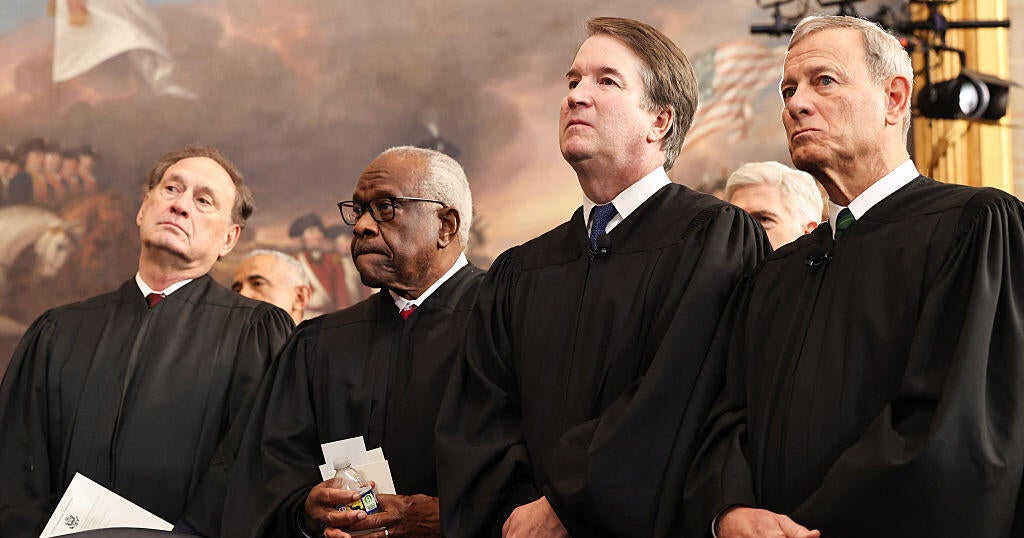
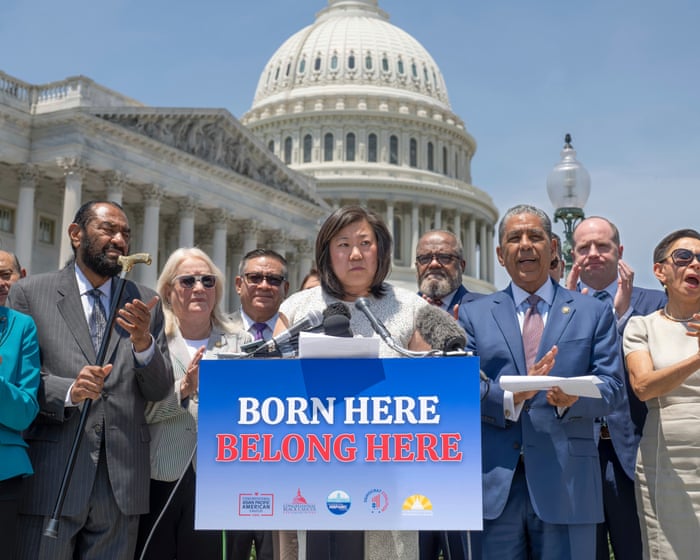
The Supreme Court ruled against President Donald Trump’s attempt to end birthright citizenship, stating that the 14th Amendment protects citizenship for anyone born in the U.S. Chief Justice John Roberts and four other justices supported this decision, while three conservative justices dissented.
Key Facts
President Trump tried to end birthright citizenship through an executive order.
The Supreme Court said this order broke the 14th Amendment of the U.S. Constitution.
Chief Justice Roberts wrote that citizenship means the right to participate in the country’s political community.
Roberts and four other justices (including three liberals and one conservative) agreed on the ruling.
Justice Ketanji Brown Jackson wrote a separate opinion criticizing Justice Clarence Thomas’s view that limited birthright citizenship.
Three conservative justices (Thomas, Samuel Alito, Neil Gorsuch) disagreed and wrote dissenting opinions.
The court’s full opinions totaled nearly 200 pages.
The ruling confirmed that being born in the U.S. grants citizenship regardless of parents’ legal status.
Read the Original
Want the full story? Tap a source to open the original
article.
Volker Türk, the United Nations High Commissioner for Human Rights, said it is important to treat migrants and refugees as human beings and not to dehumanize them. He explained that issues like migration, climate change, nationality, and international law are connected and must be addressed together by respecting human rights and international principles.
Key Facts
Volker Türk is the UN High Commissioner for Human Rights.
He views migration, climate change, nationality, and governance as interconnected global challenges.
Türk emphasizes respecting universal human rights and international law as the best approach.
He warns against dehumanizing migrants and refugees.
Political division, environmental harm, and weaker international institutions threaten global stability.
Strengthening solidarity and legality helps societies become more stable.
Türk’s message focuses on long-term principles rather than short-term political pressures.
Read the Original
Want the full story? Tap a source to open the original
article.
The UK government is considering stepping in to review a planned $110 billion takeover of Warner Bros Discovery by Paramount Skydance. The intervention is due to concerns about maintaining a variety of viewpoints in the media.
Key Facts
Lisa Nandy is the British Secretary of State for Culture, Media and Sport.
She announced on Tuesday that she may intervene in the acquisition deal.
The deal involves Paramount Skydance buying Warner Bros Discovery for $110 billion.
The government’s concern is about preserving a "plurality of views," meaning having different voices and opinions in media.
Nandy has sent letters to both companies expressing this intent to intervene.
This potential intervention is based on protecting public interest in the media landscape.
Read the Original
Want the full story? Tap a source to open the original
article.
A survey found that money issues cause stress and harm friendships, especially among Gen Z in the U.S. Many young adults report lending money to friends and not getting fully repaid, which leads to tension and sometimes ends relationships.
Key Facts
55% of Gen Z have lent money to friends and not been fully repaid, causing relationship problems.
69% of Gen Z say money repayment problems affected a relationship, higher than other age groups.
Younger adults often rely on one person paying upfront for group expenses, expecting to be repaid later.
47% of Gen Z have gone into debt to cover shared costs, while 85% sometimes borrow money for these expenses.
Nearly half of Gen Z who owe money say they owe more than $1,000.
Gen Z tends to spend more on group events or trips, with about 40% spending over $2,500 per person.
Technology makes sending money instant and easy, but this can lead to less careful thinking about loans among Gen Z.
Financial stress in friendships can lead to avoidance and emotional strain when money is not repaid on time.
Read the Original
Want the full story? Tap a source to open the original
article.
U.S. consumer confidence rose slightly in June as gas prices fell, but people still have a mostly negative view of the economy compared to past years. Despite concerns about jobs and inflation, Americans continued to spend money, helping the economy grow.
Key Facts
The consumer confidence index increased by 0.6 points to 91.2 in June.
This index is lower than last year’s 95.2 and much lower than pre-pandemic levels above 120.
Gas prices fell to about $3.85 per gallon after rising above $4.50 earlier this year.
Americans’ view of the job market worsened, with more people saying jobs are hard to get.
The number of open jobs in May stayed high at 7.6 million.
Spending by consumers helped keep the economy growing at about 2.5% annual rate in the spring.
Economists expect the government to report 100,000 new jobs added in June with unemployment steady at 4.3%.
Falling gas prices may improve how Americans feel about the economy in coming months.
Read the Original
Want the full story? Tap a source to open the original
article.