Neutral summaries of your favorite news sources — just the facts.
Your favorite news sources, one neutral feed — we distill their reporting into fact-first
summaries and always link to the original story. How it works
The United Nations warned that the Ebola outbreak in the Democratic Republic of the Congo (DRC) could cost Africa up to $3.6 billion and cause hundreds of thousands of job losses. The outbreak began in May and has infected over 1,300 people, with concerns it may spread to neighboring countries.
Key Facts
The Ebola outbreak in the DRC involves the Bundibugyo strain, which has no tested vaccine or treatment.
Since May 15, 1,307 people have been infected, and 377 have died from the virus.
The outbreak has spread to Uganda, with risk of spreading to other neighbors like South Sudan, Rwanda, and Angola.
The UN predicts that if the outbreak spreads, it could cost Africa $3.6 billion in GDP and 328,000 jobs.
The worst impact scenario includes higher fuel costs linked to the crisis in Iran.
The outbreak’s epicenter is the conflict-affected Ituri province in the DRC.
Traditional funeral practices in the DRC, which involve close contact with bodies, have helped spread the virus.
The DRC government banned public gatherings in four provinces, including the capital Kinshasa, as a response to the outbreak and ahead of a planned protest.
Read the Original
Want the full story? Tap a source to open the original
article.
The U.S. passport has dropped out of the top 10 most powerful passports worldwide, now ranking 12th according to the Global Passport Report. Its travel freedom score fell mainly because other countries expanded visa-free access while the U.S. did not, and some countries like Brazil reinstated visa restrictions for Americans.
Key Facts
The U.S. passport ranks 12th globally, tied with France, in the 2026 Global Passport Report.
The U.S. was ranked 14th in 2025 and held first place just five years ago.
Passport strength is measured by mobility (travel freedom), investment attractiveness, and quality of life.
The U.S. mobility rank dropped from 10th in 2021 to 41st in 2026.
Americans have visa-free access to 110 countries but face visa restrictions from many others.
Brazil reinstated visa requirements for Americans in 2025 after the U.S. had not reciprocated visa waiver agreements.
Other countries, like China, have expanded visa-free access, increasing their passport strength.
The top 10 most powerful passports are from Sweden, Switzerland, Finland, Germany, Denmark, the Netherlands, Ireland, the UK, Singapore, and Norway.
Read the Original
Want the full story? Tap a source to open the original
article.
Police and investigators are searching offices and homes in France and other EU countries linked to the far-right Identity and Democracy group. The European Public Prosecutor’s Office suspects this now disbanded group, which included France's National Rally party, misused about 4.3 million euros of EU funds between 2019 and 2024.
Key Facts
The Identity and Democracy (ID) group of Members of the European Parliament (MEPs) is suspected of misusing EU funds.
France's far-right National Rally (RN) party was a member of the ID group.
Investigations are ongoing in France and other EU countries, led by the European Public Prosecutor’s Office.
The suspected amount misused is around 4.3 million euros (about 5 million dollars) from 2019 to 2024.
The ID group dissolved after the 2024 elections and was replaced by the Patriots for Europe group, also led by RN leader Jordan Bardella.
Bardella said searches started early in the morning and involved communications service offices and private homes linked to the RN.
The investigation into the misuse of funds began formally in July 2025 after a parliamentary report raised concerns.
Marine Le Pen, former RN leader and three-time presidential candidate, faces a possible ban that could force her to quit the 2027 presidential race in France.
Read the Original
Want the full story? Tap a source to open the original
article.
The US Supreme Court will review cases about laws banning semi-automatic rifles, often called assault weapons, in Connecticut and near Chicago. These cases focus on whether such bans violate the Second Amendment, which protects the right to own guns.
Key Facts
The Supreme Court agreed to hear appeals challenging bans on AR-15 style rifles in Connecticut and Cook County, Illinois.
Similar assault weapon bans exist in about a dozen states, including cities like New York, Los Angeles, and Washington DC.
The national assault weapons ban expired in 2004; Democrats want to bring it back because of mass shootings.
Connecticut passed its ban after the 2012 Sandy Hook shooting where an AR-15 was used.
Gun control groups say these bans are important for public safety and legal under the Second Amendment.
Gun rights groups argue millions legally own these rifles and that banning them violates constitutional rights.
The Supreme Court recently expanded gun rights in cases about carrying guns and gun ownership rules.
The court is expected to hear arguments in the fall.
Read the Original
Want the full story? Tap a source to open the original
article.
The UK’s defence investment plan aims to increase spending by £15 billion over four years but relies heavily on cooperation with the United States. Critics argue the plan focuses more on building equipment connected to US military strategies rather than strengthening UK homeland defence or independent capabilities.
Key Facts
The defence plan proposes nearly £300 billion in spending over four years.
This amount is £15 billion higher than the previous year’s budget.
Less than £10 billion is allocated for UK homeland defence, including cyber and missile protection.
About £100 billion is planned for nuclear submarines, aircraft, and other major military equipment linked to US alliances.
Former defence secretary John Healey resigned due to funding concerns about the plan.
Some experts suggest funding defence through borrowing, like Germany, instead of cutting other public budgets.
Andy Burnham, likely to become prime minister soon, supports the plan but wants more focus on building UK’s own defence industry.
The article highlights worries about relying too much on US military power under President Donald Trump’s leadership.
Read the Original
Want the full story? Tap a source to open the original
article.
OMB Director Russell Vought testified before a House Appropriations subcommittee about the White House's plans to cut foreign aid and reduce federal grant approvals. During the hearing, House Democrats challenged Vought over these proposed spending cuts as concerns rise about a possible government shutdown.
Key Facts
Russell Vought is the Director of the White House Office of Management and Budget.
He testified before a House Appropriations subcommittee focused on federal spending.
The administration plans to reduce funding for foreign aid programs.
The White House also intends to cut back on approvals for federal grants.
House Democrats questioned Vought strongly about these budget cuts.
Lawmakers on Capitol Hill are worried a government shutdown might happen again soon due to budget disagreements.
The hearing involved tense discussions between the White House and Congress members.
Read the Original
Want the full story? Tap a source to open the original
article.
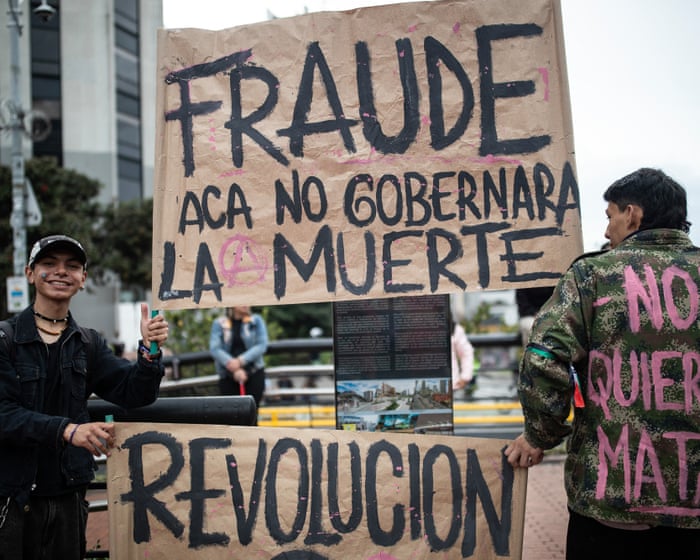
Colombia’s recent presidential election saw the far-right candidate Abelardo de la Espriella narrowly defeat leftwing candidate Iván Cepeda. Outgoing president Gustavo Petro accused President Donald Trump of interfering in the election through support for de la Espriella and warned about the growing role of disinformation and private data in influencing votes across Latin America.
Key Facts
Iván Cepeda lost the Colombian presidential election and conceded defeat.
Abelardo de la Espriella, a far-right lawyer, won by a very small margin.
President Donald Trump publicly endorsed de la Espriella during the election.
Outgoing Colombian president Gustavo Petro claimed Trump interfered in the election but offered no proof of vote fraud.
Petro’s government had focused on reducing poverty and shifting away from fossil fuels before facing economic challenges like rising electricity prices.
There are concerns about modern elections being influenced by disinformation, data misuse, and social media manipulation rather than direct vote tampering.
Similar patterns of alleged interference have been reported in Latin American elections in Honduras, Chile, and Argentina.
Experts warn democracies risk damage when political tools like social media and data are controlled by private and unregulated actors.
Read the Original
Want the full story? Tap a source to open the original
article.
The Supreme Court will hear cases next term about local bans on AR-15 rifles in Cook County, Illinois, and Connecticut. The justices will review if these bans are allowed, following recent decisions that expanded gun rights.
Key Facts
The court previously declined to review Maryland’s AR-15 ban but decided to hear new cases this term.
The cases focus on restrictions in Cook County, Illinois, and the state of Connecticut.
About 30 million AR- and AK-style rifles are owned in the U.S.
Justice Brett Kavanaugh has shown support for reviewing bans on semiautomatic rifles like the AR-15.
Gun rights supporters say AR-15s are commonly used for self-defense, citing a recent Supreme Court ruling on gun rights (New York State Rifle & Pistol Association v. Bruen).
Advocates argue the AR-15 is protected by the Second Amendment, linking it to historic rifles used by early American settlers and militiamen.
Cook County officials argue assault rifles are mainly used by criminals and terrorists, not law-abiding citizens.
The Supreme Court’s decision will impact how local governments can regulate firearms like the AR-15.
Read the Original
Want the full story? Tap a source to open the original
article.
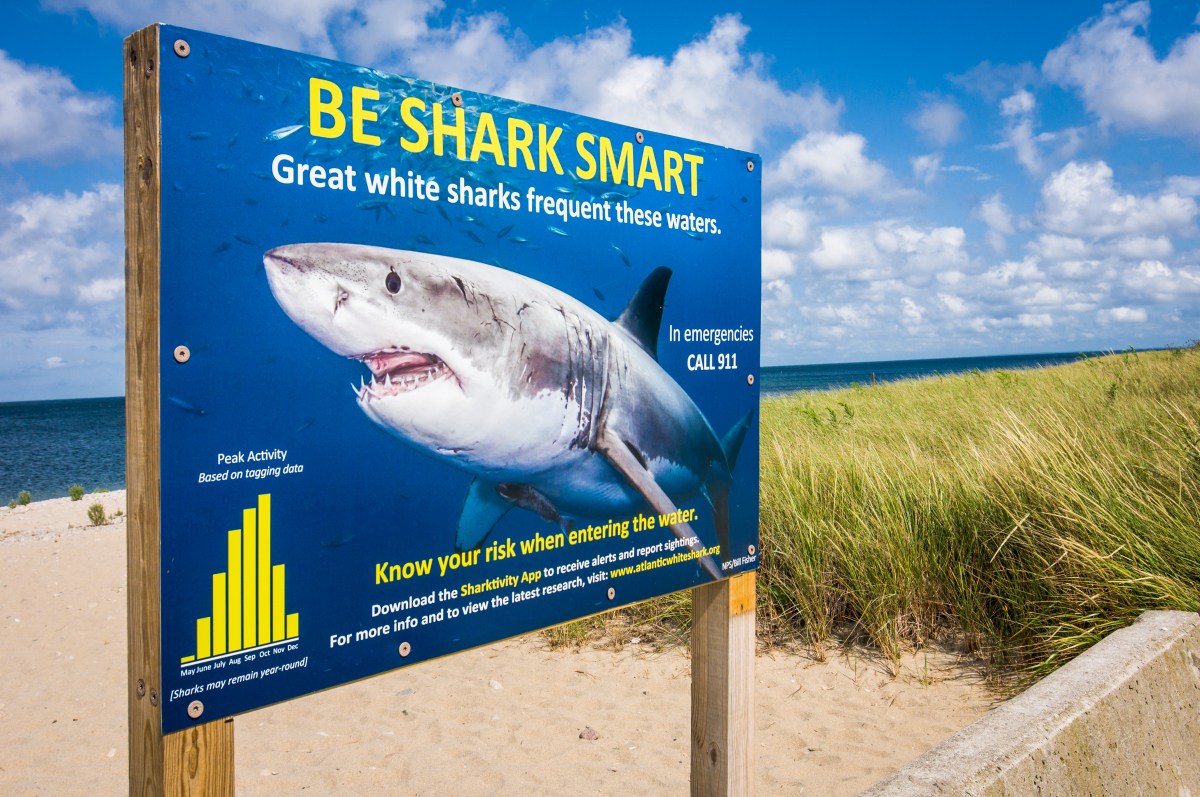
Shark sightings and activity are increasing along the U.S. East Coast due to the annual summer migration from June to September. Officials say this is a normal pattern showing a healthy ocean environment, and there is no proof sharks are attacking people on purpose.
Key Facts
New York advises beachgoers to be “Shark Smart” during shark migration season from June to September.
The New York Department of Environmental Conservation warns that shark attacks on humans are rare and offers safety tips for swimmers and surfers.
Long Island State Parks will use 46 drones and 67 trained operators to watch for sharks during peak summer.
Over 13 shark species migrate through New York waters yearly, which shows a healthy marine ecosystem.
New Jersey monitors shark activity using tagged sharks tracked by the group OCEARCH.
Maine officials raised warning flags at Cedar Beach after a Great White shark was spotted offshore.
Researchers on Cape Cod are tagging juvenile white sharks and studying dusky sharks to learn about their behavior.
Florida has the most recorded shark bites in the U.S., but recent bite numbers are decreasing.
Read the Original
Want the full story? Tap a source to open the original
article.
Russian President Vladimir Putin said that no agreement was made with President Trump to end the war in Ukraine. This contradicts earlier claims from Kremlin officials who said the two leaders had reached a deal during a meeting in Alaska.
Key Facts
Putin confirmed that no agreement was made with President Trump to end the war in Ukraine.
The war has lasted for more than four years.
Kremlin officials previously said a deal was made in August during a summit in Anchorage, Alaska.
Putin denied that any such agreement was reached at the meeting.
The announcement clarifies confusion about talks between Russia and the United States on the conflict.
The Alaska meeting took place during President Trump’s term.
Read the Original
Want the full story? Tap a source to open the original
article.
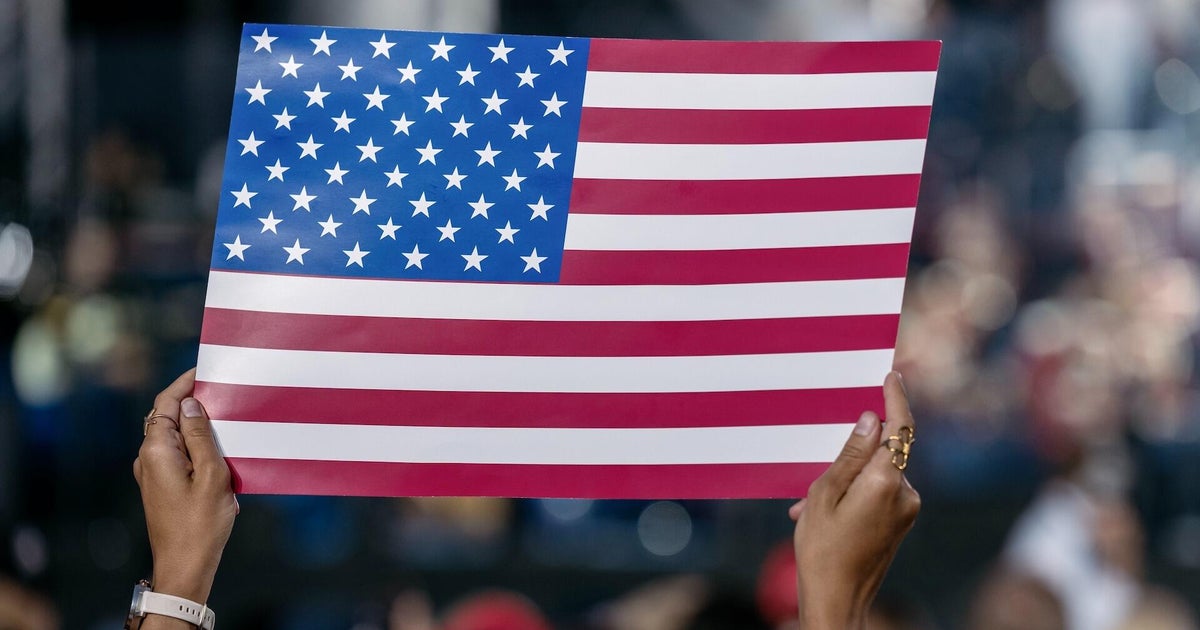
A new CBS News poll shows that fewer Americans say they feel very patriotic. The poll also looks at how people feel about democracy and the economy as the country approaches its 250th birthday.
Key Facts
The number of Americans who feel very patriotic has decreased.
The poll was conducted by CBS News.
Anthony Salvanto, CBS News' election and survey director, discussed the results.
The poll examines views on democracy in the U.S.
It also explores American opinions about economic success.
The poll was released ahead of the nation’s 250th birthday.
The information was shared through a CBS News report and app.
Read the Original
Want the full story? Tap a source to open the original
article.
The UK government has announced a defence investment plan that adds £15 billion to its defence budget, reaching £270 billion over four years. The plan focuses on new nuclear weapons, combat aircraft, and more uncrewed military technology, but some say the funding is still less than what is needed.
Key Facts
The UK will increase defence spending from £54 billion a year in 2024 to £80 billion by 2029, a 27% rise.
Total defence spending over the next four years will be £270 billion.
This spending equals about 2.7% of the UK's economic output (GDP) by 2030, below NATO's 3% target.
£63 billion is set aside for the UK’s nuclear weapons and related systems.
£11 billion will replace weapons sent to Ukraine, such as anti-tank and artillery systems.
£8 billion will go to a new fighter jet project with Italy and Japan, including drones to work alongside pilots.
£790 million will improve air and missile defences with new radars and counter-drone systems.
The plan shifts military focus from expensive large weapons to smaller, cheaper uncrewed systems.
Read the Original
Want the full story? Tap a source to open the original
article.
Colorado’s Democratic primary elections will show if voters prefer younger, more progressive candidates or long-time officeholders. The contests include battles between established politicians and younger challengers identified as progressive or democratic socialists.
Key Facts
Colorado Democrats hold primary elections on Tuesday.
In the 1st Congressional District, incumbent Rep. Diana DeGette faces a 29-year-old democratic socialist challenger, Melat Kiros.
Sen. John Hickenlooper is challenged by state Sen. Julie Gonzales, who calls herself an "insurgent progressive."
The race in Colorado’s swing district is important for control of the U.S. House.
These contests reflect a wider debate in the Democratic Party about experience versus new progressive leadership.
President Donald Trump is currently serving his second term in office.
Read the Original
Want the full story? Tap a source to open the original
article.
A new study by the Mortgage Bankers Association warns that the U.S. could have too many homes in less than 10 years if construction continues at a high rate while demand slows. Factors like an aging population, lower birth rates, and less immigration may reduce the need for new homes, possibly causing prices to fall.
Key Facts
The U.S. currently faces a housing shortage estimated between 1.5 and 10 million homes, depending on the source.
Some regions, such as the Northeast and Midwest, still experience housing shortages, while others, like the South and West, have plenty of homes available.
States like Florida and Texas built many new homes following population increases during the pandemic.
Vacancy rates have risen, rent growth has slowed, and the number of homes for sale has increased, especially in Sun Belt markets.
Population changes—including aging Baby Boomers, lower fertility rates, smaller young adult groups, and reduced immigration—are expected to slow household formation.
If homebuilding stays high, the supply of homes could grow faster than demand by 2035.
More homes for sale could lower prices, making it easier for buyers to afford homes.
Homeowners might see the value of their homes drop, reducing the equity they gained in recent years.
Read the Original
Want the full story? Tap a source to open the original
article.
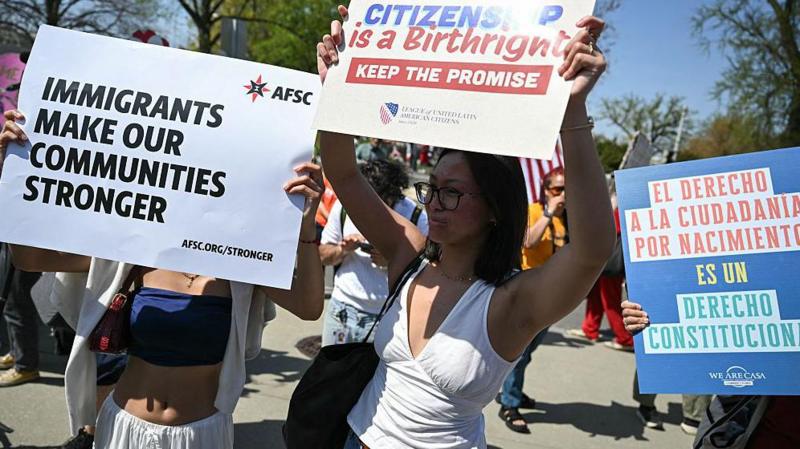
The US Supreme Court ruled that babies born in the United States have a constitutional right to citizenship, including those born to parents who are in the country illegally or temporarily. The court’s 6-3 decision rejected President Donald Trump’s effort to end birthright citizenship through an executive order.
Key Facts
The Supreme Court ruled 6-3 that the 14th Amendment grants citizenship to anyone born in the US.
Chief Justice John Roberts wrote that citizenship is "the right to have rights" and applies to all born on American soil.
President Trump wanted to end birthright citizenship for children of undocumented immigrants and some temporary visitors.
The 14th Amendment has guaranteed birthright citizenship since 1868.
Justices Clarence Thomas, Neil Gorsuch, and Samuel Alito dissented, arguing the decision was a mistake.
President Trump said the ruling was "too bad" and plans to continue trying to end birthright citizenship through Congress.
Civil rights groups welcomed the ruling as a confirmation of long-standing legal rights.
White House Chief of Staff Stephen Miller criticized the decision, saying it threatens US national identity.
Read the Original
Want the full story? Tap a source to open the original
article.
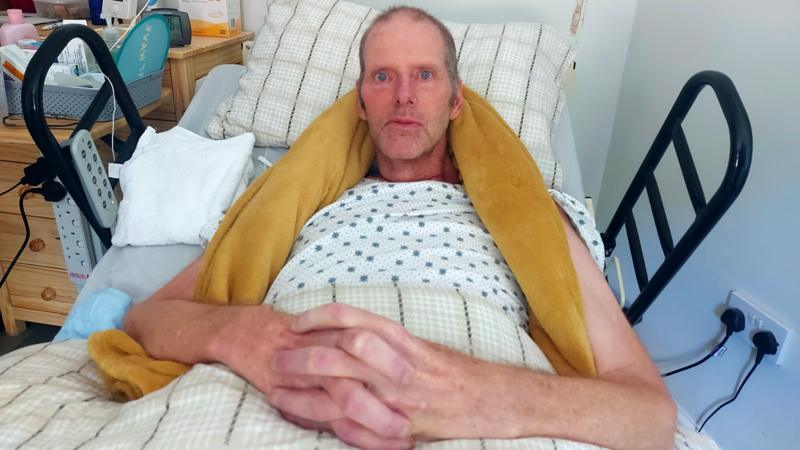
Tim Hull, a 56-year-old man with a rare neurological condition, died after spending seven months confined to a bed that was too small for him while waiting for necessary NHS equipment like a hoist. An inquest found he died from infections caused by being bedbound, and highlighted issues with gaps in care for complex patients.
Key Facts
Tim Hull was 6ft 10in tall and lived in Worcester.
He had Hereditary Spastic Paraplegia, causing muscle weakness and spasms.
Hull needed a larger bed and a ceiling hoist to help him move but faced long waits for this equipment.
He stopped taking life-saving kidney transplant medication due to distress over poor care and pain.
Hull spent two years in a standard hospital bed that caused severe discomfort.
NHS staff took action only after the BBC reported his case, arranging a hoist and bed extension.
Hull died from bronchopneumonia and a urinary tract infection linked to being bedbound.
The inquest said complex patients risk falling through gaps between different health and social care services.
Read the Original
Want the full story? Tap a source to open the original
article.
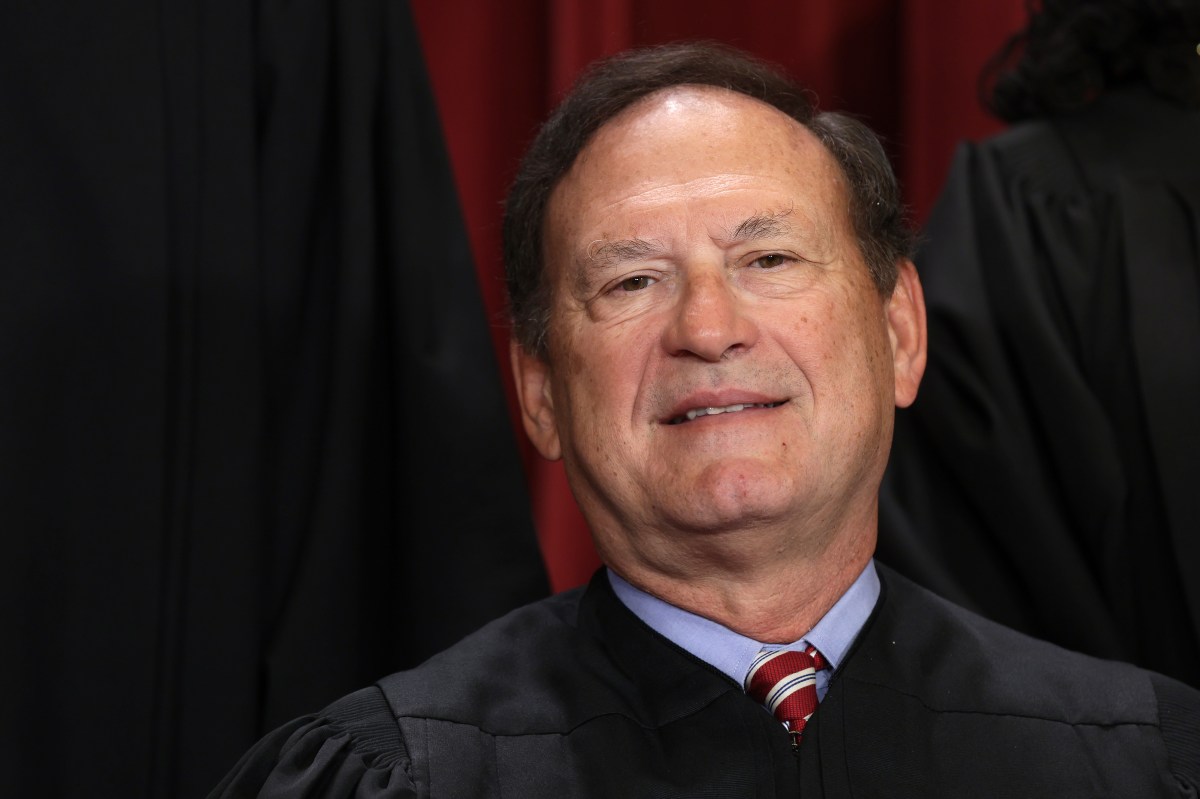
Supreme Court Justice Samuel Alito disagreed with the court's decision to keep birthright citizenship for children born in the U.S. to undocumented migrants. While he argues that citizenship should be limited, he also said these children should not be blamed for their parents and many should be allowed to stay in the country.
Key Facts
The Supreme Court recently upheld birthright citizenship under the Fourteenth Amendment for children born in the U.S. to undocumented or temporarily present immigrants.
Justice Samuel Alito, along with Justices Clarence Thomas and Neil Gorsuch, dissented from this decision.
Alito believes the Citizenship Clause is interpreted too broadly and should apply only to children who owe allegiance solely to the U.S. at birth.
He expressed concern about "birth tourism," where women come to the U.S. to give birth to secure citizenship for their children.
Alito acknowledged many children have been born in the U.S. to undocumented parents and said they should not be punished for their parents’ immigration status.
He blamed decades of immigration policies and lax enforcement for encouraging unlawful migration and increasing the population of U.S.-born children with undocumented parents.
Alito said some of these children have a strong moral claim to stay in the U.S., as it is the only home they have known.
A law professor disagreed with Alito’s reading of the Fourteenth Amendment, saying his view might undermine protections against returning to a discriminatory caste system.
Read the Original
Want the full story? Tap a source to open the original
article.
The US Supreme Court has upheld laws in Idaho and West Virginia that prevent transgender women and girls from joining female sports teams at public schools. The court ruled that these laws do not break federal rules against discrimination or the Constitution’s promise of equal protection.
Key Facts
The court upheld state laws that classify sports teams based on “biological sex,” banning transgender females from female teams.
The ruling was unanimous (9-0) that these laws do not violate Title IX, a federal law banning sex discrimination in education.
The court was split 6-3 on whether the laws violate the 14th Amendment’s equal protection clause.
Justice Brett Kavanaugh wrote the majority opinion supporting the states’ right to restrict female sports to biological females.
Over two dozen Republican-led states have similar bans that may now be supported by this decision.
This ruling follows other court decisions limiting transgender rights under the current conservative Supreme Court.
President Donald Trump praised the ruling and has issued several orders limiting transgender rights since returning to office in 2025.
The decision affects sports teams at all levels in public schools and universities in the affected states.
Read the Original
Want the full story? Tap a source to open the original
article.
The Supreme Court ruled that the 14th Amendment guarantees birthright citizenship, meaning that anyone born in the United States is automatically a citizen. The Court rejected President Donald Trump’s executive order that tried to block this rule.
Key Facts
The ruling focused on the 14th Amendment, which grants citizenship to people born in the U.S.
The principle is known as jus soli, or “right of the soil.”
The Court’s decision was made by a majority of justices.
Chief Justice John Roberts and Justice Amy Coney Barrett joined the three liberal justices in the majority.
The ruling struck down an executive order from January by President Donald Trump.
The executive order tried to prevent people born in the U.S. from receiving automatic citizenship.
The decision supports the longstanding interpretation of the 14th Amendment.
This ruling affects immigration and citizenship policies.
Read the Original
Want the full story? Tap a source to open the original
article.
President Donald Trump said the Supreme Court ruled against his plan to limit birthright citizenship. He asked Congress to pass a law to change the policy instead.
Key Facts
The Supreme Court rejected President Trump’s effort to restrict birthright citizenship.
Birthright citizenship means a person born in the U.S. automatically becomes a citizen.
President Trump called the court’s decision “too bad” for the country.
He encouraged Congress to create a law to end or change birthright citizenship.
President Trump said he would support such legislation as president.
The issue concerns children born in the U.S. to parents who are not citizens.
Changing birthright citizenship would require a new law passed by Congress.
Read the Original
Want the full story? Tap a source to open the original
article.