Neutral summaries of your favorite news sources — just the facts.
Your favorite news sources, one neutral feed — we distill their reporting into fact-first
summaries and always link to the original story. How it works
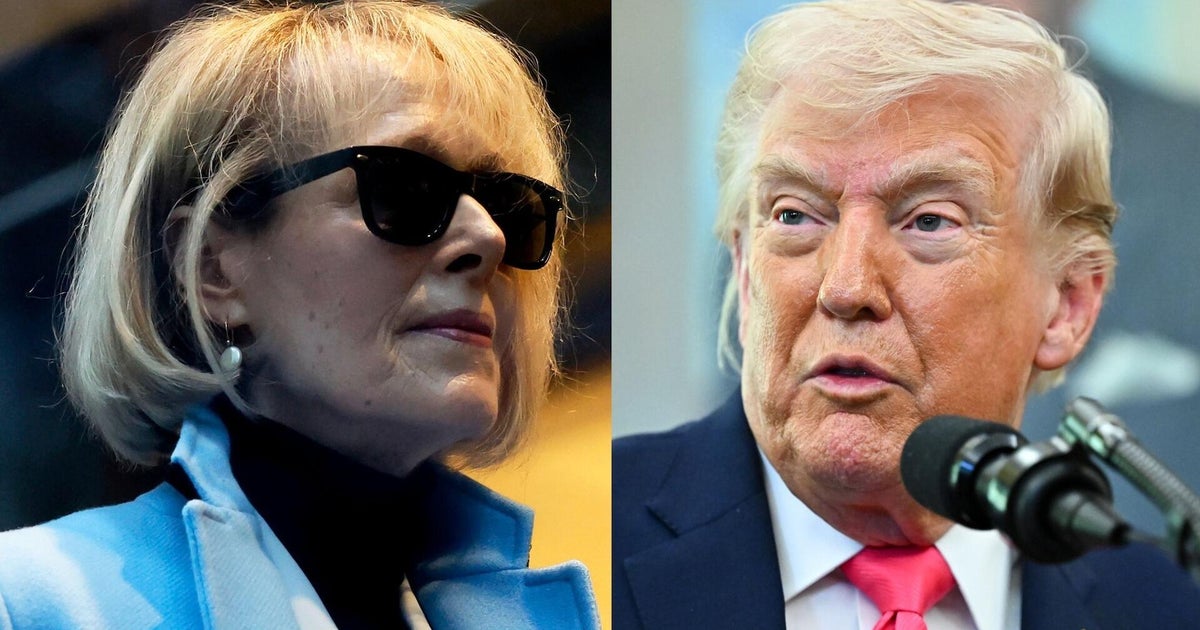
The Supreme Court has refused to hear President Donald Trump's appeal in the sexual abuse case brought by E. Jean Carroll. This means the lower court's decision will stand, and the case will proceed.
Key Facts
The Supreme Court rejected President Trump's appeal on Monday.
The case involves allegations of sexual abuse made by E. Jean Carroll against President Trump.
The refusal to hear the appeal means the case will continue in lower courts.
E. Jean Carroll is the accuser in this legal matter.
The decision was reported by CBS News and legal experts.
President Trump is currently serving his second term as U.S. President.
Read the Original
Want the full story? Tap a source to open the original
article.
The Arab League and many Arab governments have taken limited action in response to ongoing violence and killings in Gaza and surrounding areas. This is due to a mix of historical foreign influence, dependence on powerful countries like the US, and a disconnect between Arab leaders and their people.
Key Facts
The violence in Gaza has lasted almost three years and spread to the West Bank, East Jerusalem, Syria, and Lebanon.
The Arab League has mostly issued statements and sent small aid instead of strong actions.
Many Arab states were formed after World War I under foreign influence and still rely on other powers for money, military help, and technology.
This reliance limits their ability to act independently against Israel or the US.
Punishing actions like sanctions or military attacks from powerful countries deter Arab governments from confronting Israel.
Arab states face ongoing internal problems like poverty, unemployment, and ethnic tensions, weakening their stability.
There is a gap between Arab governments and citizens; citizens depend on the state for basic needs while leaders control policies.
Foreign powers such as the US, UK, France, Russia, Iran, Israel, and Turkey have strong influence in the region’s politics and security.
Read the Original
Want the full story? Tap a source to open the original
article.
Five adults were shot and killed at a youth welfare facility in Stade, Germany. Police arrested two people, including the suspected shooter, but the reason for the attack is still unknown.
Key Facts
The shooting happened in Stade, a town near Hamburg in northern Germany.
Five adults died in the shooting at the youth welfare facility.
Two people were arrested, one of whom is suspected to be the shooter.
Police are unsure how many others might have been hurt.
The area was secured by police, and experts searched the scene.
Police told local residents to stay away at first but later said there was no ongoing danger.
A witness saw a man and woman try to escape by car but police stopped them.
Mass shootings are uncommon in Germany but have happened in recent years, including attacks in Hamburg (2023) and Munich (2016).
Read the Original
Want the full story? Tap a source to open the original
article.
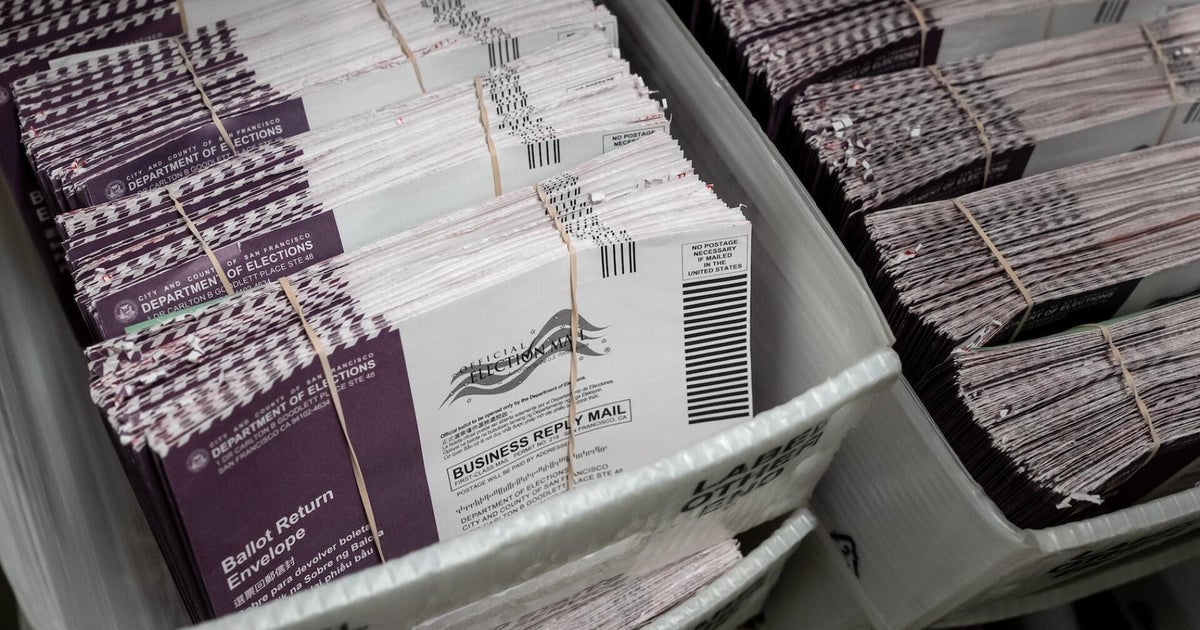
The U.S. Supreme Court decided that mail-in ballots which voters submit by Election Day can still be counted even if they arrive after Election Day. This ruling affects how states count votes received late but sent on time.
Key Facts
The Supreme Court made the decision on a Monday.
Mail-in ballots must be cast by Election Day to be counted.
Ballots arriving after Election Day can still be included in the vote count.
This ruling applies to all states involved in this type of voting.
The decision impacts elections by clarifying how late ballots are handled.
CBS News reporters Nancy Cordes and Rebecca Roiphe provided coverage of the ruling.
The ruling helps define election rules about mail-in voting timelines.
The court’s decision supports counting votes that were mailed on time but delayed in delivery.
Read the Original
Want the full story? Tap a source to open the original
article.
The Supreme Court decided that states can count mail-in ballots that arrive after Election Day if they were mailed by that day. This ruling ended a legal challenge led by President Donald Trump against rules in many states that allow late-arriving ballots to be counted.
Key Facts
The Supreme Court made the decision on Monday.
The ruling supports laws in more than half the states and Washington, D.C.
These laws allow mail ballots to be counted if they arrive after Election Day but have a postmark from on or before that day.
The challenge was led by President Donald Trump and other Republicans.
Many states have different deadlines for military and overseas voters, often more lenient.
This decision prevents changes to election rules just before the 2026 midterm elections.
The ruling affects how states handle mailed ballots in future elections.
Read the Original
Want the full story? Tap a source to open the original
article.
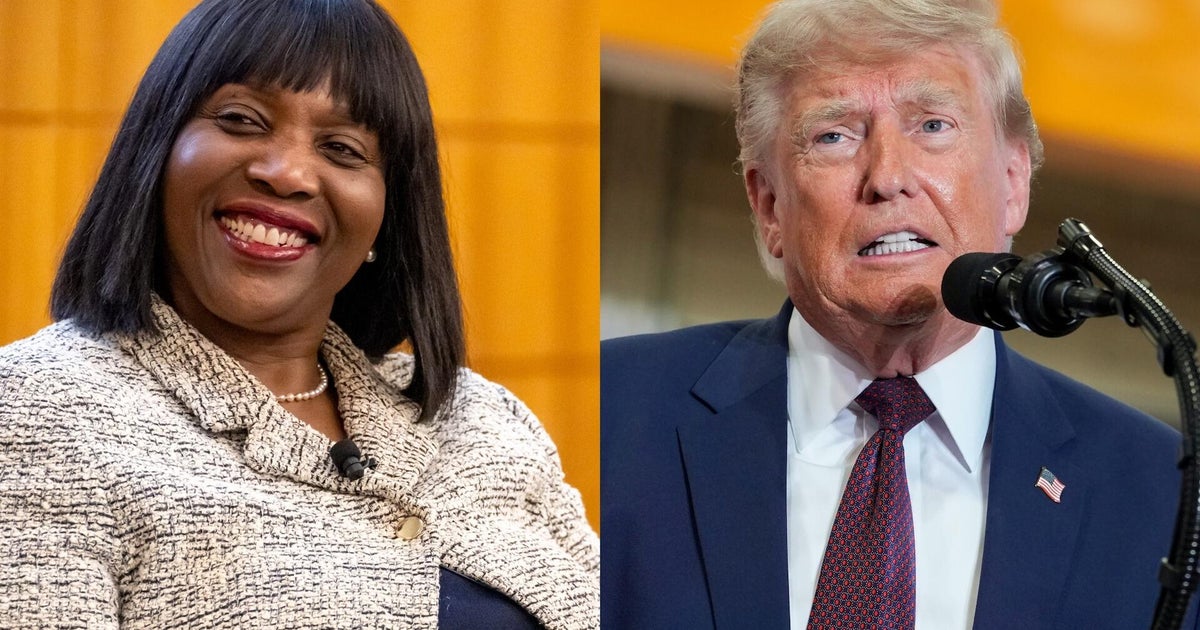
The U.S. Supreme Court made a decision that did not support President Donald Trump's effort to remove Lisa Cook from the Federal Reserve Board of Governors. This ruling happened while legal cases about President Trump’s attempt to fire her are still ongoing. The court released this decision near the end of its current term.
Key Facts
The Supreme Court ruled against President Trump’s bid to fire Lisa Cook.
Lisa Cook is a member of the Federal Reserve Board of Governors.
Legal cases about President Trump’s attempt to remove her are still in progress.
The ruling was part of the Supreme Court’s final decisions for the current term.
Tony Dokoupil anchored a special report about this on CBS News.
The Federal Reserve Board helps manage the country’s money and economy.
The Supreme Court’s decision does not end the legal process around this issue.
Read the Original
Want the full story? Tap a source to open the original
article.
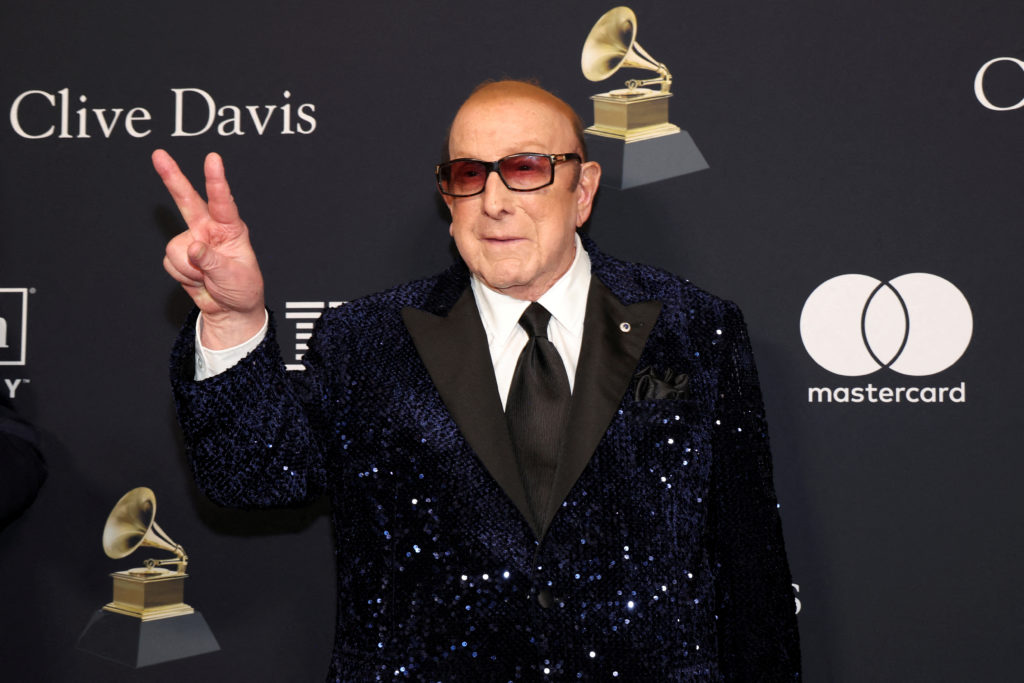
Music industry legend Clive Davis died at age 94. Many famous musicians and notable figures gathered to honor him at a funeral in New York, which was livestreamed for the public.
Key Facts
Clive Davis died on June 22 at his Manhattan apartment at age 94.
The funeral took place at Central Synagogue in Manhattan and was livestreamed.
Kenny G opened the service with a saxophone solo.
Stars like Bruce Springsteen, Dionne Warwick, Barry Manilow, and Stevie Wonder attended.
Davis helped launch or boost careers of artists such as Whitney Houston, Alicia Keys, Bruce Springsteen, and Kenny G.
He hosted an annual pre-Grammy Awards gala for over 50 years.
Former President Barack Obama praised Davis at this year’s gala.
Davis is survived by four children, eight grandchildren, and two great-grandchildren.
Read the Original
Want the full story? Tap a source to open the original
article.
White House press secretary Karoline Leavitt said the upcoming U.S. midterm elections present a choice between "communism and common sense." She expressed concern about the Democratic Party moving too far left after several progressive candidates won their primaries.
Key Facts
Karoline Leavitt is the White House press secretary.
She spoke about the upcoming U.S. midterm elections.
Leavitt described the election as a choice between "communism and common sense."
This statement followed recent progressive wins in Democratic primary elections.
She said President Donald Trump and many Americans worry about the Democratic Party shifting too far left.
The comments aim to highlight differences between political views ahead of the midterms.
Read the Original
Want the full story? Tap a source to open the original
article.
Vice President Vance disagreed loudly with President Trump about going to war with Iran. This disagreement was different from other advisers’ views and caused tension between Vance and President Trump.
Key Facts
Vice President Vance opposed the idea of a war with Iran.
President Trump wanted to go to war with Iran.
Vance was the only adviser to openly disagree with President Trump on this issue.
Vance’s opposition made President Trump upset.
The disagreement hurt the working relationship between Vance and President Trump.
This information was reported by Maggie Haberman, a White House correspondent for The New York Times.
Read the Original
Want the full story? Tap a source to open the original
article.
Jared Kushner, who is President Donald Trump’s son-in-law, and Steve Witkoff, a special envoy, are traveling to Qatar for talks with Iran. These meetings are happening because Iran requested a discussion this week.
Key Facts
Jared Kushner is President Trump’s son-in-law.
Steve Witkoff is acting as a special envoy in these talks.
Both are traveling to Doha, the capital of Qatar.
The purpose is to hold high-level meetings with Iran.
Iran requested the meetings this week.
The talks aim to work toward peace with Iran.
Read the Original
Want the full story? Tap a source to open the original
article.
Rescue teams in Venezuela are still looking for survivors five days after two earthquakes hit the country. More than 1,400 people have died, and thousands remain missing as families search for loved ones amid the destruction.
Key Facts
Two strong earthquakes struck Venezuela, causing many deaths and damage.
Over 1,400 people have died from the earthquakes.
Tens of thousands are still missing after the disaster.
Families gather at hospitals in Caracas hoping to find missing relatives.
A U.S. rescue team helped save a mother and her 9-month-old baby from the rubble.
More than 300 American rescuers are helping on the ground in Venezuela.
The U.S. Secretary of State offered full assistance to Venezuela after speaking with its Acting President.
The worst-hit area is La Guaira, a coastal city with severe damage and a humanitarian crisis.
Read the Original
Want the full story? Tap a source to open the original
article.
The article discusses concerns about Todd Blanche's actions or conduct as an attorney general. It suggests that his behavior raises serious questions about upholding the law and justice.
Key Facts
Todd Blanche holds the position of attorney general.
The article argues that his behavior is not appropriate for someone in his role.
There is concern that his actions threaten the rule of law, which means following laws fairly and equally.
The piece describes this situation as an urgent problem for the legal system.
No specific details about Blanche’s actions are given in the excerpt provided.
The role of attorney general involves enforcing laws and protecting justice.
Read the Original
Want the full story? Tap a source to open the original
article.
President Donald Trump announced that Iran has requested a meeting to be held in Qatar on Tuesday, but Iran denied that any talks are scheduled. Meanwhile, tensions continue in the Strait of Hormuz, with international efforts underway to ease the situation and ensure safe passage.
Key Facts
President Trump said Iran asked for a meeting in Doha, Qatar, on Tuesday.
Iran’s state news agency said no technical talks are planned this week.
White House confirmed that envoys Steve Witkoff and Jared Kushner will attend meetings in Doha.
U.S. Secretary of State Marco Rubio and Special Envoy Steve Witkoff will brief Congress on the Iran deal.
France and Oman plan to work with partners to clear mines from the Strait of Hormuz to secure shipping routes.
Germany pledged €250 million to help regions in Africa and Asia affected by the Strait of Hormuz blockade.
Iraq’s government set a September 30 deadline for pro-Iran armed groups to disarm.
Israel and Lebanon reached a U.S.-mediated framework for peace involving troop presence and Hezbollah disarmament.
Read the Original
Want the full story? Tap a source to open the original
article.
The US Supreme Court ruled 6-3 that President Donald Trump can fire leaders of independent agencies without cause, overturning a legal rule that lasted nearly 90 years. This decision involved firing a Federal Trade Commission member and changes how much control presidents have over such agencies.
Key Facts
The Supreme Court case was Trump v. Slaughter.
The decision allows President Trump to fire independent agency leaders freely.
This ruling reverses a 1935 precedent called Humphrey’s Executor v. United States.
The case started when President Trump fired Rebecca Slaughter, an FTC commissioner, by email in March 2025.
Slaughter sued, claiming she was fired without good reason, and a lower court ruled she must be reinstated.
Three justices (Sotomayor, Kagan, Jackson) disagreed with the ruling and wrote dissenting opinions.
The FTC protects consumers and enforces rules against unfair business practices; it has bipartisan commissioners.
Experts warn this ruling may reduce the independence of federal agencies and increase political influence.
Read the Original
Want the full story? Tap a source to open the original
article.
The U.S. Supreme Court stopped President Donald Trump's effort to remove Federal Reserve Governor Lisa Cook. The court ruled that the administration must give her a fair chance to respond before firing her.
Key Facts
The Supreme Court voted 5-4 against President Trump's attempt to fire Lisa Cook.
The justices said the administration did not give Cook enough "due process," meaning a fair chance to defend herself.
The case is sent back to lower courts for further review.
The administration must prove claims that Cook committed mortgage fraud if it wants to fire her.
Lisa Cook denies the mortgage fraud accusations.
Supporters of the Federal Reserve say the accusations might be an excuse for the president to control the bank more.
The Federal Reserve is the U.S. central bank that sets monetary policy.
Read the Original
Want the full story? Tap a source to open the original
article.
The Supreme Court ruled that President Trump cannot fire Federal Reserve governor Lisa Cook. This decision protects the Federal Reserve from political interference and confirms the special rules about firing Fed governors.
Key Facts
The Supreme Court decided President Trump could not remove Lisa Cook from her position as Fed governor.
Lisa Cook was appointed by President Biden in 2022 to a 14-year term on the Federal Reserve Board.
The Federal Reserve Act allows the president to fire a governor only "for cause," but this power is rarely used.
President Trump claimed Cook committed fraud by mislabeling mortgage applications but courts have not confirmed this claim.
Chief Justice John Roberts emphasized the importance of keeping the Federal Reserve independent and stable.
This ruling limits President Trump's influence over the Federal Reserve, a key U.S. financial institution.
Fed governors have long terms to prevent political pressure from affecting their decisions.
There is an ongoing tension regarding investigations and political actions involving Fed officials and President Trump's administration.
Read the Original
Want the full story? Tap a source to open the original
article.
The Supreme Court stopped President Trump from firing Federal Reserve board member Lisa Cook. The court’s 5-4 decision lets her keep her job while her legal case continues.
Key Facts
The Supreme Court voted 5-4 to block the firing of Lisa Cook.
Lisa Cook is a member of the Federal Reserve board.
President Trump tried to fire Cook last year.
This was the first time in 112 years a president tried to remove a Federal Reserve board member.
The court allowed Cook to stay on the job during her legal challenge.
The firing was connected to accusations related to mortgage issues.
The legal case about this firing is still ongoing.
Read the Original
Want the full story? Tap a source to open the original
article.
President Donald Trump announced that the U.S. and Iran will hold talks in Doha, Qatar, on Tuesday. This comes after military strikes occurred near the Strait of Hormuz over the weekend. Iran has not yet confirmed these planned talks.
Key Facts
President Trump said on social media that the U.S. and Iran will meet in Doha, Qatar, on Tuesday.
The announcement followed recent strikes near the Strait of Hormuz, a key shipping route.
Iran has not officially confirmed the upcoming talks.
The situation is part of ongoing tensions between the U.S. and Iran.
Doha, the capital of Qatar, is often used as a neutral place for international talks.
Read the Original
Want the full story? Tap a source to open the original
article.
The U.S. Supreme Court ruled that laws protecting members of the Federal Trade Commission (FTC) from being fired by the president without cause are unconstitutional. This decision overturns a 90-year-old precedent and increases President Trump's power to remove officials from independent agencies.
Key Facts
The Supreme Court struck down rules that limited the president’s ability to remove FTC members.
The previous rule, set in 1935, only allowed the president to fire members "for cause," like wrongdoing or neglect.
The new ruling removes that protection, letting President Trump fire FTC members more easily.
The court's decision overturns a nearly century-old case called Humphrey's Executor v. United States.
Many other independent agencies have similar protections, so this decision may affect them too.
The ruling was made by the court’s conservative majority.
This change gives the president more influence over independent government agencies.
The case is seen as a step in weakening long-standing laws set during the New Deal era.
Read the Original
Want the full story? Tap a source to open the original
article.
The US Supreme Court decided that police need to follow privacy rules under the Fourth Amendment when using geofence warrants, which collect location data from many smartphones near a crime scene. This ruling limits broad searches that gather information from people who may not be connected to any crime.
Key Facts
Geofence warrants allow police to get location data from all phones within a virtual area and a specific time frame.
The use of these warrants is common among police and the FBI to find suspects or witnesses.
Critics say geofence warrants can capture data from innocent people and invade privacy in places like homes, churches, or clinics.
The case involved Okello Chatrie, who was tracked by geofence warrants after robbing a bank in Richmond, Virginia.
Chatrie’s lawyers argued that geofence warrants violate the Fourth Amendment’s protection against unreasonable searches.
The government says people have less privacy expectation in public and when they let companies like Google collect location data.
Google admits these warrants can collect data on many innocent people and cover private and sensitive places.
This is the first Supreme Court ruling on the Fourth Amendment and cell phone location data since a 2018 decision requiring warrants for such tracking.
Read the Original
Want the full story? Tap a source to open the original
article.