Neutral summaries of your favorite news sources — just the facts.
Your favorite news sources, one neutral feed — we distill their reporting into fact-first
summaries and always link to the original story. How it works
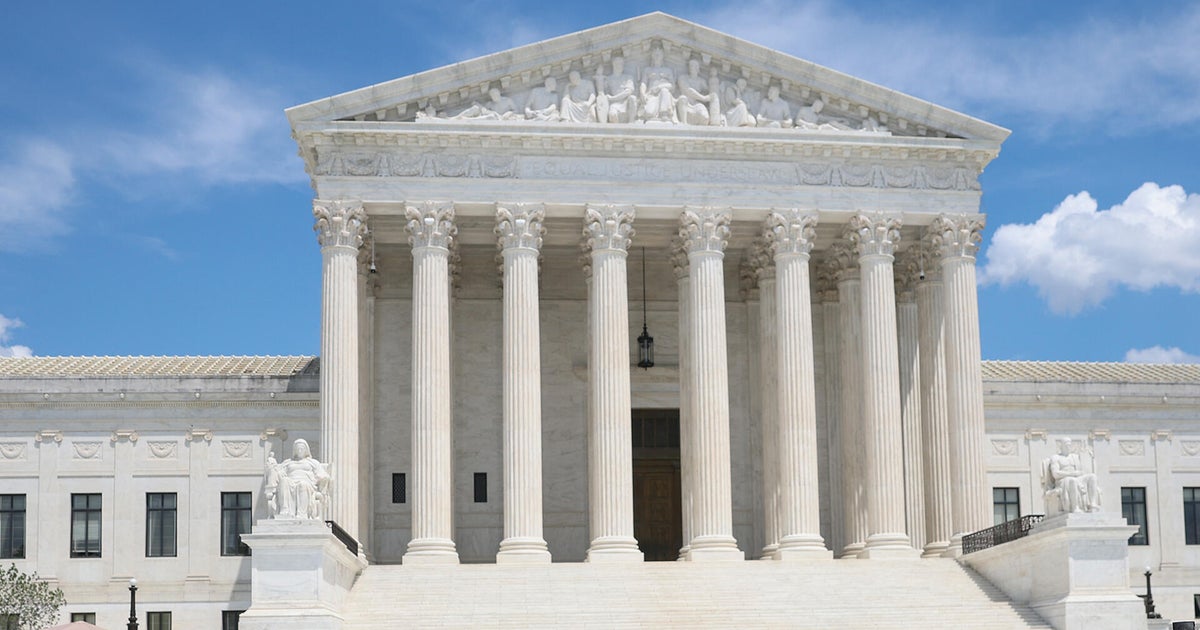
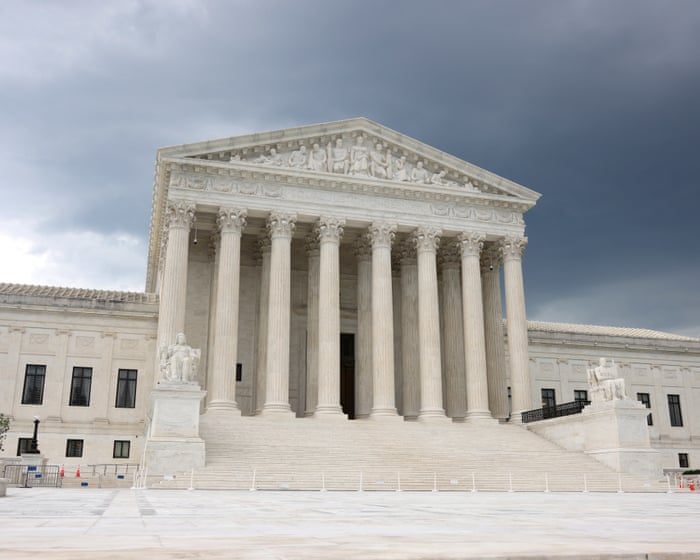
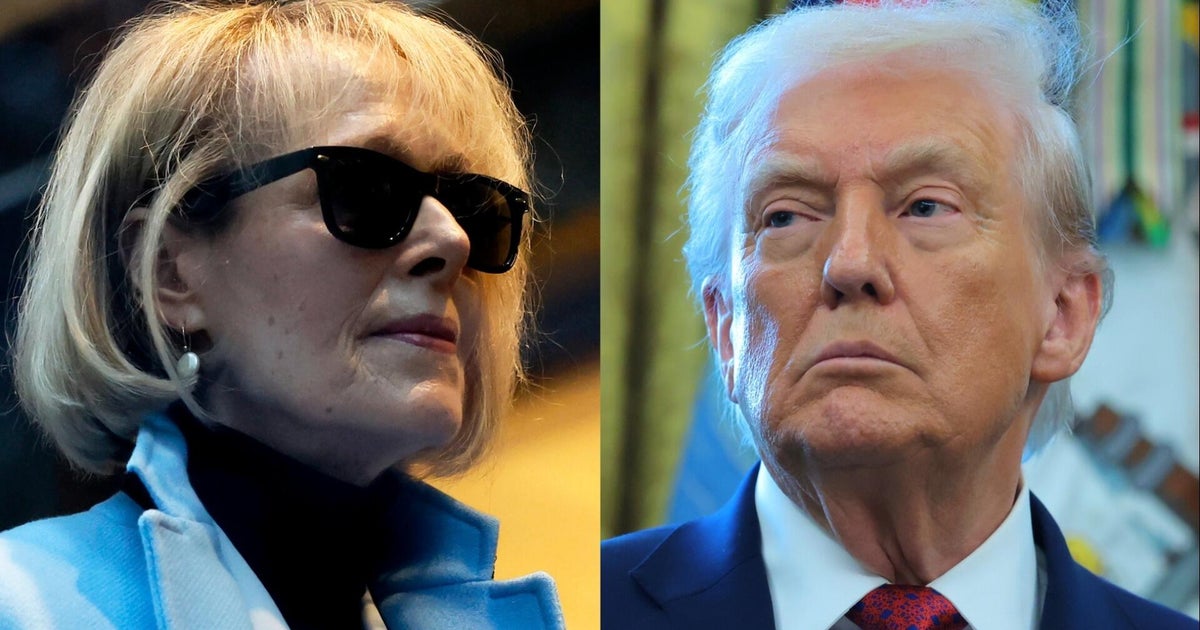
The Supreme Court refused to overturn a jury verdict that found President Donald Trump sexually abused writer E. Jean Carroll and then defamed her. The court gave no explanation for its decision and did not hear the case further.
Key Facts
The jury awarded E. Jean Carroll $5 million in damages.
The allegations involve an incident in the mid-1990s at a New York City department store.
Trump’s lawyers asked the Supreme Court to throw out the verdict.
They claimed the verdict was influenced by unfair evidence, including testimony from two other women accusing Trump of sexual abuse.
President Trump denies all three women's allegations.
The Supreme Court’s decision was a brief, unexplained order, which is common in such cases.
The verdict and legal process took place before Trump’s current term as president.
Trump’s attorneys argued the case distracted from his duties as president.
Read the Original
Want the full story? Tap a source to open the original
article.
The U.S. Supreme Court decided not to hear two cases challenging Texas’s law that bans paid voter assistance. This means the lower court’s decision supporting the restrictions will stay, which is seen as a loss by civil rights and voting rights groups.
Key Facts
The Supreme Court refused to review Texas’s ban on paid voter assistance.
The ban was previously upheld by an appeals court.
Civil rights groups say the law weakens protections under the Voting Rights Act.
The Voting Rights Act is a federal law designed to prevent discrimination in voting.
The decision keeps the Texas restrictions in place for now.
Paid voter assistance means helping voters for money, such as guiding or filling out ballots.
The ruling affects efforts by rights groups to protect voting access in Texas.
Read the Original
Want the full story? Tap a source to open the original
article.
France is experiencing a severe heatwave that has caused around 1,000 extra deaths. Hospitals and funeral homes in the country are under heavy pressure due to the high number of patients and increased fatalities.
Key Facts
A heatwave is affecting France and other parts of Europe.
French health authorities report about 1,000 more deaths than usual during the heatwave.
Hospitals in France are overwhelmed with patients.
Funeral homes are struggling to handle the increased number of bodies.
The heatwave is moving eastward to other European regions.
The article was published on June 29, 2026.
Read the Original
Want the full story? Tap a source to open the original
article.
The U.S. Supreme Court will decide if Arizona can enforce stricter voting rules, including requiring proof of citizenship for voters registering with a state form. The case involves disputes over two Arizona laws passed in 2022 that aim to confirm voters’ citizenship and remove noncitizens from voter rolls, amid challenges from Democrats and nonprofit groups.
Key Facts
Arizona passed two laws in 2022 requiring proof of citizenship for voters registering with a state form and allowing removal of noncitizens from voter lists.
Voters can still register with a federal form, which does not ask for citizenship proof. Those voters can only vote in federal elections but not for president or by mail in Arizona.
Over 19,000 Arizonans were registered as “federal-only” voters without providing citizenship proof as of July 2023.
The Democratic National Committee, Arizona Democrats, and nonprofits filed lawsuits against these laws, arguing they violate federal law (National Voter Registration Act) and a 2018 consent decree.
Lower courts have stopped enforcement of these Arizona voting rules, including canceling registrations within 90 days of a federal election.
The Supreme Court allowed Arizona to enforce the proof-of-citizenship rule for the state voter registration form but blocked proof-of-citizenship rules for presidential and mail voting.
The Court will hear full arguments during its next term beginning in October 2024.
Similar legal questions about voter roll cleanup have appeared in other states, like Virginia, where the Supreme Court allowed removal of alleged noncitizens close to the 2024 election.
Read the Original
Want the full story? Tap a source to open the original
article.
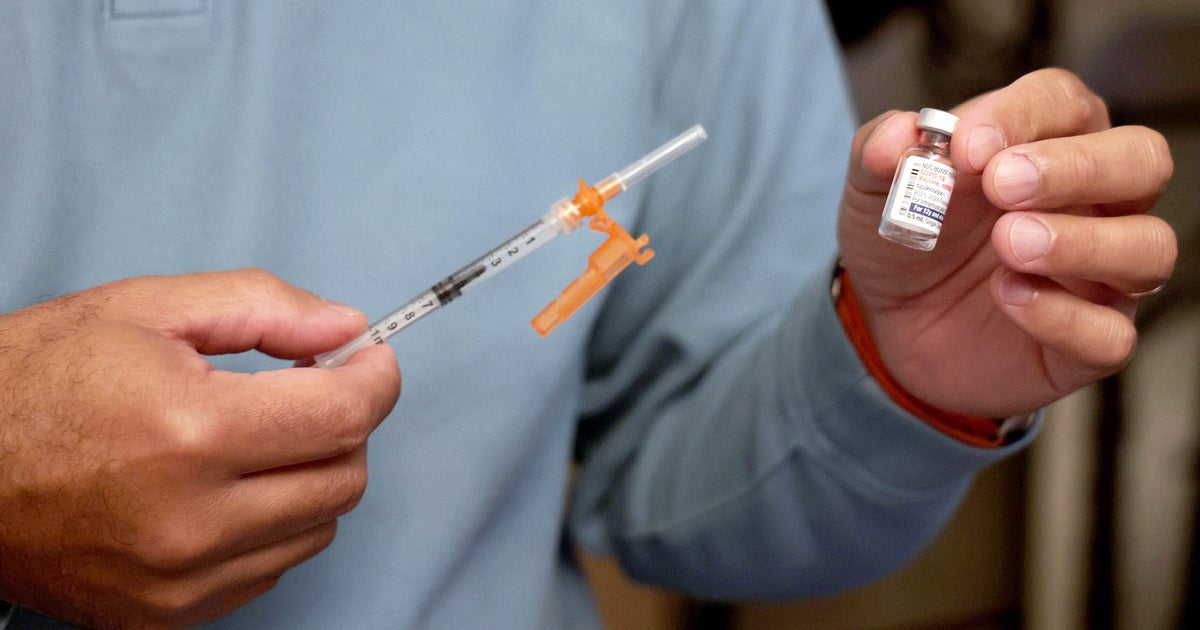
The Supreme Court refused to hear a case about New York's COVID-19 vaccine rule that required healthcare workers to get vaccinated during the pandemic. The lawsuit was filed by healthcare workers who claimed their religious rights were violated when their requests for vaccine exemptions were denied, but lower courts ruled against them.
Key Facts
In 2021, New York required all licensed healthcare workers to be fully vaccinated against COVID-19.
The vaccine mandate allowed some religious accommodations but did not permit full exemptions for religious reasons.
Some healthcare workers requested religious exemptions and were fired when their requests were denied.
The workers sued, saying the vaccine rule violated Title VII of the Civil Rights Act, which protects religious rights at work.
Lower courts rejected the workers’ claims, supporting the vaccine mandate.
The workers asked the Supreme Court to review the case, arguing federal religious rights law should override state vaccine rules.
The Supreme Court declined to hear the case, leaving lower court rulings in place.
New York officials said the vaccine rule allowed some accommodations, like moving unvaccinated workers to safer roles.
Read the Original
Want the full story? Tap a source to open the original
article.
The US Coast Guard Eagle, a large ship about the size of a football field, will lead the Parade of Sail in New York Harbor. This event is part of the countdown to America’s 250th anniversary celebrations, scheduled for June 29, 2026.
Key Facts
The US Coast Guard Eagle is roughly as long as a football field and 15 stories tall.
The Eagle will lead the tall ship parade in New York Harbor.
The parade is part of the preparations for America’s 250th anniversary, also called America 250.
The celebration date mentioned is June 29, 2026.
The Parade of Sail features tall ships, which are large sailing vessels.
The event is a significant part of national celebrations in the United States.
The news was shared by ABC News and covered by “Good Morning America” (GMA).
The Parade of Sail is a maritime event showcasing historic and modern sailing ships.
Read the Original
Want the full story? Tap a source to open the original
article.
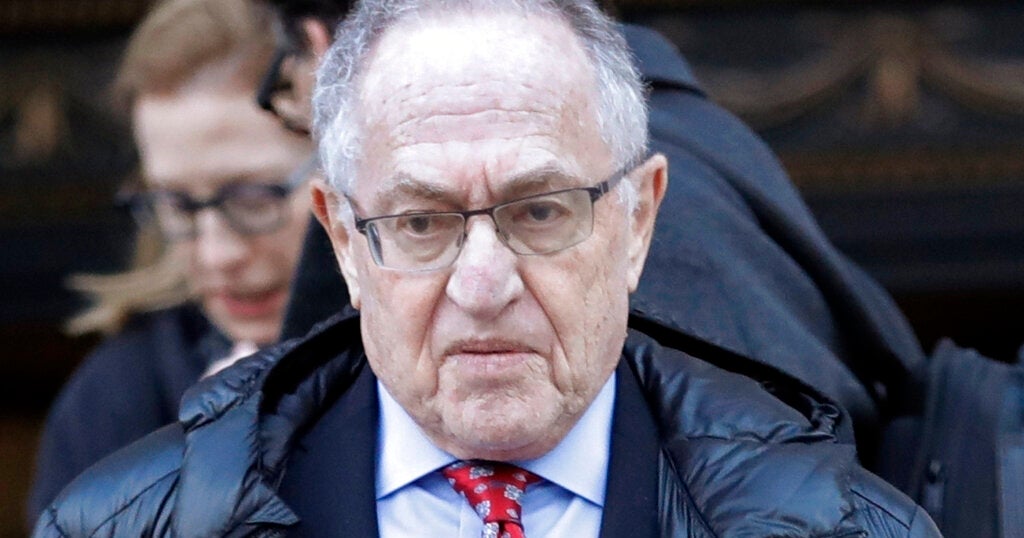
Justice Clarence Thomas asked the Supreme Court to reconsider a 1964 decision that makes it hard for public figures to win defamation cases. This happened after the Court chose not to review a defamation appeal from Harvard law professor Alan Dershowitz.
Key Facts
Justice Clarence Thomas wants the Supreme Court to rethink a key 1964 defamation ruling.
The 1964 decision protects public figures from many defamation lawsuits.
Alan Dershowitz, a Harvard law professor, filed a defamation lawsuit.
Dershowitz asked the Supreme Court to review his case.
The Supreme Court declined to hear Dershowitz’s appeal on Monday.
Justice Neil Gorsuch also supported the idea of revisiting the defamation rule.
Defamation means making false statements that harm someone’s reputation.
The current ruling sets a high bar for public figures to prove defamation.
Read the Original
Want the full story? Tap a source to open the original
article.
Pakistan launched air strikes on locations in three Afghan provinces, targeting an armed group after an attack in Karachi killed three Pakistani paramilitary members. Both Pakistan and the Afghan Taliban accuse each other of civilian harm and harboring militants, continuing a cycle of violence and diplomatic tension between the two countries.
Key Facts
Pakistan carried out air strikes in Afghanistan’s Paktia, Paktika, and Kunar provinces, claiming to kill 25 fighters.
These strikes followed an attack on a Sindh Rangers base in Karachi that killed three paramilitary personnel.
The group Jamaat-ul-Ahrar (JuA), a faction of the Pakistan Taliban (TTP), claimed responsibility for the Karachi attack.
Pakistan also conducted a ground operation in Bajaur, killing several JuA members and destroying weapons.
Pakistan summoned Afghanistan’s top diplomat to protest, accusing Afghan soil of being used to launch attacks.
The Afghan Taliban, who govern Afghanistan, condemned Pakistan’s strikes, claiming they caused civilian casualties.
The arrested attacker from the Karachi assault was identified as an Afghan national from Jalalabad.
Violence between the groups and tensions between Pakistan and Afghanistan have been ongoing for years, with repeated cross-border incidents.
Read the Original
Want the full story? Tap a source to open the original
article.
The Supreme Court has agreed to review a dispute over two Arizona laws that require voters to prove their U.S. citizenship. These laws were challenged after a lower court said they were blocked by federal law.
Key Facts
Arizona passed two voting laws that require proof of U.S. citizenship to register to vote.
The Republican National Committee (RNC) asked the Supreme Court to review the case.
An appeals court previously ruled that federal law overrides Arizona’s laws, blocking them.
The Supreme Court’s agreement means they will decide if Arizona can enforce these proof-of-citizenship rules.
The decision could affect voting rules in Arizona and possibly other states.
The case deals with the balance between state and federal laws on elections.
The Supreme Court’s review shows ongoing debates about voter eligibility and election laws in the U.S.
Read the Original
Want the full story? Tap a source to open the original
article.
Ministers in England are likely to change the law to allow delivery robots to use pavements legally. These small robots deliver groceries and food but currently operate in a legal grey area, causing safety concerns from campaigners focused on pedestrian access.
Key Facts
Current law from 1835 bans “carriages” on pavements, affecting delivery robots.
Ministers plan to include delivery robots in new micromobility vehicle rules, along with e-scooters.
Starship Technologies, a US company, runs delivery robots in several English cities like Cambridge and Bristol.
The company aims to introduce over 10,000 robots in England and may build a UK factory if laws change.
Safety and accessibility groups worry that robots will crowd pavements and create hazards, especially for disabled and elderly people.
Some local people were not informed about robot operation hubs installed in their areas.
The charity Living Streets is campaigning against legalizing robotic deliveries on pavements without strong safety measures.
The government says it wants to support innovation but prioritizes pedestrian and vulnerable user safety in any law updates.
Read the Original
Want the full story? Tap a source to open the original
article.
The Syrian government condemned Israeli military actions in southern Syria’s Daraa province after Israeli forces entered the village of Abidin and used artillery fire. This follows repeated Israeli incursions and attacks in the area close to the disputed Golan Heights, escalating tensions between the two sides.
Key Facts
Israeli forces advanced into the village of Abidin in southern Syria on June 28, 2026.
Local residents tried to block Israeli patrols with stones during the incursion.
Israel responded with artillery fire, causing some residents to flee temporarily.
Syria’s foreign ministry called the Israeli actions a violation of Syrian sovereignty.
Israeli troops have conducted about 70 incursions into southern Syria in June 2026 alone.
Israel claims it wants a demilitarized zone in southern Syria and has maintained a "security zone" since 2024.
Israel’s Defence Minister said Israel plans to keep troops in Syria "for an unlimited period."
Despite conflicts, Israel and Syria have started talks and agreed to share intelligence to improve security.
Read the Original
Want the full story? Tap a source to open the original
article.
A heatwave has caused more than 1,300 extra deaths across Europe since June 21, with France reporting 1,000 excess deaths alone. Temperatures reached up to 44°C (111.2°F) in some places, affecting transport and causing health problems, especially among older people. Experts say Europe is heating up faster than the rest of the world, and its infrastructure is not ready for such extreme heat.
Key Facts
Europe has seen over 1,300 excess deaths linked to the heatwave since June 21.
France recorded 1,000 excess deaths, mostly among people aged 65 and older.
Temperatures hit as high as 44°C (111.2°F) in some parts of France and 40°C (104°F) in Germany, the Czech Republic, and Poland.
The heatwave caused disruptions to transport services in several countries.
Heat-related illnesses like heatstroke and heat stress can cause serious health problems and death, especially in vulnerable groups.
The current heatwave is linked to a “heat dome,” a weather pattern that traps hot air over Western Europe.
The World Health Organization says Europe is warming twice as fast as the global average due to climate change.
European infrastructure was not built to handle these high temperatures, increasing risks to health and safety.
Read the Original
Want the full story? Tap a source to open the original
article.
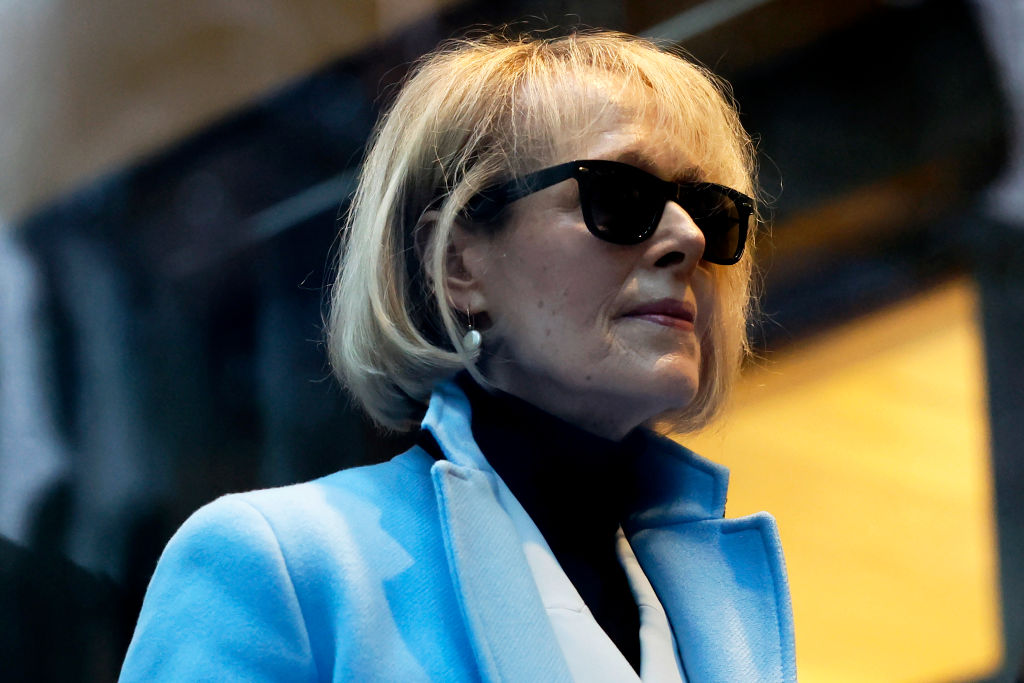
The U.S. Supreme Court decided not to stop a $5 million civil judgment against President Donald Trump in a case where he was found liable for sexually abusing and defaming E. Jean Carroll. This means the first federal verdict against President Trump stands, and a larger defamation award is likely to face the Supreme Court soon.
Key Facts
The Supreme Court refused to overturn a jury’s decision against President Trump in the E. Jean Carroll case.
A federal jury found President Trump liable for sexual abuse and defamation, awarding Carroll $5 million.
The case involved testimony from two other women accusing President Trump of sexual assault and use of the Access Hollywood tape as evidence.
The Second Circuit Court of Appeals had upheld the verdict, rejecting arguments that the trial was unfair.
E. Jean Carroll is a journalist and author who accused President Trump of assault in the 1990s.
A second jury awarded Carroll $83.3 million in a defamation case based on President Trump’s comments during his presidency; this verdict is under appeal.
President Trump has denied the allegations and described Carroll’s claims as false.
Carroll continues her work as a writer and plans to donate the money awarded to her.
Read the Original
Want the full story? Tap a source to open the original
article.
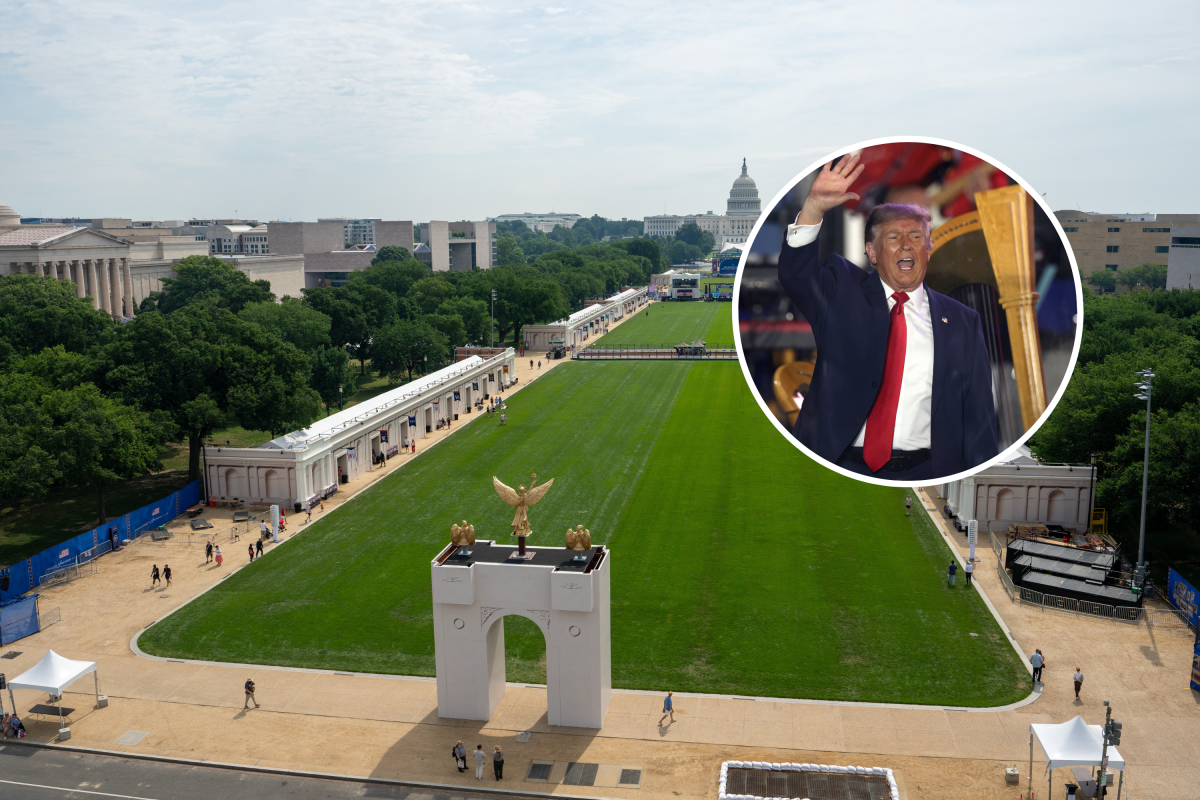
The Great American State Fair, held on the National Mall as part of the 250th anniversary of the Declaration of Independence, has shown low attendance based on social media images. Despite this, President Donald Trump praised the event online, and some supporters defended the attendance numbers.
Key Facts
The Great American State Fair opened on June 25 and lasts 16 days, celebrating the United States’ 250th anniversary.
The event takes place on the National Mall, featuring exhibits from all 50 states, U.S. territories, and the District of Columbia.
Attractions include a 110-foot Ferris wheel, a refurbished Smithsonian National Carousel, and themed activities like concerts and live entertainment.
Social media images showed sparse crowds and empty areas at the fair during its first weekend.
President Donald Trump praised the event on Truth Social, calling it “packed with happy people.”
Six of nine performers initially scheduled withdrew, including Martina McBride and the Commodores.
Some public figures and supporters disputed claims of low attendance, while critics shared images suggesting the opposite.
Admission to the event is free, with organizers recommending advance registration.
Read the Original
Want the full story? Tap a source to open the original
article.
The Supreme Court has refused to cancel a jury's $5 million verdict against President Donald Trump in a sexual abuse and defamation case filed by writer E. Jean Carroll. The court gave no detailed explanation and did not accept Trump’s arguments that the case was unfair due to certain evidence and testimonies.
Key Facts
The Supreme Court declined to review President Trump’s request to overturn a $5 million jury verdict against him.
The case involves E. Jean Carroll’s claim that Trump sexually abused her in a New York store in the mid-1990s and later defamed her by denying the claim.
Trump’s lawyers said the trial included unfair evidence, such as testimony from two other women accusing Trump of sexual abuse decades ago.
Carroll’s lawyers argued the evidence was relevant and the judge’s decisions were correct.
The jury also awarded Carroll an additional $83.3 million in a separate defamation trial, which Trump is appealing.
The Supreme Court is expected to decide other major cases involving Trump, including issues related to birthright citizenship and appointments.
Recent Supreme Court rulings have supported the Trump administration’s immigration policies and struck down a Hawaii gun law.
These rulings have sparked debate about the court’s role and its political leanings.
Read the Original
Want the full story? Tap a source to open the original
article.
BT and Verizon are joining their international businesses to create a new company with yearly revenue of about $4 billion. Verizon will pay BT a fee to ensure they share control equally. This deal ends BT's long search for a buyer as it focuses more on its UK market.
Key Facts
BT and Verizon will form a 50/50 joint venture combining their global business operations.
Verizon will pay BT $625 million as an equalization fee for equal voting rights.
The new company will have over 3,000 customers in about 180 countries and $4 billion in annual revenue.
BT’s CEO, Allison Kirkby, started in February 2024 and is focusing BT more on the UK market.
BT is cutting costs and aims to save £3.7 billion by 2030, with staff numbers expected to be between 75,000 and 80,000 by then.
Verizon announced job cuts of around 13,000 in late 2023 to simplify operations.
The joint venture will be led by Martijn Blanken, headquartered in the UK and incorporated in Jersey.
The deal needs approvals from regulators and employee consultations before it is finalized.
Read the Original
Want the full story? Tap a source to open the original
article.
Fox News apologized for broadcasting claims by Kevin O’Leary about people opposing his data center project. O’Leary said the opponents had links to China, but these statements were not proven.
Key Facts
Kevin O’Leary is a businessman and TV personality.
He talked about a data center project he is involved in.
O’Leary claimed that some people opposing the project were connected to China.
Fox News aired his statements on May 24.
The claims were unsubstantiated, meaning no solid proof was shown.
Fox News apologized over the weekend for broadcasting these claims.
The issue relates to a controversy about the planned data center.
Read the Original
Want the full story? Tap a source to open the original
article.
The U.S. Supreme Court decided not to hear Alan Dershowitz's defamation case against CNN. Dershowitz claimed CNN misrepresented his remarks made during President Trump’s 2020 impeachment trial, but lower courts ruled in favor of CNN citing legal protections for the media when reporting on public figures.
Key Facts
Alan Dershowitz sued CNN for $300 million, saying they defamed him during coverage of President Trump’s first impeachment trial.
Dershowitz was part of President Trump’s legal defense team and commented on the constitutional rules for impeachment.
CNN criticized Dershowitz’s statements but also aired his full remarks after he defended them on their network.
A federal court in Florida ruled CNN did not act with "actual malice," a legal standard requiring proof the media knowingly published false information or recklessly ignored the truth.
The 11th Circuit Court of Appeals upheld this decision, agreeing CNN's comments were fair and not malicious.
Dershowitz appealed to the Supreme Court, arguing that the 1964 New York Times v. Sullivan ruling makes it almost impossible for public figures to win defamation cases.
The Supreme Court declined to review the case, leaving the lower court rulings in place.
Justices Clarence Thomas and Neil Gorsuch disagreed with the decision and dissented, but the majority kept the existing legal standard.
Read the Original
Want the full story? Tap a source to open the original
article.
The U.S. Supreme Court refused to review a jury decision that found President Trump liable for sexually abusing and defaming writer E. Jean Carroll. The jury awarded Carroll $5 million for the abuse case and had earlier awarded her $83 million for defamation.
Key Facts
The jury found by a majority that President Trump sexually abused E. Jean Carroll during the mid-1990s.
President Trump did not attend the 2023 civil trial and did not present witnesses.
The jury also ruled that President Trump defamed Carroll and awarded her a separate $83 million.
President Trump has denied Carroll’s allegations since 2019 when she first published them.
President Trump appealed both the sexual abuse and defamation cases but was denied review by the Supreme Court.
The trial judge described Trump’s conduct as an "implicit digital rape," though the jury rejected Carroll’s rape claim.
Evidence included testimony from other women accusing Trump of similar conduct and a video of Trump bragging about sexual misconduct.
The Second Circuit appeals court upheld the jury’s decisions before the Supreme Court declined to hear the case.
Read the Original
Want the full story? Tap a source to open the original
article.
The U.S. Supreme Court decided not to review a case involving President Donald Trump. This means the court will not change the earlier ruling that found Trump responsible for sexually abusing writer E. Jean Carroll and for defaming her. Trump must pay the $5 million damages awarded in the case.
Key Facts
The Supreme Court declined President Trump’s request to overturn a jury verdict.
The verdict found Trump liable for sexually abusing E. Jean Carroll in the mid-1990s.
The court also found Trump liable for defaming Carroll.
The ruling includes a $5 million award to Carroll.
This decision keeps the $5 million penalty in place.
The case relates to Trump’s personal legal troubles amid his 2024 presidential campaign.
The Supreme Court’s refusal means no further appeals on this verdict at the highest court level.
Read the Original
Want the full story? Tap a source to open the original
article.