Neutral summaries of your favorite news sources — just the facts.
Your favorite news sources, one neutral feed — we distill their reporting into fact-first
summaries and always link to the original story. How it works
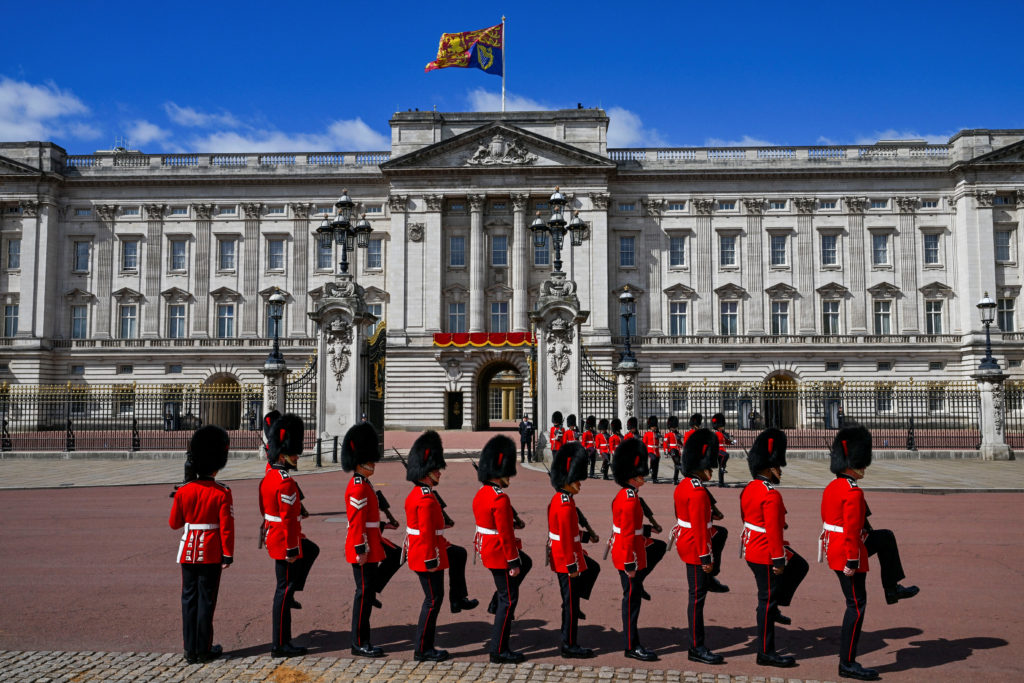
King Charles III will not live in Buckingham Palace after a 10-year, nearly £369 million renovation to update the building. Instead, he and Queen Camilla will stay at nearby Clarence House while Buckingham Palace remains the main working center and opens more to the public.
Key Facts
Buckingham Palace underwent a 10-year refurbishment costing about £369 million ($487 million) to update old plumbing, wiring, and heating.
King Charles III and Queen Camilla will live at Clarence House, near Buckingham Palace.
Buckingham Palace will continue as the monarchy’s ceremonial and operational center.
The renovation will allow more public access and events at Buckingham Palace, which currently sees about 700,000 visitors annually.
King Charles III disclosed paying £12.9 million ($16.1 million) in income and capital gains taxes in 2024-25.
The palace has been home to British monarchs since Queen Victoria in the 1820s and has 775 rooms.
The change aims to modernize the monarchy and increase transparency after past public criticism.
Clarence House was Charles’ residence when he was Prince of Wales before becoming king.
Read the Original
Want the full story? Tap a source to open the original
article.
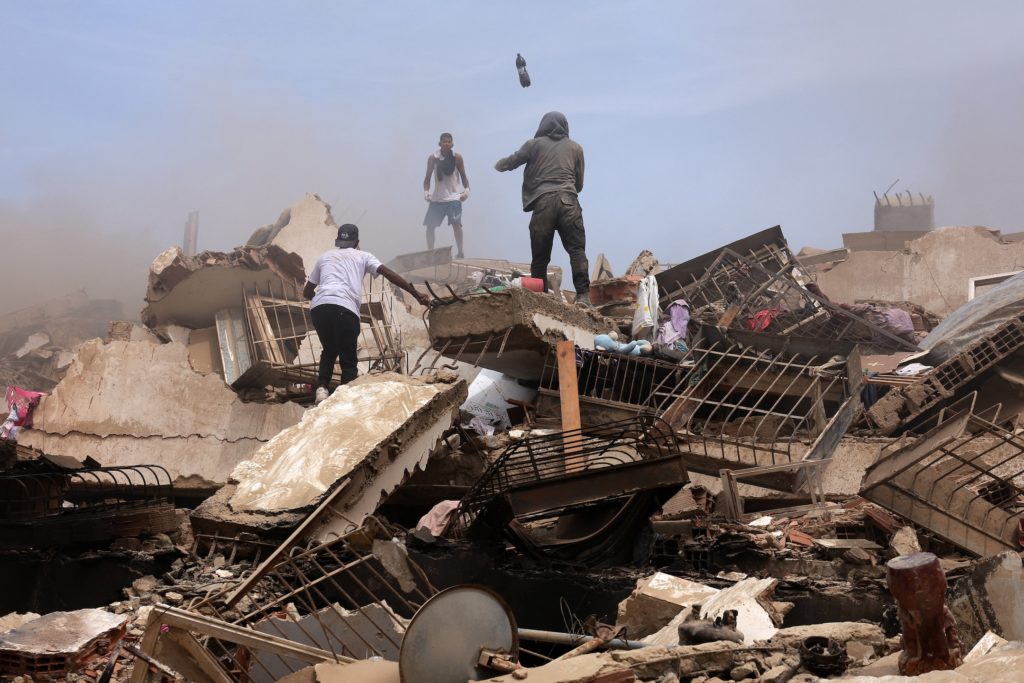
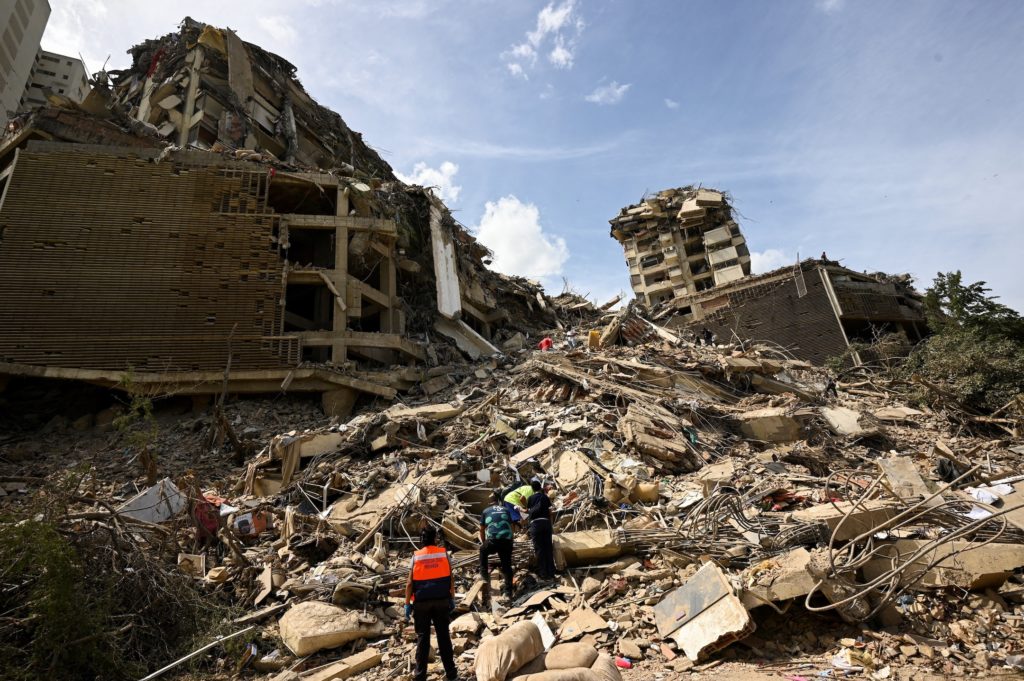
Two strong earthquakes struck near Caracas, Venezuela, causing severe damage and many deaths. Rescue teams are working quickly to help survivors and recover those who died.
Key Facts
Two major earthquakes hit near Venezuela's capital, Caracas.
Buildings were destroyed in many areas.
The damage is very severe, described as catastrophic in some places.
The U.S. Geological Survey estimates up to 10,000 people may have died.
Rescue efforts are ongoing to find survivors and recover bodies.
The situation is urgent and emergency teams are involved.
The earthquakes occurred back-to-back, adding to the severity of the disaster.
Read the Original
Want the full story? Tap a source to open the original
article.
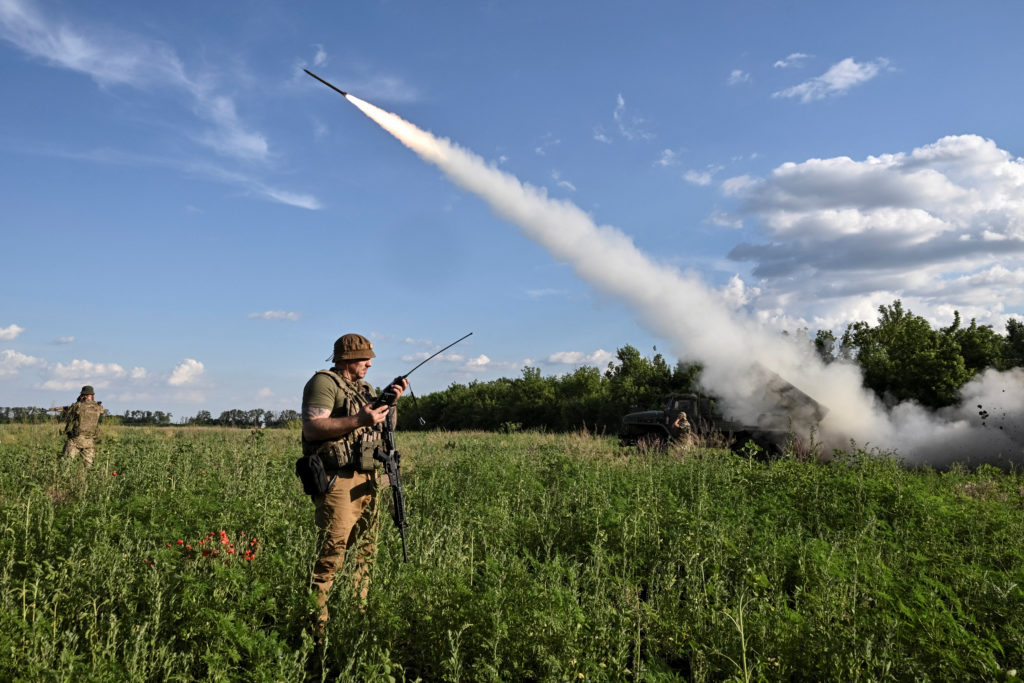
Russia is moving many of its air defense weapons to protect key places like Moscow and important supply routes in response to Ukraine's drone attacks deep inside Russia. Ukrainian President Zelenskyy said Russia’s shift leaves other areas more open to future drone strikes, as Ukraine uses long-range drones to target military and energy sites.
Key Facts
Russia is redeploying air defense missile launchers to Moscow, Valdai, and the Kerch Bridge to protect these important locations.
Ukraine has struck two Russian oil refineries far inside Russia and an oil depot near the front lines with drones.
Ukrainian drones have recently attacked Moscow, St. Petersburg, and Russian sites supporting the military.
Ukraine’s long-range drones can now fly more than 1,500 kilometers (930 miles).
The shifting of Russian defenses may make other parts of Russia more vulnerable to drone attacks.
Zelenskyy says Russia’s defense moves show it prioritizes protecting its leaders and key sites.
Ukraine continues to seek peace talks, which Russia has not accepted.
President Trump praised Zelenskyy for his leadership and said Ukraine is doing well in the war.
Read the Original
Want the full story? Tap a source to open the original
article.
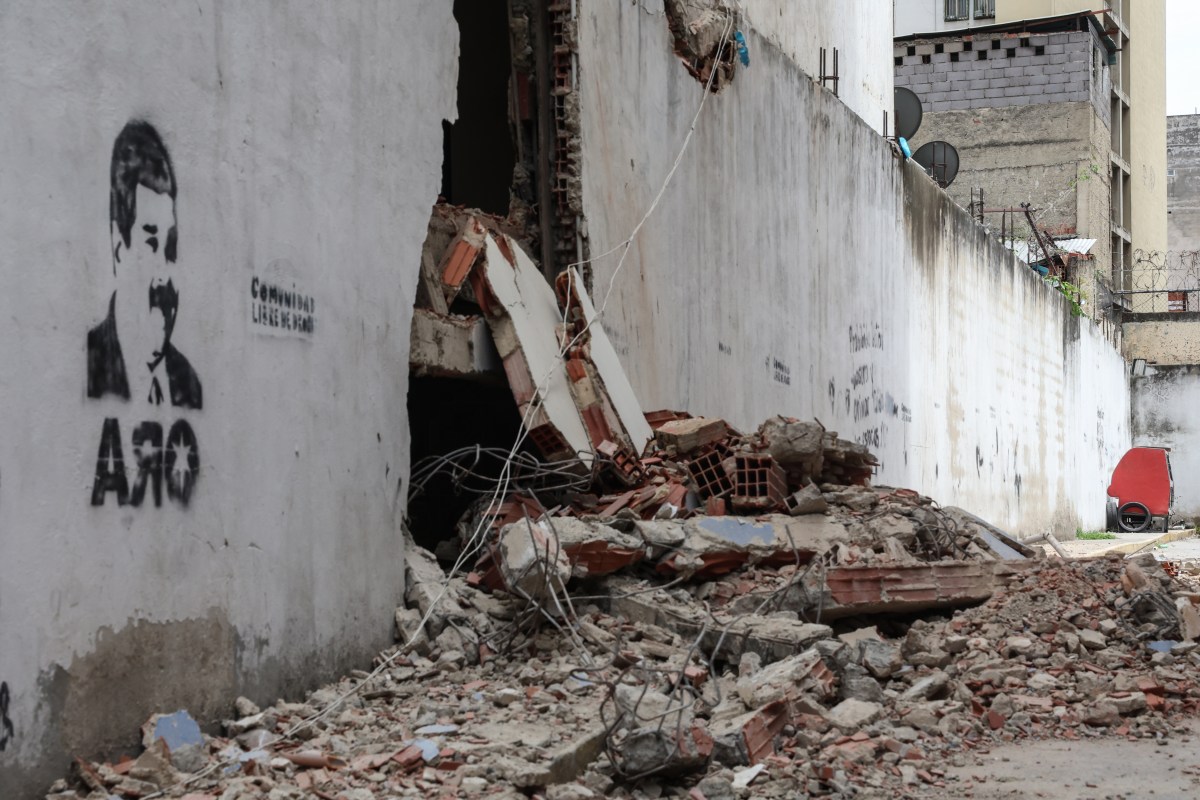
Two strong earthquakes hit Venezuela, killing at least 164 people and injuring many more. President Donald Trump quickly offered U.S. aid, and Venezuela's acting leader, Delcy Rodríguez, thanked him, showing closer ties between the U.S. and Venezuela after recent political changes.
Key Facts
Two earthquakes measuring 7.2 and 7.5 happened within 39 seconds in Venezuela.
The quakes caused at least 164 deaths and over 1,000 injuries.
President Trump promised rapid U.S. government aid to Venezuela.
Acting Venezuelan President Delcy Rodríguez expressed gratitude to President Trump and his administration.
Rodríguez took power after Nicolás Maduro was removed by U.S. forces on narcoterrorism charges earlier this year.
Reports suggest the U.S. government and Rodríguez’s administration have an agreement linking aid with political cooperation.
The U.S. has increased its involvement in Venezuela’s oil, mineral, and defense sectors.
CIA Director John Ratcliffe visited Venezuela shortly after Maduro’s removal, signaling direct engagement with Venezuelan officials and military.
Read the Original
Want the full story? Tap a source to open the original
article.
The United States and other countries are sending help to Venezuela after two earthquakes hit the country. A reporter with experience in Venezuela spoke with a journalist in Colombia about what is happening now.
Key Facts
Venezuela experienced two earthquakes recently.
The U.S. and other nations are providing relief support to Venezuela.
Economic problems in Venezuela are affecting the earthquake response.
Political difficulties in Venezuela also slow down aid efforts.
A correspondent with experience in Venezuela is reporting on the situation.
The discussion about the response took place between reporters in Colombia and via special correspondence.
Read the Original
Want the full story? Tap a source to open the original
article.
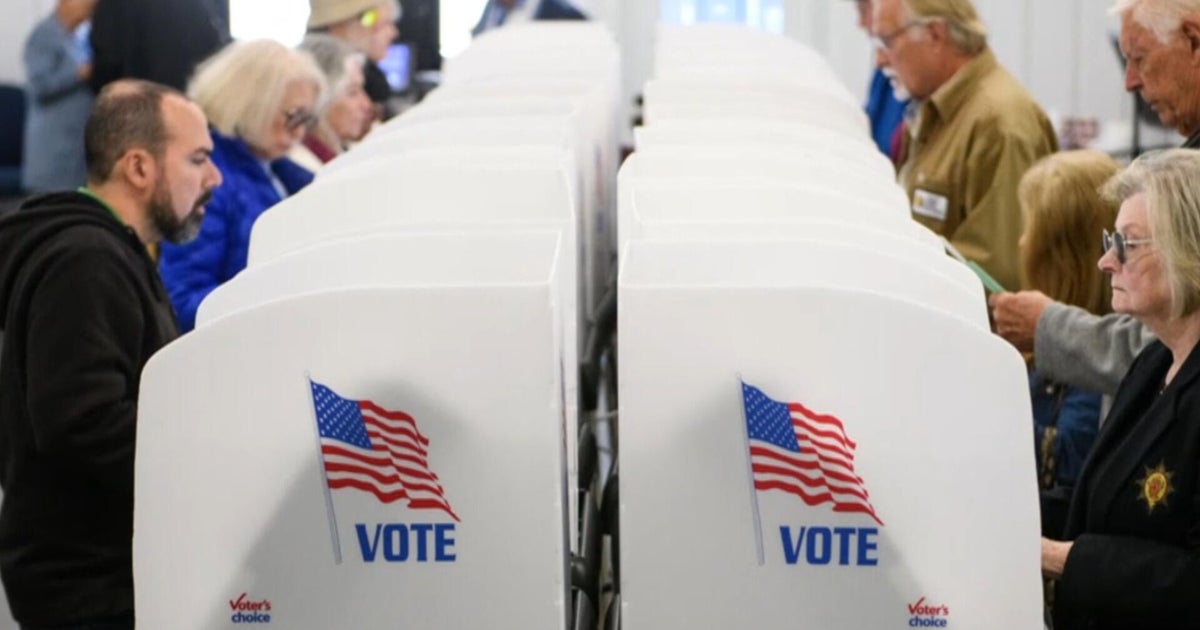
Senate Democrats have started a program to train their staff to watch over elections as independent observers. These trained staff will go to polling places in states with Senate races to watch voting and ballot counting. The House of Representatives already has a similar program.
Key Facts
Senate Democrats created a program to train congressional staff as election observers.
Staff members will monitor voting and ballot counting at polling locations.
The program targets states with Senate races.
The goal is to have independent observers to ensure fair election processes.
The House of Representatives already runs a similar election observer program.
This program aims to increase transparency in elections.
CBS News reported this announcement.
Read the Original
Want the full story? Tap a source to open the original
article.
A federal judge in Washington, D.C., has ordered the U.S. Justice Department to remove some redactions from documents related to Jeffrey Epstein. This came after a lawsuit filed by attorney and journalist Katie Phang seeking greater access to the files.
Key Facts
A judge issued a preliminary injunction requiring the Justice Department to unredact parts of the Epstein files.
The lawsuit was brought by Katie Phang, an attorney and independent journalist.
The judge's order applies to key documents that include at least eight email exchanges involving Epstein.
The case focuses on increasing transparency by revealing more information about Epstein-related records.
The Justice Department must comply with the order and produce the less redacted files.
The documents are part of an ongoing investigation into Epstein's activities and connections.
The ruling aims to help public understanding by allowing access to previously hidden details.
The judge is based in Washington, D.C., which is the location of the federal court overseeing the case.
Read the Original
Want the full story? Tap a source to open the original
article.
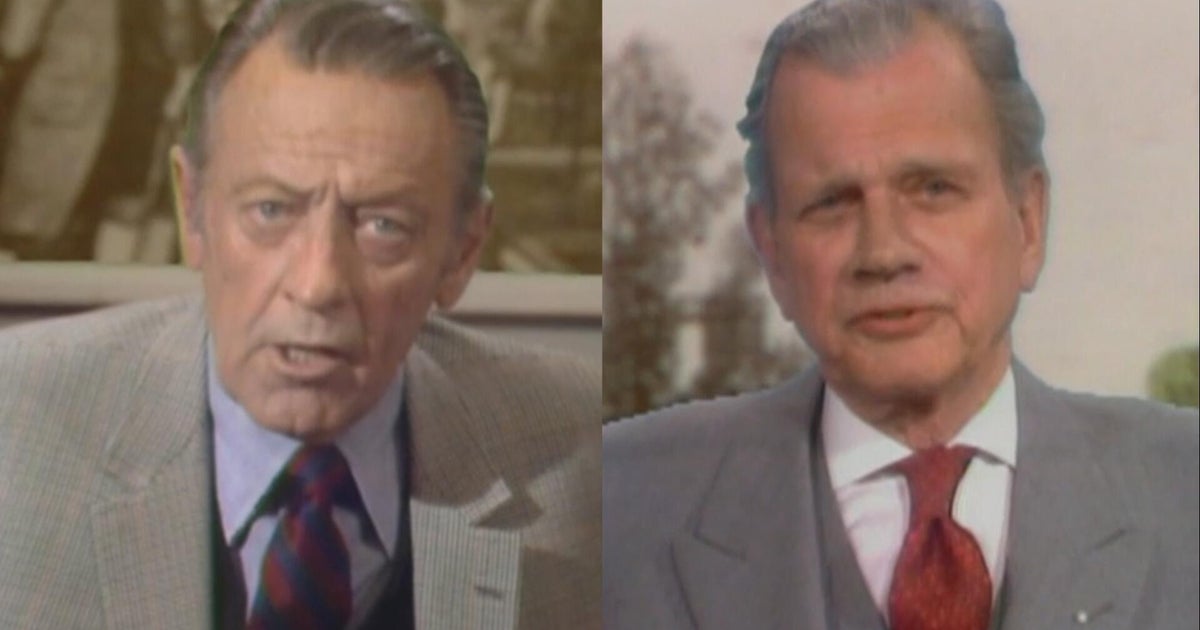
In 1976, CBS aired short videos with famous actors William Holden and Joseph Cotten talking about important moments in early U.S. history. These clips were part of the lead-up to America’s bicentennial, which celebrated 200 years since the country was founded.
Key Facts
The videos were shown on CBS before the bicentennial celebration in 1976.
Actors William Holden and Joseph Cotten appeared in these segments.
The actors described key events from the early history of the United States.
The bicentennial marked 200 years since America’s founding in 1776.
Major Garrett, CBS News chief Washington correspondent, introduced the clips.
The purpose was to remind viewers about the nation’s historical beginnings.
Read the Original
Want the full story? Tap a source to open the original
article.
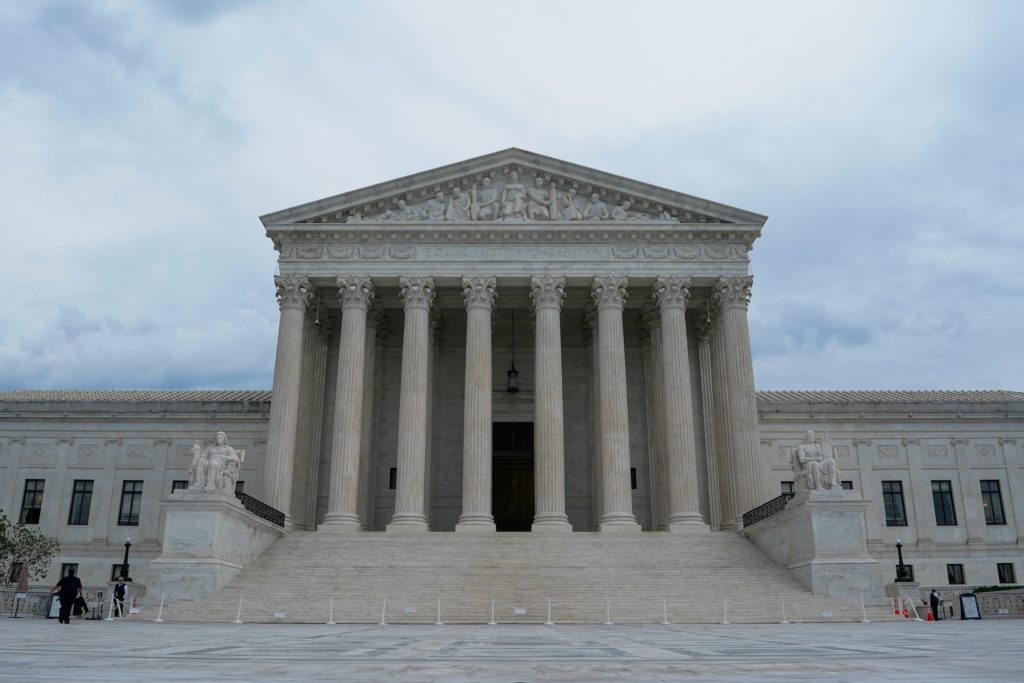
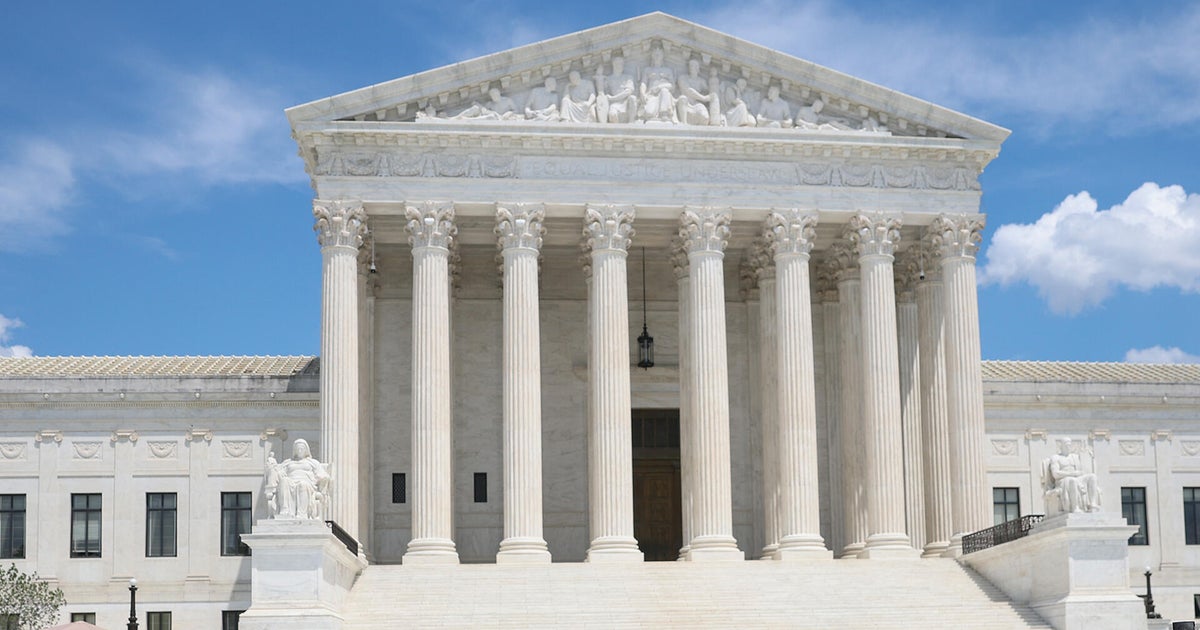
The Supreme Court made important rulings that affect immigration, gun laws, and lawsuits against Monsanto. The court allowed the Trump administration to stop deportation protections for many Haitians and Syrians, ruled that Monsanto is not responsible in lawsuits over its weed killer Roundup, and invalidated a Hawaii gun control law.
Key Facts
The Supreme Court ruled that deportation protections for many Haitians and Syrians can be ended by the Trump administration.
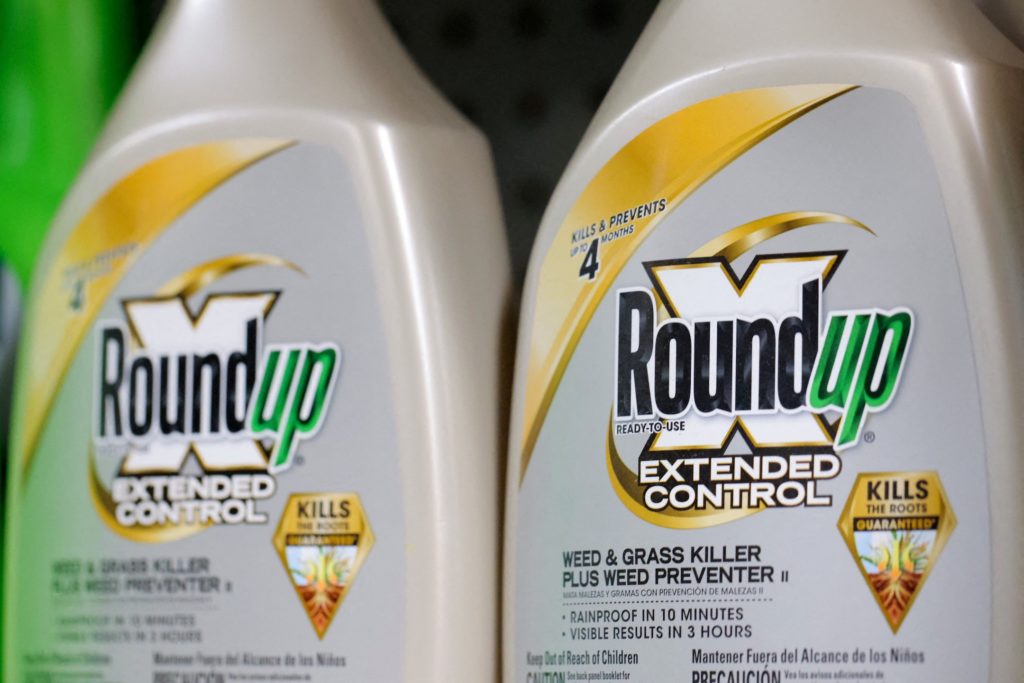
The court decided Monsanto cannot be held responsible in lawsuits about its weed killer product, Roundup.
A Hawaii gun law was struck down by the Supreme Court, meaning it is no longer valid.
The rulings were announced on a Thursday.
These decisions were discussed by Geoff Bennett and legal expert Amy Howe.
Amy Howe is a Supreme Court analyst and co-founder of SCOTUSblog, a website that covers the court.
Read the Original
Want the full story? Tap a source to open the original
article.
The Federal Reserve's preferred measure of inflation, called the personal consumption expenditure (PCE) index, rose by 4.1% in May compared to the same month last year. This is the highest inflation rate in three years and comes during ongoing tensions related to the war with Iran.
Key Facts
The personal consumption expenditure (PCE) index measures inflation by tracking changes in consumer spending.
In May, the PCE index increased by 4.1% year over year.
This is the highest inflation level recorded in three years.
The Federal Reserve uses the PCE index to guide its monetary policy decisions.
The inflation rise coincides with continuing conflict involving Iran.
Inflation reflects how much prices for goods and services have increased.
Higher inflation can affect the economy, influencing prices, wages, and interest rates.
Read the Original
Want the full story? Tap a source to open the original
article.
Oil prices are dropping and getting close to the levels they were before the war. However, gas prices in the United States remain about $1 higher than before, so drivers are still paying more at the pump.
Key Facts
Oil prices have fallen near the levels seen before the recent conflict.
More ships are now passing through the Strait of Hormuz, a key route for oil transport.
Despite lower oil prices, gas prices in the U.S. remain about $1 higher than before the war.
The gap between oil prices and gas prices means consumers are not seeing full benefits at gas stations.
Changes in shipping and supply routes are impacting oil price trends.
The article focuses on the connection between oil market changes and U.S. gas prices.
CBS News contributor Javier David reported on this topic.
Read the Original
Want the full story? Tap a source to open the original
article.
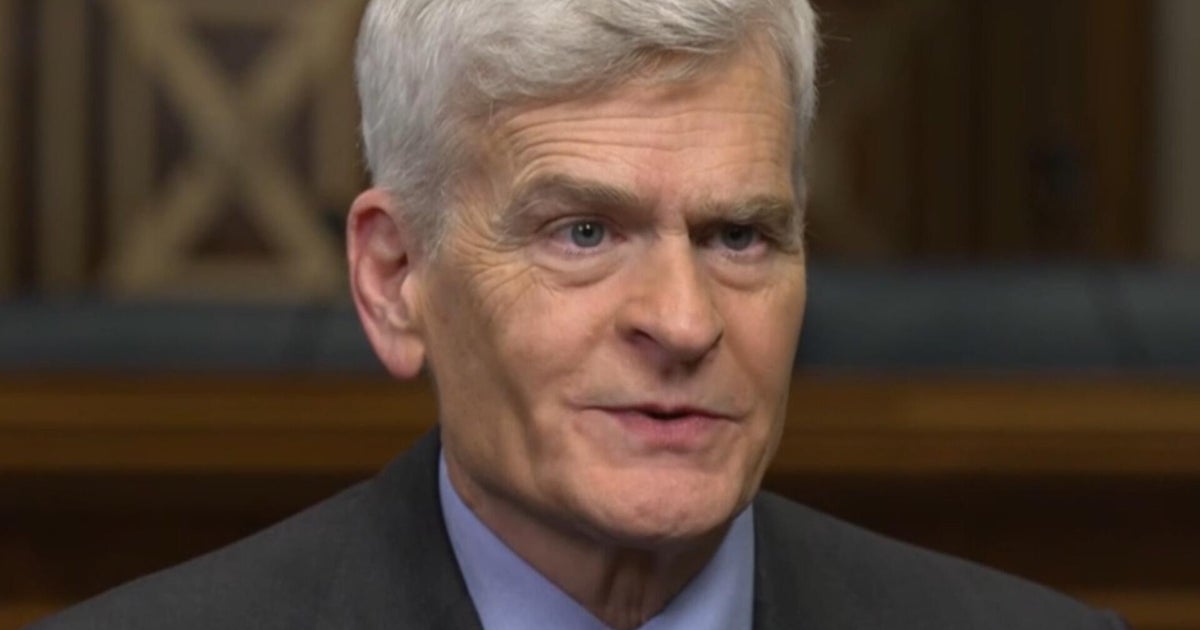
Senator Bill Cassidy changed his vote and helped the Senate reject a measure that aimed to limit President Trump’s war powers related to Iran. Cassidy explained his reasons in a CBS News interview following the vote.
Key Facts
The Senate voted on a measure to limit President Trump’s ability to take military action in Iran.
Two key Republican senators, including Bill Cassidy from Louisiana, changed their votes against the measure.
Because of these vote changes, the Senate rejected the measure.
Cassidy spoke about his decision in an interview with CBS News correspondent Margaret Brennan.
The discussion included political analysts Matt Bennett and Doug Heye, who provided further insights.
Read the Original
Want the full story? Tap a source to open the original
article.
The number of flu cases at Lackland Air Force Base in Texas has increased to 275 this week. This rise follows the removal of the flu vaccine requirement for military service members by Defense Secretary Pete Hegseth.
Key Facts
Lackland Air Force Base in Texas reported 275 flu cases as of Wednesday.
Last week, the base had 160 flu cases, showing a significant increase.
Defense Secretary Pete Hegseth ended the mandatory flu vaccine policy for military personnel.
The Air Force confirmed the current flu case numbers officially.
Representative Joaquin Castro from Texas commented on the situation.
The flu vaccine mandate had been in place before it was removed.
The rise in flu cases occurred after the vaccine requirement was lifted.
The article focuses on health concerns and military policy changes at a U.S. military base.
Read the Original
Want the full story? Tap a source to open the original
article.
The Supreme Court recently made decisions about immigration rules in the United States. Doris Meissner, a former top official in immigration services, talked about how these rulings might change asylum policies in the country.
Key Facts
The Supreme Court issued important rulings related to immigration and asylum.
Doris Meissner worked as a senior official at the Immigration and Naturalization Service during the Reagan and Clinton administrations.
She is currently a senior fellow at the Migration Policy Institute.
The discussion focuses on how these court decisions could affect people seeking asylum in the U.S.
Asylum is protection given to people who flee their countries due to danger or persecution.
Changes in immigration law can impact how many people are allowed to enter and stay in the U.S. as refugees.
The conversation helps explain legal and policy effects of the Supreme Court's decisions.
Read the Original
Want the full story? Tap a source to open the original
article.
The Supreme Court supported several immigration policies created under President Donald Trump. These decisions include rules about temporary protected status for some migrants and how people can request asylum in the U.S.
Key Facts
The Supreme Court has a conservative majority.
The Court upheld immigration policies from President Trump's administration.
One ruling affected temporary protected status, which protects some migrants from deportation.
Another ruling supported the ways migrants apply for asylum.
These decisions align with tougher immigration rules from the Trump era.
The rulings were explained by legal expert Jessica Levinson on CBS News.
Read the Original
Want the full story? Tap a source to open the original
article.
Democrats from across the United States are meeting in Texas for their largest event this year. A main topic at the three-day convention is the upcoming Senate race in Texas, where supporters are rallying behind the candidate Talarico.
Key Facts
The event is the biggest Democratic gathering in Texas this year.
It lasts for three days.
The main focus is the Texas Senate race.
Supporters are showing strong support for Talarico.
Chuck Rocha, a political expert and adviser to Talarico’s campaign, spoke about the race.
The convention includes Democrats from around the country.
The coverage was provided by CBS News.
Read the Original
Want the full story? Tap a source to open the original
article.
Rep. Brad Schneider, a Democratic leader, said the Democratic Party needs to improve how it talks about Democratic Socialists. This comment came after the recent primary elections, where candidates supported by Zohran Mamdani defeated two incumbent Democrats.
Key Facts
Rep. Brad Schneider is the chair of the New Democrat Coalition.
Recent primary elections saw challengers backed by Zohran Mamdani win against Reps. Dan Goldman and Adriano Espaillat.
Schneider suggests the Democratic Party should work on its messaging about Democratic Socialists.
The losses represent a challenge for the more established wing of the Democratic Party.
The discussion took place in an interview with CBS News.
The New Democrat Coalition represents the moderate wing of the Democratic Party.
The primary results could affect the party’s direction and unity.
Read the Original
Want the full story? Tap a source to open the original
article.
The U.S. Supreme Court ruled 7-2 in favor of the company that makes Roundup, an herbicide. This decision overturned a Missouri court’s award to a man who said Roundup caused his cancer and is likely to stop many similar lawsuits nationwide.
Key Facts
The Supreme Court made a 7-2 decision supporting Roundup’s maker.
The ruling overturned a Missouri jury award for a cancer claim linked to Roundup.
The decision could block thousands of lawsuits across the United States.
Roundup is a widely used weed killer made by Monsanto’s manufacturer.
The case involved questions about whether Roundup’s chemicals cause cancer.
Dr. Chadi Nabhan wrote a book about the trials related to toxic exposure and Monsanto.
The news was discussed on a program hosted by Geoff Bennett.
Read the Original
Want the full story? Tap a source to open the original
article.
The United States is negotiating a deal with Iran to end conflict and ensure safe shipping through the Strait of Hormuz. U.S. Secretary of State Marco Rubio said they will not accept a deal that lets Iran charge fees on shipping, as this could cause chaos in the region. A recent attack on a ship in the strait led the United Nations to pause efforts to evacuate trapped vessels.
Key Facts
U.S. Secretary of State Marco Rubio is visiting Gulf countries to reassure allies amid Middle East tensions.
The U.S. and Iran have a preliminary agreement to address Iran’s nuclear program, sanctions, and safe shipping through the Strait of Hormuz.
Rubio said the U.S. wants a deal but "not at any price," emphasizing regional security and stability.
Iran wants to introduce maritime fees in the strait, but the U.S. opposes this, fearing it could cause widespread disruption.
A cargo ship was recently hit by an unknown projectile near Oman, causing damage but no injuries.
The International Maritime Organization paused the evacuation of about 600 trapped ships in the region for safety reasons.
Gulf Cooperation Council foreign ministers stressed that Iran’s missile program and support for proxy groups must also be addressed.
A new shipping route near Oman was created to help avoid conflict zones but faced opposition from Iran’s Revolutionary Guards.
Read the Original
Want the full story? Tap a source to open the original
article.
The U.S. Supreme Court issued several important 6-3 rulings before its summer break, including decisions on immigration and gun rights. These rulings supported positions favored by President Trump and groups advocating for gun rights, though the justices showed disagreements during the process.
Key Facts
The Supreme Court released multiple decisions with a 6-3 vote split.
The rulings included cases related to immigration and the right to bear arms.
President Trump’s appointed justices played a key role in the majority decisions.
Gun rights advocates welcomed the court’s support in certain gun-related cases.
The justices showed some disagreements during the decision-making process.
These cases were some of the final ones before the court’s summer recess.
Read the Original
Want the full story? Tap a source to open the original
article.