Neutral summaries of your favorite news sources — just the facts.
Your favorite news sources, one neutral feed — we distill their reporting into fact-first
summaries and always link to the original story. How it works
The American Civil Liberties Union (ACLU) is spending $50 million to watch over the certification of election results in the upcoming midterm races. They have sent thousands of workers to key states like Arizona, Georgia, North Carolina, and Pennsylvania to protect voters' rights to vote and have their votes counted.
Key Facts
The ACLU is investing $50 million in the 2024 midterm elections.
The focus is on monitoring the certification of election results.
Their goal is to protect voters’ ability to vote and have their votes counted.
The ACLU is a nonpartisan, nonprofit organization.
They have deployed thousands of staff members to battleground states.
Key states include Arizona, Georgia, North Carolina, and Pennsylvania.
This effort is part of a broader push to ensure election integrity in midterms.
Read the Original
Want the full story? Tap a source to open the original
article.
A man named Daniel J. Sullivan Jr., who shares the same name as Alaska Senator Dan Sullivan, has filed a lawsuit to stay on the primary election ballot. He was removed from the ballot because of the name similarity, but he argues this removal is not legal.
Key Facts
Daniel J. Sullivan Jr. has the same first and last name as Senator Dan Sullivan of Alaska.
Daniel J. Sullivan Jr. is not related to the incumbent senator.
The state of Alaska removed Daniel J. Sullivan Jr. from the primary election ballot.
He filed a lawsuit in Alaska Superior Court to challenge the removal.
His argument is that the state cannot legally remove him from the ballot due to the name similarity.
The issue relates to the rules around candidate names on election ballots.
Read the Original
Want the full story? Tap a source to open the original
article.
Luis von Ahn, the founder of Duolingo, talks about his journey from creating CAPTCHA technology to building a large education technology company. He shares how his childhood in Guatemala and his belief in accessible education inspired him.
Key Facts
Luis von Ahn grew up in Guatemala and became interested in computers early on.
He created CAPTCHA and reCAPTCHA, tools to help computers distinguish humans from bots.
Google bought reCAPTCHA from him.
He founded Duolingo, an education app used by millions worldwide.
Duolingo is now worth billions of dollars.
Von Ahn discusses the sacrifices his mother made to support his education.
He shares lessons he learned as an entrepreneur.
He mentions struggling with conflict as a technology company leader.
Read the Original
Want the full story? Tap a source to open the original
article.
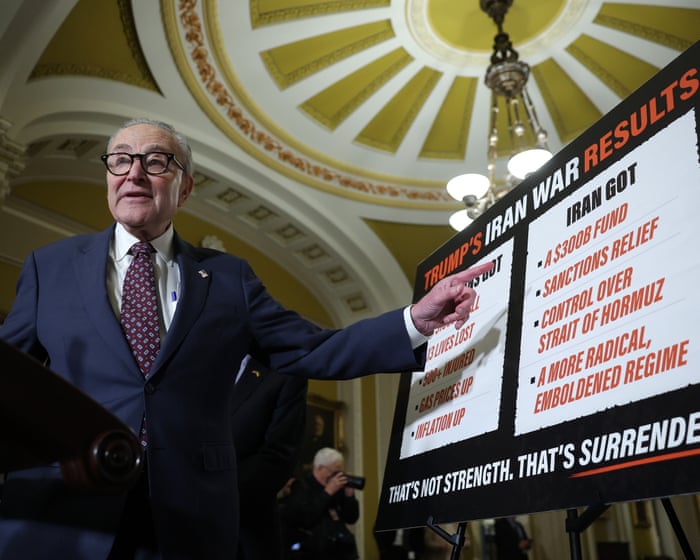
The U.S. Senate passed a resolution related to war powers concerning the conflict with Iran, following earlier approval by the House of Representatives. The vote was very close, and the resolution serves as a rare formal criticism of President Donald Trump’s actions regarding the Iran conflict.
Key Facts
The Senate approved the war powers resolution by a vote of 50-48.
The House had already passed the same resolution before it reached the Senate.
This is the first time a war powers resolution has been passed since the war with Iran began.
The resolution is largely symbolic and does not immediately change U.S. military action.
The vote represents an uncommon public disagreement with President Trump by Congress.
The article was published on June 23, 2026.
The resolution relates to the U.S. government's authority over military conflicts.
Military and political tensions with Iran remain an ongoing issue in U.S. foreign policy.
Read the Original
Want the full story? Tap a source to open the original
article.
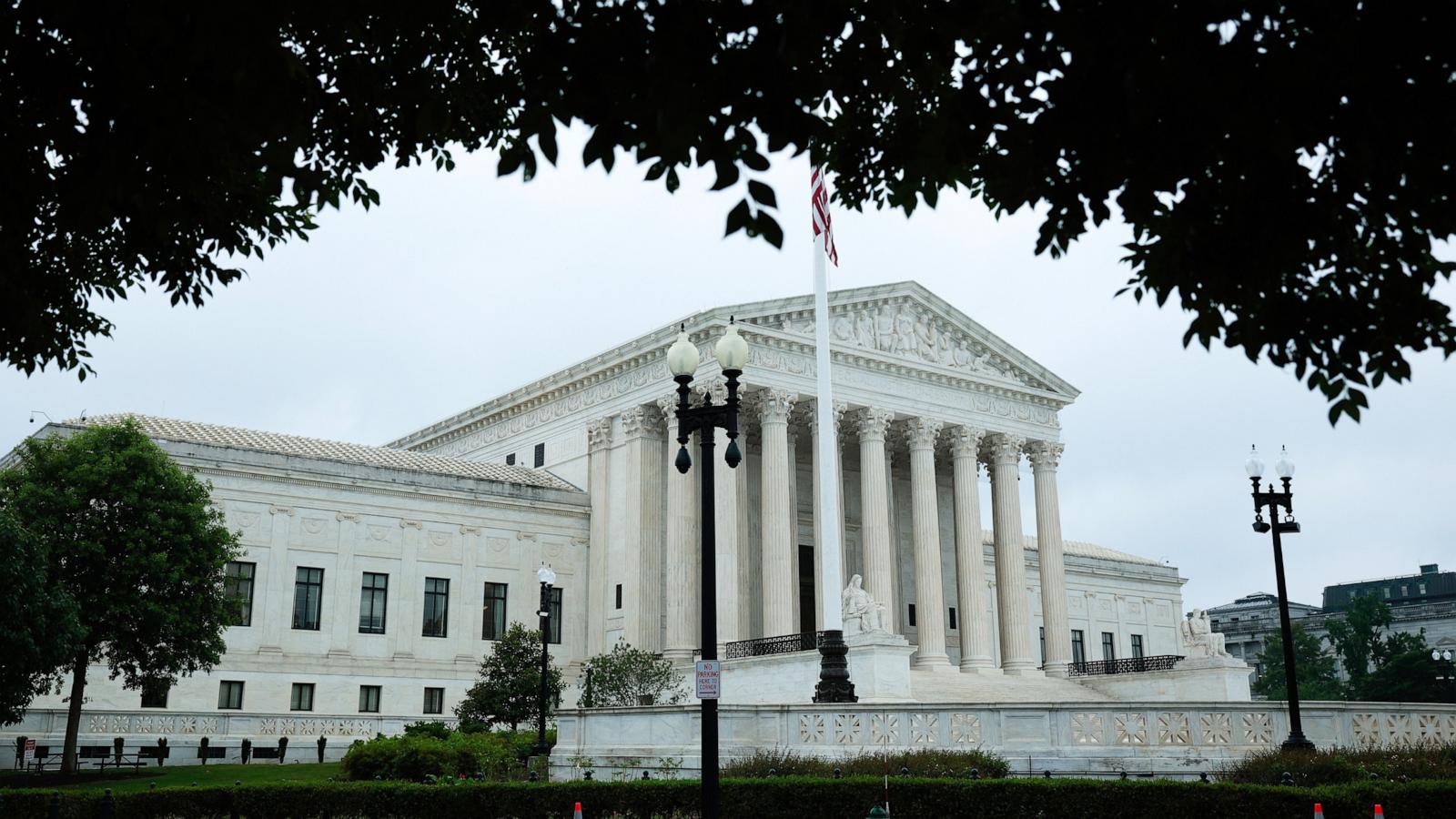
The U.S. Supreme Court ruled that border agents can more easily deport lawful permanent residents (green card holders) if they believe the person committed a crime involving "moral turpitude." The court decided that agents do not have to prove this with strong evidence before denying re-entry to the U.S.
Key Facts
The Supreme Court voted 6-3 to support easier deportation of green card holders suspected of certain crimes.
The ruling applies at U.S. ports of entry when green card holders return from trips abroad.
Border agents only need a reasonable belief, not clear proof, that the person committed a disqualifying crime.
The case involved Muk Choi Lau, a Chinese green card holder denied re-entry in 2012 due to pending state charges.
Lau later pleaded guilty to counterfeiting and was ordered deported.
Justice Clarence Thomas wrote the majority opinion.
Justices Ketanji Brown Jackson, Sonia Sotomayor, and Elena Kagan dissented, raising concerns about government power and proof standards.
The decision strengthens federal authority over green card holders’ residency status.
Read the Original
Want the full story? Tap a source to open the original
article.
Oracle cut 21,000 jobs in one year, partly because it uses artificial intelligence (AI) to improve its operations. The company is investing heavily in AI and cloud infrastructure, borrowing a large amount of money to fund these efforts.
Key Facts
Oracle reduced its workforce by 12.9%, from 162,000 to 141,000 employees in a year.
The layoffs are linked to Oracle’s use of AI technologies to automate tasks and improve efficiency.
Oracle is spending a lot of money to build data centers to support AI workloads and cloud services.
The company plans to raise $45 to $50 billion in 2026, with about half coming from debt.
Oracle’s total debt exceeds $120 billion as of its fiscal year 2026 report.
Bondholders sued Oracle, saying they lost money because the company did not clearly share its debt plans to fund AI infrastructure.
Oracle’s large job cuts might hurt productivity and employee morale, but help improve cash flow.
AI is becoming a common reason companies use to explain job cuts, especially in the technology sector.
Read the Original
Want the full story? Tap a source to open the original
article.
People in Makoko, a waterfront community in Lagos, Nigeria, are protesting again because of evictions. Their land has been taken away and sold to the highest bidders.
Key Facts
Makoko is a waterfront community in Lagos, Nigeria.
Residents have faced multiple evictions over time.
The land taken from the community is being sold to private buyers.
These evictions have caused ongoing protests.
The situation is part of a wider issue affecting similar communities in Lagos.
The protests highlight concerns about land rights and housing security.
This news is part of broader stories about Africa in the same report.
Read the Original
Want the full story? Tap a source to open the original
article.
After the war in Afghanistan, violence still affects people's daily lives. This violence is now mostly caused by social and economic pressures rather than armed conflict.
Key Facts
Afghanistan has moved from war-related violence to violence linked to social and economic problems.
Safety improvements have not led to better wealth or living conditions for many people.
Social and economic pressures continue to cause difficulties in everyday life.
The situation was discussed in an interview with Italian video journalist Silvia Boccardi.
The conflict’s aftermath still impacts Afghanistan’s society and stability.
The report was issued on June 23, 2026.
The source of the information is a France24 news segment.
Read the Original
Want the full story? Tap a source to open the original
article.
Alibaba has sued the U.S. Department of Defense for labeling it as a “Chinese military company.” Alibaba says this label is wrong and that it is an independent company that does not have any ties to the Chinese military.
Key Facts
Alibaba filed a lawsuit in a federal court in San Jose, California, to remove its name from the U.S. military’s list of Chinese military companies.
The U.S. added Alibaba to this list on June 8, along with other Chinese firms like BYD and Baidu.
Being on the list means Alibaba cannot provide goods or services to the U.S. Department of Defense starting June 30.
From 2027, the Pentagon will also be banned from contracting with Alibaba, even through third parties.
Alibaba says its business focuses on retail, logistics, and enterprise IT, not military or intelligence work.
The Pentagon claims Alibaba is linked to China’s Ministry of Industry and Information Technology (MIIT) and supports military-civil fusion, which means combining military and civilian technology efforts.
China’s embassy in Washington called the U.S. action “discriminatory” and urged the U.S. to stop unfair treatment of Chinese companies doing business abroad.
The Pentagon’s list of Chinese military companies has grown from 134 firms in 2023 to 188 in 2024 as part of increased U.S. restrictions on Chinese tech companies.
Read the Original
Want the full story? Tap a source to open the original
article.
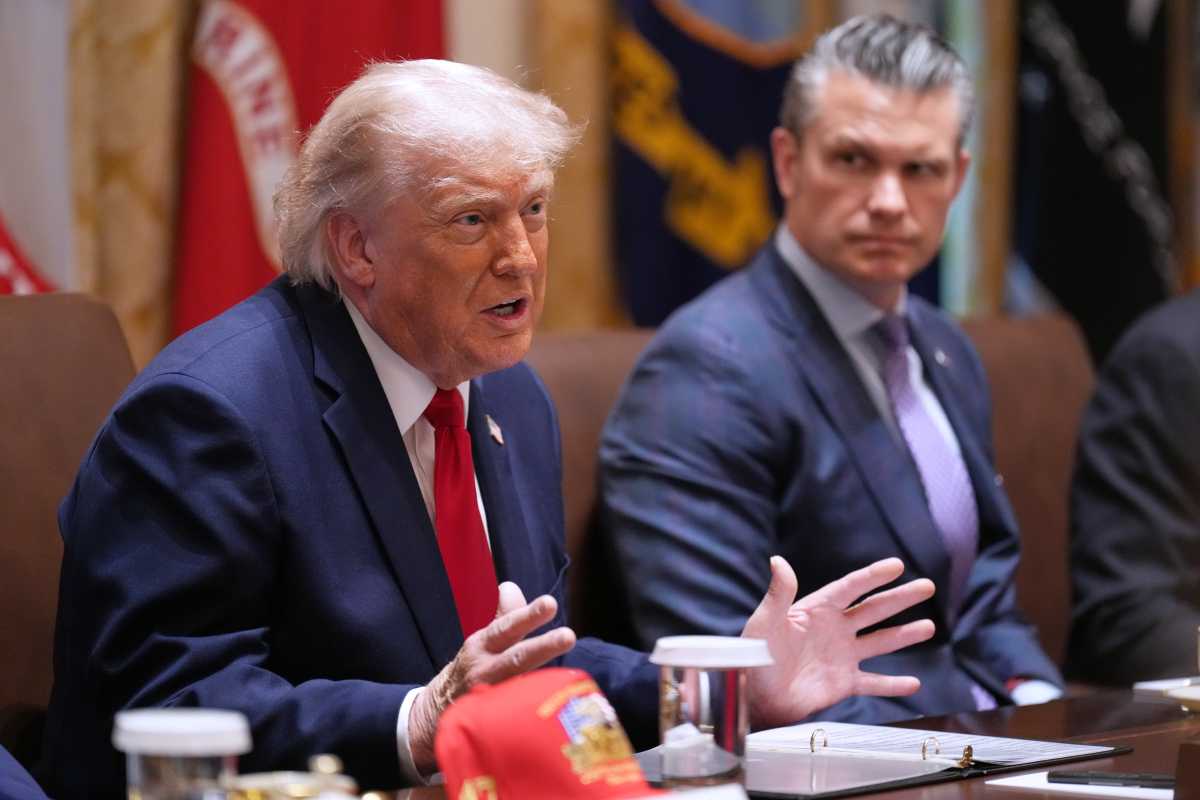
The US Senate passed a resolution that limits President Donald Trump’s ability to continue military action against Iran without Congress’s permission. The resolution, which does not require the president’s approval, highlights growing opposition in Congress and among the public to the conflict with Iran.
Key Facts
The Senate approved the war powers resolution by a 50-48 vote.
Four Republican senators joined Democrats in supporting the resolution.
The measure had already passed the House of Representatives earlier this month.
The resolution requires the president to get Congress’s approval before using military force against Iran.
President Trump sent JD Vance to Switzerland to negotiate ending the conflict with Iran.
The resolution is symbolic and does not have the force of law or require the president’s signature.
Public support for the war with Iran is low, with only 23% believing it makes the US stronger.
Since the conflict began, 13 American service members have died, and hundreds have been wounded.
Read the Original
Want the full story? Tap a source to open the original
article.
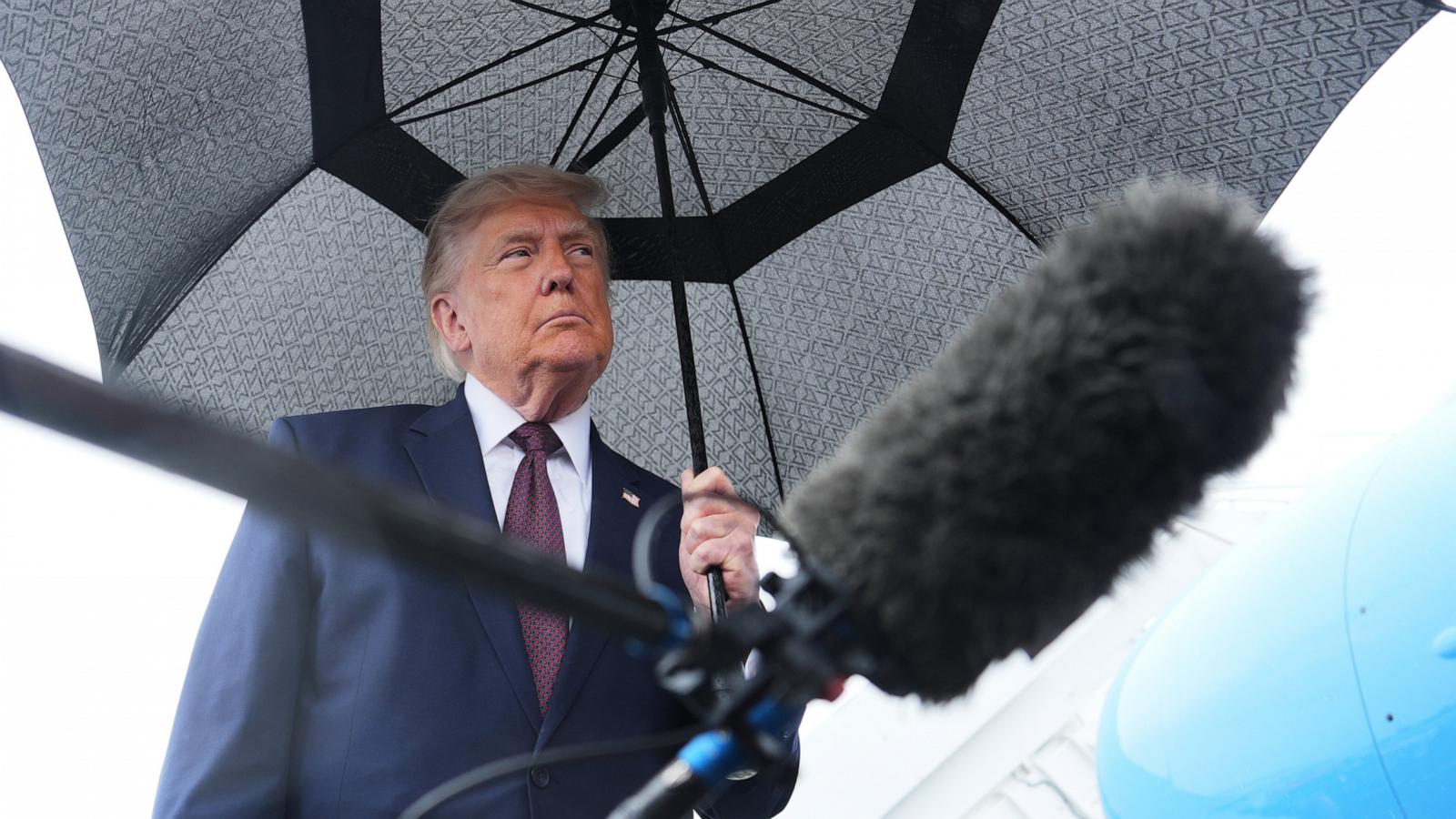
President Donald Trump responded to Iran’s foreign ministry statement saying Iran will not allow nuclear inspectors from the International Atomic Energy Agency (IAEA) into the country. He warned that if Iran blocks these inspectors, he will cancel future peace talks with Tehran.
Key Facts
Iran’s foreign ministry said it does not plan to let IAEA nuclear inspectors enter Iran.
The IAEA is an international group that checks on nuclear programs to make sure they are peaceful.
President Trump disagreed with Iran’s claim about blocking inspectors.
Trump threatened to stop peace talks with Iran if they refuse entry to inspectors.
The issue involves monitoring Iran’s nuclear activities and keeping agreements on track.
Peace talks are ongoing efforts to resolve nuclear tensions between the U.S. and Iran.
The situation is part of broader international concerns about nuclear security and diplomacy.
Read the Original
Want the full story? Tap a source to open the original
article.
India is preparing plans to deal with a weak monsoon season that has brought much less rain than usual. The weak rains could affect crops, water supplies, and the economy, as many farmers depend on the monsoon for irrigation and planting.
Key Facts
This year’s monsoon rains in India are about 43% below normal levels so far.
Monsoon rains provide around 70% of India’s yearly rainfall and are vital for farming and water supplies.
The monsoon arrived three days late in Kerala, a state in southwest India.
Nearly half of Indian farmland does not have irrigation and depends on the monsoon rains.
India’s Agriculture Minister emphasized the need to conserve water and repair water storage like reservoirs and dams.
Climate change and an El Nino weather pattern are expected to reduce rainfall further in 2024.
Mumbai received its first heavy rains after weeks of hot weather, easing some heat stress for its 22 million residents.
El Nino could cause one of the driest monsoon seasons India has seen in 11 years, raising concerns about food prices and economic growth.
Read the Original
Want the full story? Tap a source to open the original
article.
The Senate voted 50-48 to pass a resolution that aims to block further U.S. military action against Iran without Congress’s approval. Four Republican senators joined Democrats in supporting the measure, expressing concerns about war powers and the Iran conflict’s costs. The resolution is mostly a political statement and does not have the force of law.
Key Facts
The Senate passed the war powers resolution to limit President Donald Trump’s ability to continue military action against Iran without Congress’s permission.
Four Republican senators—Lisa Murkowski, Susan Collins, Rand Paul, and Bill Cassidy—voted with Democrats to approve the resolution.
Senator John Fetterman, a Democrat, voted against the resolution.
The resolution passed both the House and Senate but is not legally binding because it does not require the president’s signature.
The vote reflects disagreements within the Republican Party about military strategy and Iran policy under President Trump.
The Pentagon is requesting about $80 billion in funding related to the Iran conflict, which some lawmakers question given the war’s high costs.
A recent deal with Iran sets a 60-day period for negotiations on Iran’s nuclear program, causing debate among Republicans.
Senate Minority Leader Mitch McConnell and Senator Dave McCormick missed the vote, affecting the Republican vote count.
Read the Original
Want the full story? Tap a source to open the original
article.
Andy Burnham, mayor of Greater Manchester in the UK, is moving his focus from local city issues to national politics. He had previously proposed giving more power to local governments instead of central government in Westminster.
Key Facts
Andy Burnham is the mayor of Greater Manchester.
He has shifted focus from local city issues to the national political stage.
In 2017, Burnham suggested transferring some power from the UK central government in Westminster to local governments.
The article references a France24 debate discussing Burnham’s political position.
The article was published on June 23, 2026.
Other news topics mentioned include heatwaves in Europe, violence in Afghanistan, and the World Cup.
The article briefly notes challenges in France related to extreme heat.
No detailed information about Burnham’s current political plans or outcomes is included.
Read the Original
Want the full story? Tap a source to open the original
article.
US Secretary of State Marco Rubio arrived in Abu Dhabi to begin a tour of Gulf countries. He aims to work with regional partners to advance the peace agreement between the US and Iran, saying recent discussions have created a foundation but further talks are needed on important issues.
Key Facts
Marco Rubio is the US Secretary of State.
He arrived in Abu Dhabi, United Arab Emirates.
Rubio is starting a tour of Gulf region countries.
His goal is to support the US-Iran peace deal.
Recent talks have helped create progress for the deal.
More discussions are required to address key concerns.
Rubio is working with regional partners to move the peace process forward.
Read the Original
Want the full story? Tap a source to open the original
article.
Senator Chris Murphy said that lifting some sanctions on Iran, as part of an agreement between the U.S. and Iran, makes it more difficult to reach a full deal with Iran's government. He explained that the previous U.S. administration did not remove all sanctions before trying to negotiate.
Key Facts
Senator Chris Murphy is from Connecticut and belongs to the Democratic Party.
Murphy spoke on the TV program “All In” with Chris Hayes.
The discussion focused on sanctions relief included in an agreement between the U.S. and Iran.
Murphy said that lifting some sanctions early makes it harder to negotiate further with Iran’s government.
The previous U.S. administration under President Obama did not remove all sanctions before negotiating.
The article refers to Iran’s government as an “Islamic regime.”
The issue relates to ongoing talks about Iran’s nuclear program and diplomatic relations.
Murphy’s comments suggest caution about giving sanctions relief too soon in negotiations.
Read the Original
Want the full story? Tap a source to open the original
article.
Peruvian presidential candidate Roberto Sanchez has rejected the recent election results that show Keiko Fujimori slightly ahead. He claims the vote count was manipulated, especially for votes cast abroad, and says he will not accept a Fujimori presidency.
Key Facts
The election run-off in Peru was between left-wing Roberto Sanchez and right-wing Keiko Fujimori.
With over 99.7% of votes counted, Fujimori leads with 50.11%, and Sanchez has 49.89%.
Sanchez alleges fraud, particularly in votes from Peruvians living overseas.
Peru has around 2,506 polling stations abroad, with more than 1.2 million overseas voters.
Election authorities recently stopped requiring overseas vote tally sheets to be scanned and digitized.
Sanchez says this change made the vote count vulnerable to interference and wants overseas votes declared invalid.
Fujimori called Sanchez’s fraud claims a desperate political move.
Peru has had unstable politics with nine different presidents in the last decade and frequent fraud claims during elections.
Read the Original
Want the full story? Tap a source to open the original
article.
Shiona McCallum visits a large technology event in Paris called VivaTech. She explores new gadgets, including wearable devices, and discusses the importance and challenges of data centers with a leading industry expert.
Key Facts
The event VivaTech takes place in Paris and showcases new technology.
Shiona McCallum reports from the event, highlighting devices that could soon be used at home or work.
Data centers, which store and manage online information, are a key focus.
Data centers are essential for modern internet use but face some problems.
Shiona interviews the leader of a major global data center company about these challenges.
Wearable technology, which can be worn on the body, is also featured at the event.
The program is produced by Tom Quinn for the BBC World Service.
The show has been available for over a year.
Read the Original
Want the full story? Tap a source to open the original
article.
The Hill is providing 90 minutes of live coverage on the 2026 primary elections in Maryland, New York, and Utah. The coverage will include detailed analysis and real-time results, hosted by Cory Smith and other political reporters.
Key Facts
The event covers the 2026 primary elections in Maryland, New York, and Utah.
Live coverage runs from 8:30 p.m. to 10 p.m. Eastern Daylight Time.
Cory Smith from Sunrise on The Hill is the main anchor.
Political reporters from The Hill and Decision Desk will join the broadcast.
The coverage includes deep analysis and data tracking of primary results.
The event focuses on the U.S. election process at the state level.
It is scheduled for Tuesday, on primary night in these states.
Read the Original
Want the full story? Tap a source to open the original
article.
The Senate approved a resolution asking President Trump to remove U.S. troops from fighting in Iran. Four Republican senators voted with Democrats to support the measure, which aims to limit the president’s power as commander-in-chief.
Key Facts
The Senate vote was 50 to 48 in favor of the resolution.
The House of Representatives previously passed the same resolution by a vote of 215 to 208.
The resolution calls for President Trump to end U.S. military involvement in hostilities against Iran.
Four Republican senators joined Democrats in supporting the resolution.
The vote challenges President Trump’s current authority over military actions.
The resolution reflects concerns in Congress about the U.S. role in the Iran conflict.
This is part of a broader effort to have more congressional control over military decisions.
Read the Original
Want the full story? Tap a source to open the original
article.