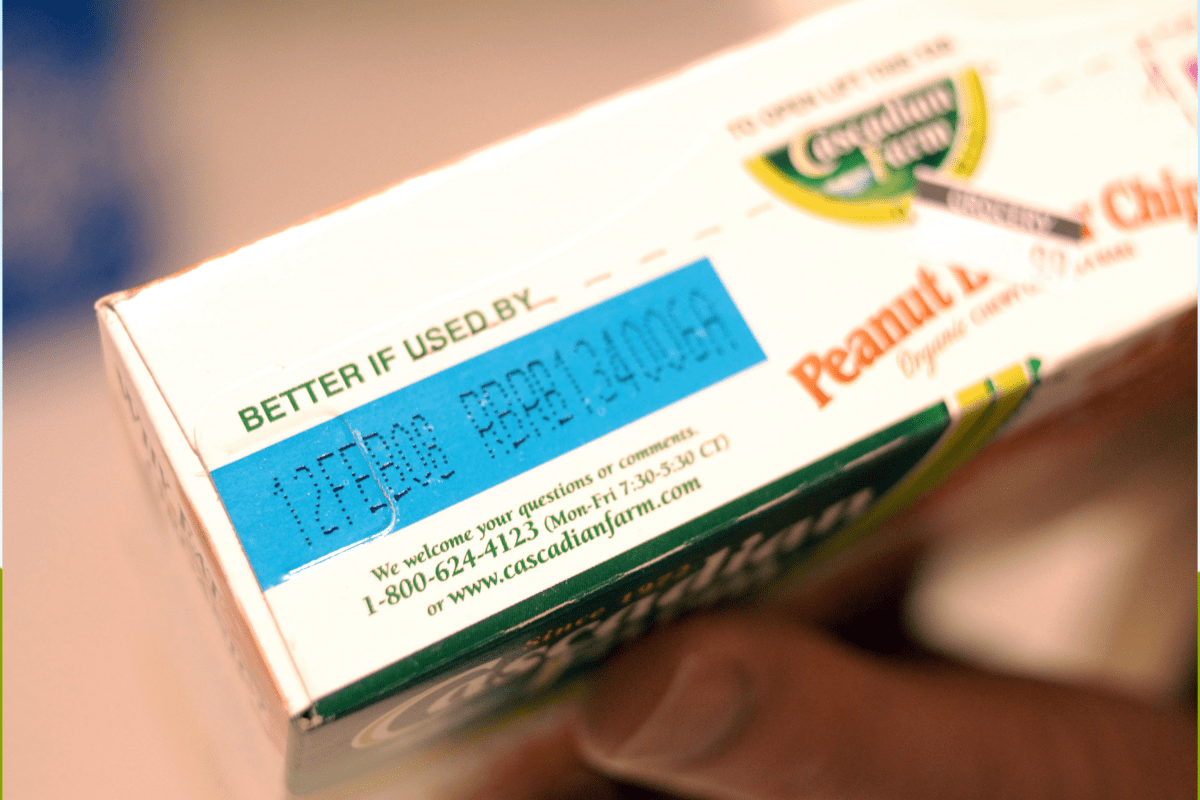
California will ban the use of "sell by" and similar unclear date labels on food starting July 1 under Assembly Bill 660. Instead, food products sold in the state must use only two clear labels: "Best if used by" for quality and "Use by" for safety, aiming to reduce confusion, food waste, and help consumers save money.
Key Facts
The new law starts on July 1 and applies only to food made on or after that date.
Only two date labels are allowed: "Best if used by" (or "BB") for quality, and "Use by" (or "UB") for safety.
"Sell by," "Expires on," and other non-standard phrases will not be permitted.
The law does not require all foods to have date labels, only regulates the wording if they appear.
Certain products like infant formula, eggs, alcohol, and shellfish are excluded because they have separate rules.
The bill was authored by Assemblymember Jacqui Irwin and received bipartisan support.
California residents discard about six million tons of food annually, partly due to label confusion.
Food waste in landfills produces methane gas, a harmful contributor to climate change.
Read the Original
Want the full story? Tap a source to open the original
article.
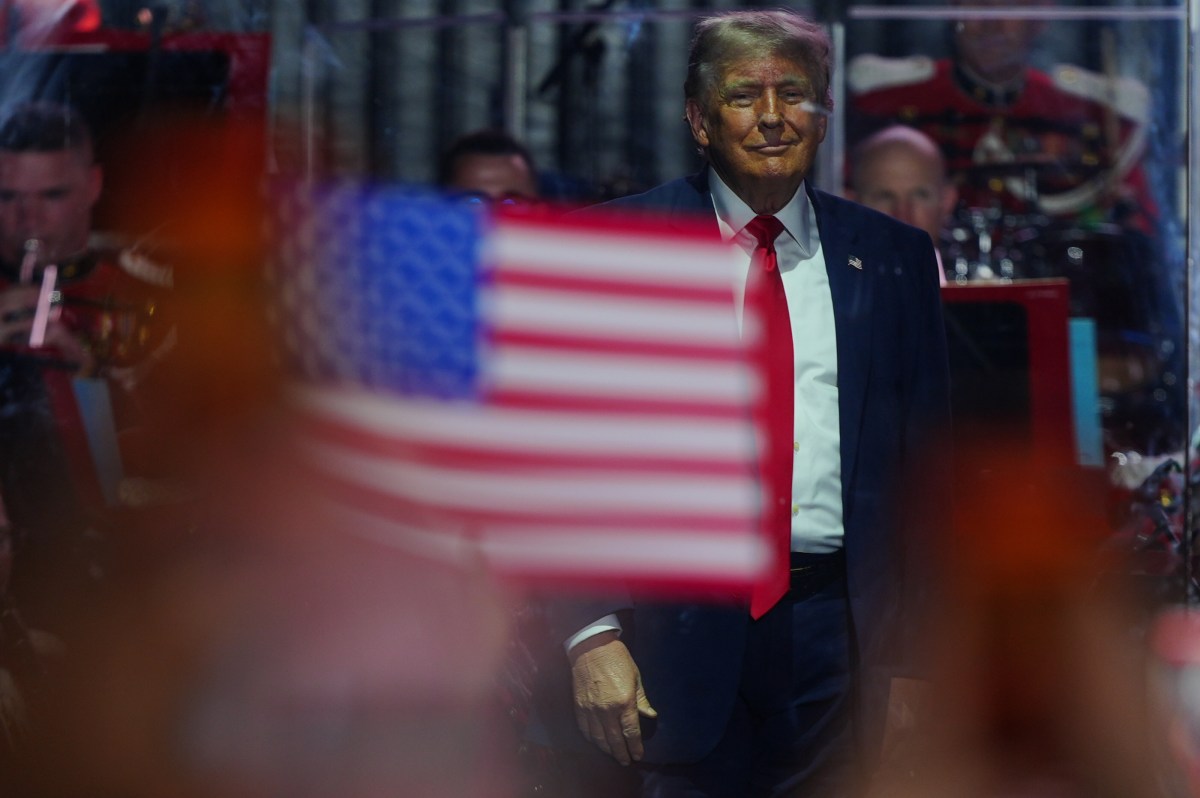
President Donald Trump has said he will not sign a major housing affordability bill until Congress passes the SAVE America Act, which focuses on voter ID laws. The Senate will not consider the SAVE Act before mid-July due to an agreed recess.
Key Facts
The 21st Century Road to Housing Act passed the Senate 85-5 and the House 358-32, aiming to lower housing costs.
President Trump canceled the bill signing event, demanding the passage of the SAVE America Act first.
The SAVE America Act would add stronger voter ID requirements.
Critics say the SAVE Act could exclude many Americans from voting.
Senate Majority Leader John Thune arranged a recess until July 13, with no votes or debates planned before then.
Some senators, including Senator Mike Lee, are frustrated the SAVE Act is delayed.
Senator Elizabeth Warren called Trump’s veto decision surprising and harmful to families.
Senate Republicans hope President Trump will eventually sign the housing bill.
Read the Original
Want the full story? Tap a source to open the original
article.
Kenya marked the second anniversary of protests that turned deadly in 2024. On June 25, 2024, young people protested against economic problems and corruption, and some stormed the parliament. Each year, people hold marches to remember those who died and to show frustration with President William Ruto.
Key Facts
The protests happened on June 25, 2024, led mainly by young people.
Demonstrators were opposing economic hardship and corruption in Kenya.
Protesters stormed the Kenyan parliament during these events.
People killed during the protests are remembered in annual marches.
The marches also express ongoing frustration with President William Ruto’s leadership.
The protests and their anniversary receive coverage from international news sources like France 24 and AFP.
The issues behind the protests include economic challenges and political concerns.
Police brutality was reported during the protests.
Read the Original
Want the full story? Tap a source to open the original
article.
Homeowners in the U.S. currently have large amounts of home equity they can borrow against. A $100,000 home equity loan now costs between about $900 and $1,160 per month, which is cheaper than earlier this year and generally less expensive than using credit cards or personal loans.
Key Facts
The average home equity loan interest rate is 6.98% as of June 25, 2026.
Monthly payments for a $100,000 loan are about $1,160 for 10 years or $898 for 15 years at this rate.
Earlier in 2026, rates were higher (around 8.1-8.2%), making monthly payments more expensive.
Home equity loans have a fixed interest rate, so monthly payments stay the same during the loan term.
Borrowers must keep at least 20% equity in their home when borrowing.
The home serves as collateral, meaning the lender can take it if the loan is not repaid.
Home equity loans provide a lump sum that can be used for major expenses or to pay off higher-interest debts.
Borrowers can refinance their loans if interest rates decrease in the future.
Read the Original
Want the full story? Tap a source to open the original
article.
The US Supreme Court ruled that government officials can block asylum seekers at the southern border if they have not yet entered the United States. This decision allows the Trump administration to restart a policy called “metering,” which limits the number of people allowed to apply for asylum at the border.
Key Facts
The Supreme Court ruled 6-3 in favor of allowing border agents to turn away asylum seekers outside US soil.
“Metering” is a policy where immigration agents physically block asylum seekers from crossing the border.
Justice Samuel Alito wrote that people waiting in Mexico have not “arrived in the United States” and so cannot legally demand asylum.
The ruling reversed a lower court’s decision that had outlawed “metering.”
The policy existed under President Obama but was formalized and expanded by President Trump during his first term.
President Biden ended the metering practice in 2021.
Justice Sonia Sotomayor dissented, arguing the ruling allows the government to avoid legal asylum protections.
The ruling also followed another decision allowing the Trump administration to revoke Temporary Protected Status from some Haitian and Syrian nationals living in the US.
Read the Original
Want the full story? Tap a source to open the original
article.
Western intelligence agencies warn that advanced artificial intelligence (AI) is speeding up cyberattacks on critical infrastructure like power grids and hospitals. The U.S. government has limited access to some AI models to prevent their misuse in hacking, and allied countries issued a joint warning about growing AI-driven cyber risks.
Key Facts
The U.S. restricted access to advanced AI models from Anthropic due to concerns about misuse in cyberattacks.
The Five Eyes alliance (U.S., UK, Canada, Australia, New Zealand) issued a joint advisory on June 22, 2026, about AI’s increasing role in cyber threats.
AI can identify software weaknesses faster and help attackers plan and launch cyberattacks more quickly than before.
Cyberattacks targeting critical sectors like healthcare, energy, and transportation increased, with AI making attacks easier and more scalable.
Infrastructure like power grids and water systems is more vulnerable as these systems connect to the internet.
AI tools can scan many internet-connected devices at once to find security gaps that hackers can exploit.
Experts say AI shifts the advantage to attackers by reducing the time from finding a weakness to attacking it.
U.S. officials now treat some advanced AI systems as national security issues and apply export controls to them.
Read the Original
Want the full story? Tap a source to open the original
article.
The Federal Reserve’s preferred inflation measure rose to its highest level in three years in May due to higher gas prices and costs for computer parts used in AI technology. Inflation reached 4.1% over the past year, pushing the Fed to keep interest rates steady while some experts think rates might rise later this year.
Key Facts
Inflation increased 4.1% in May compared to one year earlier, the largest rise since April 2023.
Monthly inflation was 0.4% in May, the same as April, down from 0.7% in March.
Rising gas prices and more expensive computer chips helped drive up inflation.
The Federal Reserve has kept interest rates steady this year after planning rate cuts in January.
New Fed chair Kevin Warsh confirmed the goal to reduce inflation to 2% but did not specify new actions.
Some economists predict the Fed might raise interest rates again this year.
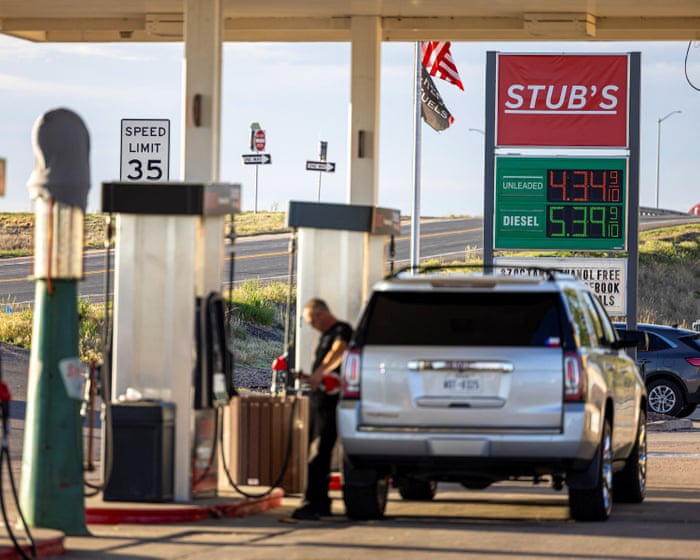
Gas prices peaked near $4.50 a gallon in May before falling to about $3.92, still over 20% higher than last year.
Consumer spending and incomes rose slightly after adjusting for inflation in May.
Read the Original
Want the full story? Tap a source to open the original
article.
A new report analyzed about 2,500 Amazon products and found that most Prime Day discounts were not the lowest prices these items had ever reached. Less than 13 percent of products dropped to a new low price during the event, suggesting many deals were similar to or higher than previous discounts.
Key Facts
The report examined Amazon product prices from May 22 to June 23, 2026.
Only 12.5 percent of discounted products hit a new lowest price on Prime Day.
About 44.7 percent matched previous promotional lows, meaning prices were not new discounts.
Around 42.8 percent of deals were actually higher than earlier low prices.
Certain categories, like Movies & TV and Toys & Games, had many deals that weren’t genuine price drops.
Categories such as Health & Personal Care and Beauty showed better-quality discounts.
Experts advise shoppers to compare prices and use price tracking tools to find true bargains.
The data covers only products with usable price history and may not represent all Amazon products.
Read the Original
Want the full story? Tap a source to open the original
article.
Fighting in western Sudan’s Darfur region forced thousands of people to flee to eastern Chad. Many displaced families live without shelter, food, or water while facing harsh conditions and ongoing danger.
Key Facts
On June 15, the Rapid Support Forces (RSF) launched an attack in the Orchi area of North Darfur, Sudan.
The attack destroyed ten villages, including homes, markets, and livestock.
Thousands of people fled across the border into Chad, where they stay in refugee camps with minimal shelter.
Essential resources like food, water, and medicine are scarce or unavailable.
The destruction of the Orchi water reservoir cut off water supplies to the region.
Displaced families survive by eating tree leaves and using contaminated water found in puddles.
Drones patrol the area, continuing to target water sources, livestock, and homes, preventing people from returning.
Many children and mothers suffer from hunger and exhaustion in the refugee camps.
Read the Original
Want the full story? Tap a source to open the original
article.
When someone dies, their unpaid medical bills do not automatically become the responsibility of family members. Instead, these debts are paid from the person’s estate, and family members only pay if they co-signed the bills, live in certain states, or under specific laws.
Key Facts
Unpaid medical bills become claims against the deceased person's estate, not the family directly.
The estate’s executor pays valid debts from the estate before giving money to heirs.
Medical debt is "unsecured," so it is lower priority compared to funeral costs, taxes, and other debts.
If the estate lacks enough money, unpaid medical bills may go unpaid and usually end there.
Family members who co-signed medical bills are responsible for paying them.
In community property states, a surviving spouse may be liable for medical bills incurred during the marriage.
Some states have laws that can require adult children to pay for an elderly parent's medical or long-term care costs.
States may recover Medicaid costs for nursing home or home care through estate recovery, often by claiming property.
Read the Original
Want the full story? Tap a source to open the original
article.
Senator Bill Cassidy of Louisiana changed his vote on a bill that would limit President Trump's authority to take military action in Iran. He decided to change after receiving a briefing from a Middle East envoy during a tense meeting with President Trump.
Key Facts
Senator Bill Cassidy initially supported a measure led by Democrats to restrict President Trump's war powers in Iran.
He changed his vote after getting a briefing from Middle East envoy Steve Witkoff.
Cassidy passed a note during a heated meeting with President Trump asking for the briefing.
Cassidy told this story during an interview on "Face the Nation."
The interview was with moderator Margaret Brennan and aired on CBS News.
The bill aimed to limit the president’s authority to act militarily in Iran without Congress’s approval.
Cassidy’s change shows the impact of receiving more information before making a decision.
Read the Original
Want the full story? Tap a source to open the original
article.
Justice Sonia Sotomayor strongly disagreed with a Supreme Court decision that allowed the Trump administration to bring back a border policy. This policy lets officials block some asylum seekers who do not cross the border physically to enter the United States.
Key Facts
The Supreme Court ruled in favor of reviving a Trump-era immigration policy.
The policy blocks certain asylum seekers if they did not cross the southern border physically.
Justice Sotomayor issued a strong dissent, expressing serious concerns.
She warned that the decision could lead to more deaths among migrants.
Sotomayor is the most senior liberal justice on the Supreme Court.
The policy was originally introduced during President Trump’s time in office.
The court’s decision changes how asylum seekers are processed at the border.
Read the Original
Want the full story? Tap a source to open the original
article.
There is speculation that Taylor Swift and Travis Kelce might hold their wedding at Madison Square Garden (MSG) in New York City during the July Fourth weekend. A permit to close streets near MSG has been filed for that time, and some sources, including city officials, hinted the venue could host the event, but no official confirmation exists.
Key Facts
Taylor Swift and Travis Kelce got engaged last August.
A permit was filed to close streets near Madison Square Garden for an event on July Fourth weekend.
A city official suggested MSG may host their wedding.
New York City Mayor Zohran Mamdani mentioned the wedding might happen during the July 4th holiday weekend.
MSG's design offers privacy with no windows and secluded entrances.
NFL player George Kittle confirmed he was invited but doesn’t know the wedding details.
Fans and some media express doubt about the MSG wedding speculation.
Taylor Swift has strong ties to New York, including owning an apartment downtown.
Read the Original
Want the full story? Tap a source to open the original
article.
A Paris court ruled that the French oil company TotalEnergies must reveal the climate risks related to its oil and gas products and update its plans to address these risks. This decision supports efforts to apply France’s corporate duty of vigilance law to climate change but does not require TotalEnergies to reduce production or stop new fossil fuel projects.
Key Facts
The Paris court requires TotalEnergies to disclose climate risks linked to emissions from its products.
The ruling partially applies France’s 2017 corporate duty of vigilance law to the climate crisis.
The court said TotalEnergies’ climate risk plan was incomplete and must include emissions from users of its products (called Scope 3 emissions).
NGOs and the city of Paris brought the case, arguing TotalEnergies should account for indirect emissions from customers.
The court did not order TotalEnergies to limit oil and gas production or stop new fossil fuel projects.
TotalEnergies argued that cutting production would not stop climate change and that the company represents less than 2% of global fossil fuel output.
The city of Paris called the ruling a historic step in French climate law.
The case is part of a larger trend where courts address companies’ responsibilities for climate change.
Read the Original
Want the full story? Tap a source to open the original
article.
Zimbabwe’s senate has approved a constitutional amendment that extends the president’s term from five to seven years and allows parliament to choose the president instead of a direct election. Supporters say the changes will bring stability, while opponents call it a “constitutional coup” removing citizens’ right to elect their leader.
Key Facts
The Zimbabwean senate voted 75-4 to approve the constitutional amendment.
The amendment extends presidential terms to seven years and changes the election method to parliamentary appointment.
The lower house approved the bill last week, and it is expected to become law next month.
President Emmerson Mnangagwa could remain in power until 2030 under the new rules.
Opposition groups say the amendment reduces democracy and risks increasing repression.
The government denies these claims and says the changes promote political stability.
Critics report harassment and violence against those opposing the amendments.
The government says over 537,000 public submissions mostly supported the changes.
Read the Original
Want the full story? Tap a source to open the original
article.
Teachers in France are protesting unsafe working conditions as a severe heatwave causes school temperatures to reach up to 40°C (104°F). Despite the heat, national exams are continuing with some accommodations like morning exam times, water breaks, and fewer students per room.
Key Facts
France is experiencing a heatwave with temperatures up to 40°C in some schools.
Education unions say schools are not prepared and called for strikes over health risks.
About 3,500 schools were closed due to heat; 10,000 schools shortened hours.
French school buildings often lack air conditioning and insulation, causing classrooms to become very hot.
The "brevet" exams for around 850,000 15-year-olds are still happening, mostly in the mornings.
Measures include spacing desks, providing water, and allowing breaks during exams.
Some students and examiners have fainted or needed care due to the heat during oral exams.
The Paris region provided emergency funds to buy fans and cooling equipment for schools.
Read the Original
Want the full story? Tap a source to open the original
article.
A small commuter plane made an emergency crash landing in Alaska. Passenger Brett Fillipi recorded the event, and fortunately, all people on the plane survived.
Key Facts
The plane was a small commuter aircraft flying over Alaska.
An emergency occurred that forced the plane to crash land.
Passenger Brett Fillipi filmed the crash landing.
Everyone on board survived without fatal injuries.
The incident was reported by CBS News correspondent Kris Van Cleave.
Read the Original
Want the full story? Tap a source to open the original
article.
New emails reveal that Robert F. Kennedy Jr. was on a vaccine-related mission during his 2019 trip to Samoa, contradicting his Senate testimony that the visit had nothing to do with vaccines. His group, known for opposing vaccines, visited Samoa when vaccination rates were very low due to a recent vaccine scare and measles outbreak.
Key Facts
Robert F. Kennedy Jr. visited Samoa in 2019 before a deadly measles outbreak that killed 83 people.
Kennedy told the Senate his trip was not about vaccines but to attend a celebration and introduce medical software.
New emails show Kennedy’s colleague called the trip a “mission” to study vaccination data in Samoa.
Kennedy was chairman of Children’s Health Defense, a nonprofit group that opposes vaccines.
Samoa stopped vaccinations for 10 months after two infants died from a bad vaccine dose in 2018.
Kennedy’s group contacted Samoan officials to study medical records during the vaccination pause.
Officials said Kennedy’s visit increased the influence of anti-vaccine activists in Samoa.
Some US lawmakers said Kennedy may have lied to the Senate about the trip’s purpose.
Read the Original
Want the full story? Tap a source to open the original
article.
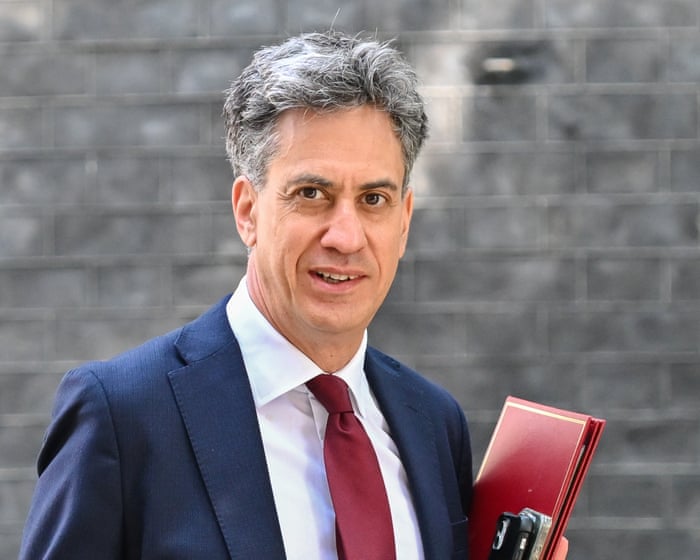
The leader of Britain's largest trade union, Unison, has supported Ed Miliband to become chancellor if Andy Burnham becomes prime minister. Miliband faces competition from Wes Streeting, with differing views on economic policies, while Burnham prepares to announce his government team.
Key Facts
Unison’s general secretary Andrea Egan endorsed Ed Miliband for chancellor.
Miliband and Wes Streeting are the main contenders to replace Rachel Reeves as chancellor.
Andy Burnham recently became a Member of Parliament and is expected to become prime minister soon.
Burnham will give a major speech on devolution and the economy in Manchester.
Miliband is seen as more aligned with trade unions and left-wing policies.
Streeting is considered more business-friendly and supports private sector involvement.
Some unions oppose Miliband due to his stance on limiting North Sea oil licenses.
Burnham appointed James Purnell, a former colleague, as his chief of staff, causing some party tensions.
Read the Original
Want the full story? Tap a source to open the original
article.
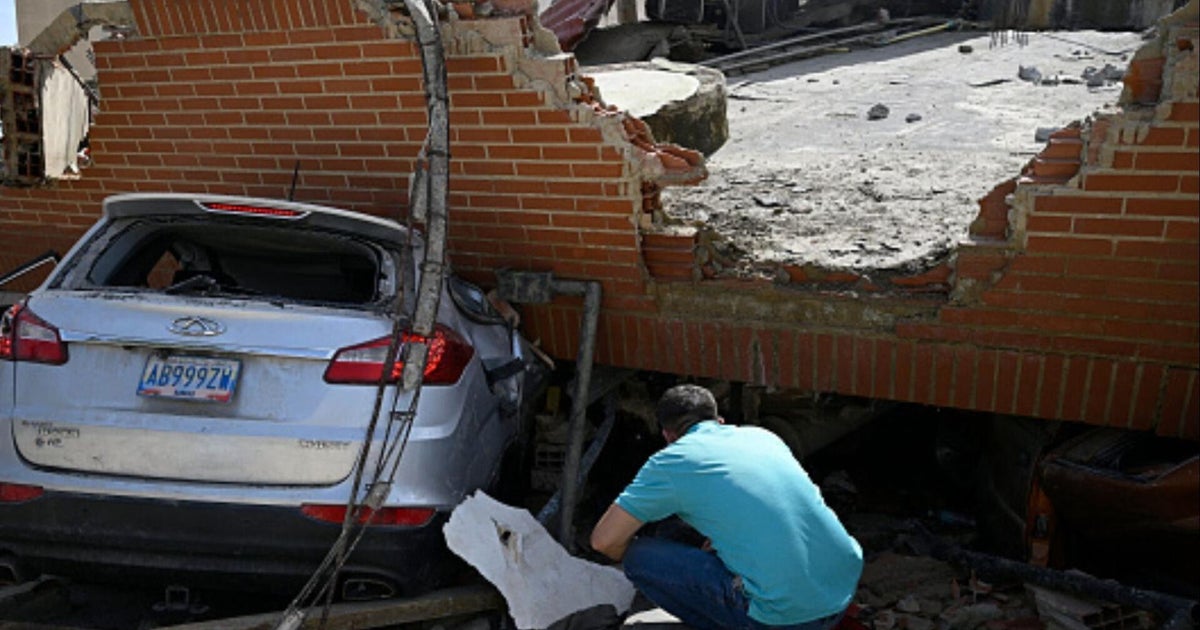
Two earthquakes hit Venezuela, causing buildings to collapse and killing dozens of people. Rescue teams are working to find survivors, and several countries, including the U.S., are sending help.
Key Facts
Venezuela experienced two earthquakes in a short time.
Many buildings fell down because of the shaking.
Dozens of people have died due to the earthquakes.
Rescue workers are searching for people trapped under rubble.
The United States and other countries are providing aid to Venezuela.
A geophysics professor explained the science behind the aftershocks.
Survivors described feeling scared and praying as the building shook.
Read the Original
Want the full story? Tap a source to open the original
article.