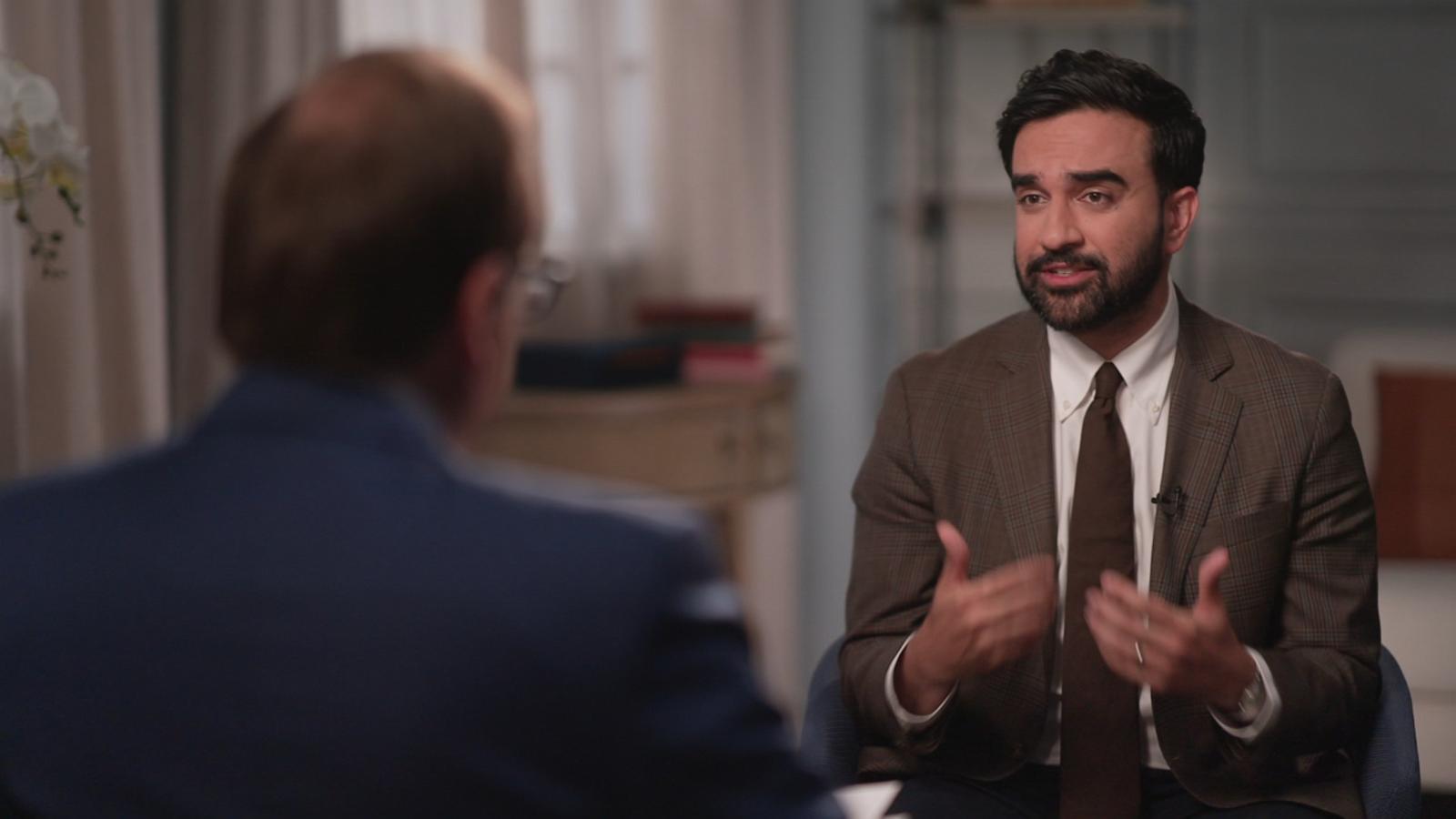
New York City Mayor Zohran Mamdani said that democratic socialist candidates can win elections anywhere in the United States for any position. He supported three candidates who all won their Democratic primary races in New York, and he believes their message about helping working people is popular nationwide.
Key Facts
Zohran Mamdani is the mayor of New York City.
Mamdani endorsed three democratic socialist candidates: Claire Valdez, Darializa Avila Chevalier, and Brad Lander.
All three candidates won their Democratic primary races in New York.
Two of these candidates defeated current Democratic office holders.
Mamdani says their political message focuses on improving life for working people.
He believes this message will appeal to voters across the U.S., not just in New York.
Some prominent Democrats disagree and think democratic socialists won’t succeed outside of liberal areas like New York City.
Mamdani says the Democratic Party can include a wide range of views while standing firm on supporting working people.
Read the Original
Want the full story? Tap a source to open the original
article.
Iran launched drone and missile attacks on Bahrain and Kuwait after recent U.S. airstrikes against Iran. Iran warned it might fully stop peace talks if the U.S. continues attacks, while discussions on controlling the Strait of Hormuz and sanctions are ongoing.
Key Facts
Iran attacked Bahrain and Kuwait with drones and missiles following U.S. strikes on Iranian targets.
These attacks targeted Gulf states that host U.S. military forces, including Bahrain’s U.S. Navy 5th Fleet base and a major U.S. base in Kuwait.
Iran demands control over the Strait of Hormuz, a key waterway for global oil shipments, and opposes U.S.-led routes near Oman.
Talks mediated by Pakistan between the U.S. and Iran are scheduled to continue, focusing on the strait, sanctions, and Iran’s uranium stockpile.
No injuries were reported in Bahrain and Kuwait; some property damage occurred near Bahrain’s airport.
Qatar reported one civilian death and one injury related to regional military actions.
The U.S. struck Iranian military facilities after an Iranian drone hit a merchant ship near Oman.
President Donald Trump warned Iran about violating the ceasefire and suggested the U.S. might take stronger military action if needed.
Read the Original
Want the full story? Tap a source to open the original
article.
Senator Raphael Warnock, who is also a Baptist pastor, reacted to Vice President Vance's criticism of Pope Leo XIV. Warnock said he appreciates that Vance shared his personal religious experience in a new book but expressed concern about using faith in political arguments.
Key Facts
Senator Raphael Warnock represents Georgia and is a Baptist pastor.
Vice President Vance criticized Pope Leo XIV.
Vance wrote a new book called "Communion: Finding My Way Back to Faith."
Warnock appeared on CNN’s “State of the Union” to talk about this topic.
Warnock said his faith is not a weapon for political attacks.
Warnock is glad Vance shared his personal faith journey.
The discussion centers around faith and politics.
Read the Original
Want the full story? Tap a source to open the original
article.
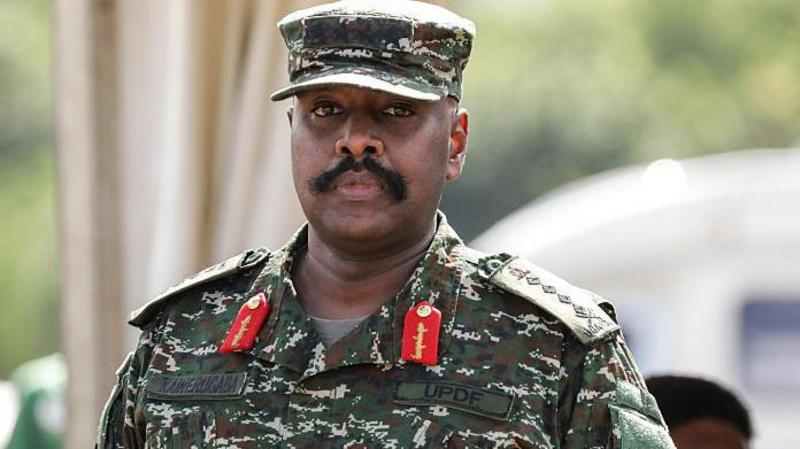
Uganda's army chief, General Muhoozi Kainerugaba, who is the son of President Yoweri Museveni, ordered the closure of major independent media outlets including TV stations and newspapers. Armed soldiers blocked access to these media offices in the capital, and the general declared that all media must follow government rules.
Key Facts
General Muhoozi Kainerugaba is the army chief and son of President Museveni.
The Nation Media Group outlets such as Daily Monitor, NTV, and Spark TV were shut down and taken off air.
Soldiers were stationed outside media headquarters in Kampala to enforce the closure.
Gen Kainerugaba stated he does not believe in a free press and that media should be controlled by the government.
President Museveni has been in power for about 40 years and recently won his seventh term.
Opposition and human rights groups accuse the government of repressing independent voices.
Previous crackdowns on media include forced closures and police raids over critical reporting.
The National Broadcasters Association says the shutdown violates Uganda’s constitution.
Read the Original
Want the full story? Tap a source to open the original
article.
Senator Mark Kelly criticized the Biden administration's handling of the U.S. southern border, saying it created problems by allowing undocumented immigrants to enter. He also said he feels free to disagree with President Donald Trump without facing backlash.
Key Facts
Senator Mark Kelly is from Arizona and a member of the Democratic Party.
Kelly criticized the Biden administration's border policies.
He said these policies created a crisis at the southern border.
According to Kelly, welcoming policies made it easier for undocumented immigrants to enter the U.S.
Kelly said he can criticize President Trump without fear of retaliation.
The focus is on immigration policy and border security.
The article discusses political views related to U.S. border management.
Read the Original
Want the full story? Tap a source to open the original
article.
New fighting has started in the Gulf only 10 days after Iran and the US signed an agreement to stop conflict. The agreement used broad language that both sides interpret differently. This has caused confusion and disagreements, especially over a ceasefire in Lebanon and the safe passage of ships through the Strait of Hormuz.
Key Facts
Iran and the US signed a 14-point memorandum to end conflict in the Gulf.
The memorandum uses vague terms, especially about Lebanon’s ceasefire and the Strait of Hormuz.
Two different ceasefire agreements exist in Lebanon: one involving Iran and its proxy Hezbollah, and another excluding them.
The Lebanese government and Israel signed a ceasefire that allows Israeli forces to stay in southern Lebanon until Hezbollah disarms.
Hezbollah and Iran likely do not accept the ceasefire signed by Lebanon and Israel.
The agreement said Iran would help keep commercial ships safe in the Strait of Hormuz for 60 days but was unclear about how.
Iran appeared to agree with the UN and Oman on a plan to allow ship evacuation but then restricted ships to only one route through the strait.
The lack of clarity and different interpretations are causing the deal to break down and increase tensions.
Read the Original
Want the full story? Tap a source to open the original
article.
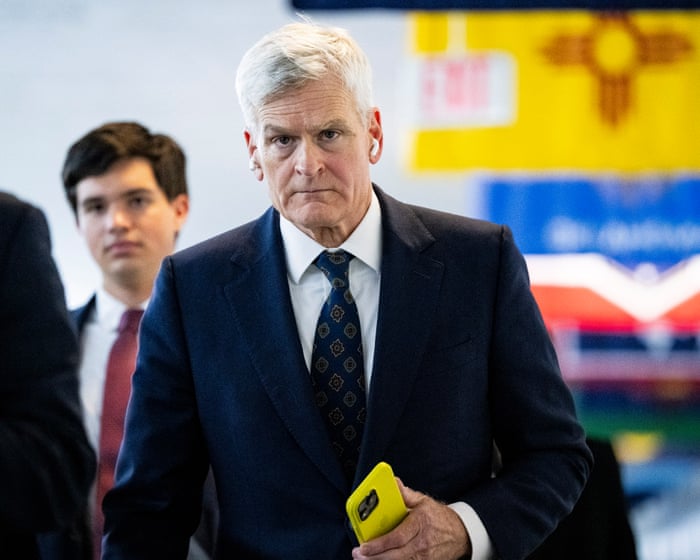
Senator Bill Cassidy criticized President Trump for not keeping Congress informed about the conflict with Iran, saying Trump treats Congress like a minor part of government. Cassidy clashed with Trump over this issue but later received a briefing and dropped support for a resolution limiting war powers. Cassidy also expressed concern about the government’s focus on voting laws instead of helping American families with their expenses.
Key Facts
Senator Bill Cassidy is leaving his Senate seat after President Trump backed a challenger who won the primary runoff.
Cassidy accused President Trump of ignoring Congress’s constitutional role in being briefed on the Iran conflict.
Cassidy and three other Republican senators supported a war powers resolution to check the president’s authority.
Trump criticized them for this, leading to a heated argument with Cassidy.
After getting a briefing from Vice-President JD Vance and a special envoy, Cassidy stopped supporting the resolution.
Cassidy previously voted to convict President Trump in the impeachment trial over the January 6 Capitol attack.
He criticized Trump’s focus on new voting restrictions and urged him to prioritize economic issues affecting families.
Cassidy questioned the progress of the Iran war, citing costs of $29 billion and 13 American deaths so far.
Read the Original
Want the full story? Tap a source to open the original
article.
Many Australians unknowingly own shares in big US tech companies through their retirement savings in superannuation funds. These funds invest globally, including in companies like SpaceX and other artificial intelligence (AI) firms, raising questions about ethics and financial risks.
Key Facts
Australian superannuation funds (retirement savings) invest about 12% of their portfolios in AI-related and big US tech companies.
The "magnificent seven" tech companies include Nvidia, Alphabet (Google), Apple, Microsoft, Amazon, Meta (Facebook), and Tesla.
Super funds invest internationally to improve returns, often following global market indexes dominated by US tech stocks.
SpaceX recently made the world’s largest stock market debut, with Australian average exposure around $50 per super fund member.
Some experts raise ethical concerns about investing in AI, including privacy, job loss, and energy use.
Super funds focus on returns but face pressure to explain the ethical impact of their investments.
Exposure to tech stocks may increase financial risk because of portfolio concentration.
Australian Retirement Trust, a major super fund, supports investing in technology without strong ethical objections so far.
Read the Original
Want the full story? Tap a source to open the original
article.
The Drug Enforcement Administration (DEA) is thinking about changing marijuana’s legal status from Schedule I to Schedule III. This change would mean that cannabis is officially recognized as having accepted medical uses, but the evidence for its medical benefits is not strong enough to support this.
Key Facts
The DEA is considering moving marijuana from Schedule I to Schedule III under U.S. drug laws.
Schedule I drugs are considered to have no accepted medical use and a high potential for abuse.
Schedule III drugs are seen as having accepted medical uses and less potential for abuse.
Moving marijuana to Schedule III would officially recognize its medical use.
Experts say the scientific evidence does not currently support marijuana’s medical use fully.
Some people believe this decision should be based on scientific facts, not politics.
The Controlled Substances Act is the law that classifies drugs into different schedules based on safety and medical use.
Read the Original
Want the full story? Tap a source to open the original
article.
Senator Rick Scott from Florida said he does not trust the Qatari government in the talks between the U.S. and Iran. He told a news program that Qatar is not a friend to the United States because of its connection with Iran.
Key Facts
Senator Rick Scott is from Florida and is a member of the Republican Party.
Scott spoke on the show "Fox News Sunday."
He expressed concern about Qatar’s role in the U.S.-Iran negotiations.
Scott said Qatar is not a friend of the United States.
He criticized Qatar’s ties with Iran.
The comments came during discussions around diplomatic talks with Iran.
Read the Original
Want the full story? Tap a source to open the original
article.
Senator Raphael Warnock responded to chants of “you’re next” aimed at House Minority Leader Hakeem Jeffries by members of the Democratic Socialists of America during a New York primary event. The chants happened at a bar while DSA members were attending the election.
Key Facts
The chants said “you’re next” and were directed at Hakeem Jeffries.
The group chanting was the Democratic Socialists of America (DSA).
The event took place during the New York primary election.
The chanting happened at a bar.
Senator Raphael Warnock commented on the chants.
Hakeem Jeffries is the House Minority Leader and a Democrat from New York.
The incident was reported and shared by CNN journalist Jake Tapper.
Read the Original
Want the full story? Tap a source to open the original
article.
President Donald Trump warned that the U.S. might have to finish military actions against Iran after recent U.S. strikes responding to a drone attack in the Strait of Hormuz. Iran retaliated with missile and drone attacks on Bahrain and Kuwait, increasing tensions in the region.
Key Facts
The U.S. launched airstrikes on multiple targets in Iran following a drone attack on a cargo ship in the Strait of Hormuz.
President Trump said the U.S. may be forced to "militarily complete the job," threatening that Iran "will no longer exist" if conflict continues.
Iran responded by attacking U.S. bases in Bahrain and Kuwait with drones and missiles.
Iran warned any challenge to its control over the Strait of Hormuz would raise tensions further.
Countries like Italy, Jordan, and the UAE condemned Iran’s attacks and called for avoiding escalation.
JD Vance, U.S. Vice President, stated the U.S. will come out stronger whether a final deal with Iran is reached or not.
Iran’s foreign minister met Iraqi officials to discuss security cooperation in the Gulf region.
President Trump announced Lance Schroyer as nominee for director of U.S. Immigration and Customs Enforcement (ICE).
Read the Original
Want the full story? Tap a source to open the original
article.
New York City Mayor Zohran Mamdani said he does not want to change the Constitution to allow people who were not born in the U.S. to run for president. Mamdani, who was born in Uganda, made this statement during a Sunday interview with ABC News.
Key Facts
Zohran Mamdani is the Mayor of New York City.
He is a member of the Democratic Party and identifies as a democratic socialist.
Mamdani was born in Uganda, not the United States.
The U.S. Constitution currently requires the president to be a natural-born citizen.
Mamdani does not support changing this rule in the Constitution.
His political support is growing at the national level.
The statement was made during an interview on ABC News.
The topic relates to eligibility rules for running for U.S. president.
Read the Original
Want the full story? Tap a source to open the original
article.
Senator Bill Cassidy talked about his recent meeting with President Donald Trump and Senate Republicans, and why he changed his vote on a resolution about war powers concerning Iran. The program also featured Senator Tim Kaine and CBS News legal correspondent Jan Crawford.
Key Facts
The discussion was on the show "Face the Nation" with Margaret Brennan.
Senator Bill Cassidy spoke about a meeting with President Trump and Senate Republicans.
Cassidy explained why he changed his vote on the Iran war powers resolution.
Senator Tim Kaine was a guest on the show.
Jan Crawford, CBS News chief legal correspondent, also participated in the discussion.
The show aired on CBS News on June 28.
Read the Original
Want the full story? Tap a source to open the original
article.
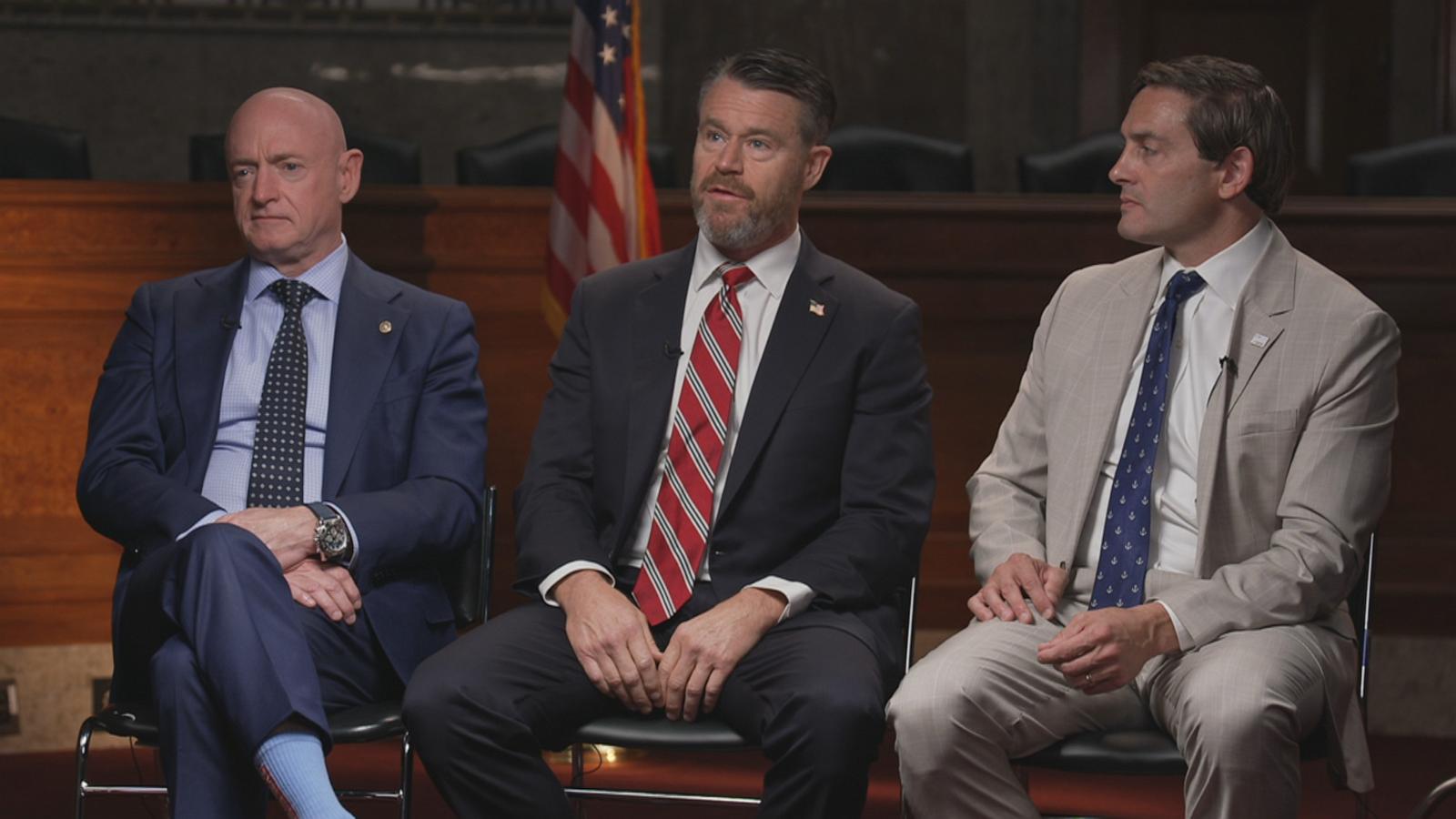
Two U.S. senators, Mark Kelly (Democrat) and Todd Young (Republican), spoke about the importance of working together despite political differences as the nation marks its 250th anniversary. Both emphasized the courage needed from elected officials to make tough decisions for the good of the country, even if those decisions are unpopular.
Key Facts
Senators Mark Kelly and Todd Young appeared together to promote bipartisanship.
Both senators are military veterans, with Kelly a retired Navy captain and astronaut, and Young a former Marine.
They believe courage in politics means doing what is right, even if it risks political harm or disagreement from allies.
Kelly and Young are featured in a book called "Courage Can Save US" by Rye Barcott.
The book highlights veterans and other public servants who pledge to serve with integrity and work across party lines.
They have worked together on legislation to improve U.S. shipbuilding and maritime industries to compete with China.
President Donald Trump once accused Senator Kelly and others of sedition over a video about refusing illegal orders, but no charges were filed.
Young and Kelly maintain communication and trust to navigate political challenges and focus on solving problems.
Read the Original
Want the full story? Tap a source to open the original
article.
New York City Mayor Zohran Mamdani said he believes a democratic socialist can win elections anywhere in the United States, including the presidency. He shared this view during an interview on ABC’s “This Week.”
Key Facts
Zohran Mamdani is the mayor of New York City.
Mamdani identifies as a democratic socialist. This means he supports a political system combining democracy with some government control of important resources.
He thinks a democratic socialist candidate can be elected to any office across the country.
The statement was made during an interview with Jonathan Karl on ABC’s show “This Week.”
The interview aired on a Sunday.
The article mentions a recent event involving a group of House members, but does not give details.
Read the Original
Want the full story? Tap a source to open the original
article.
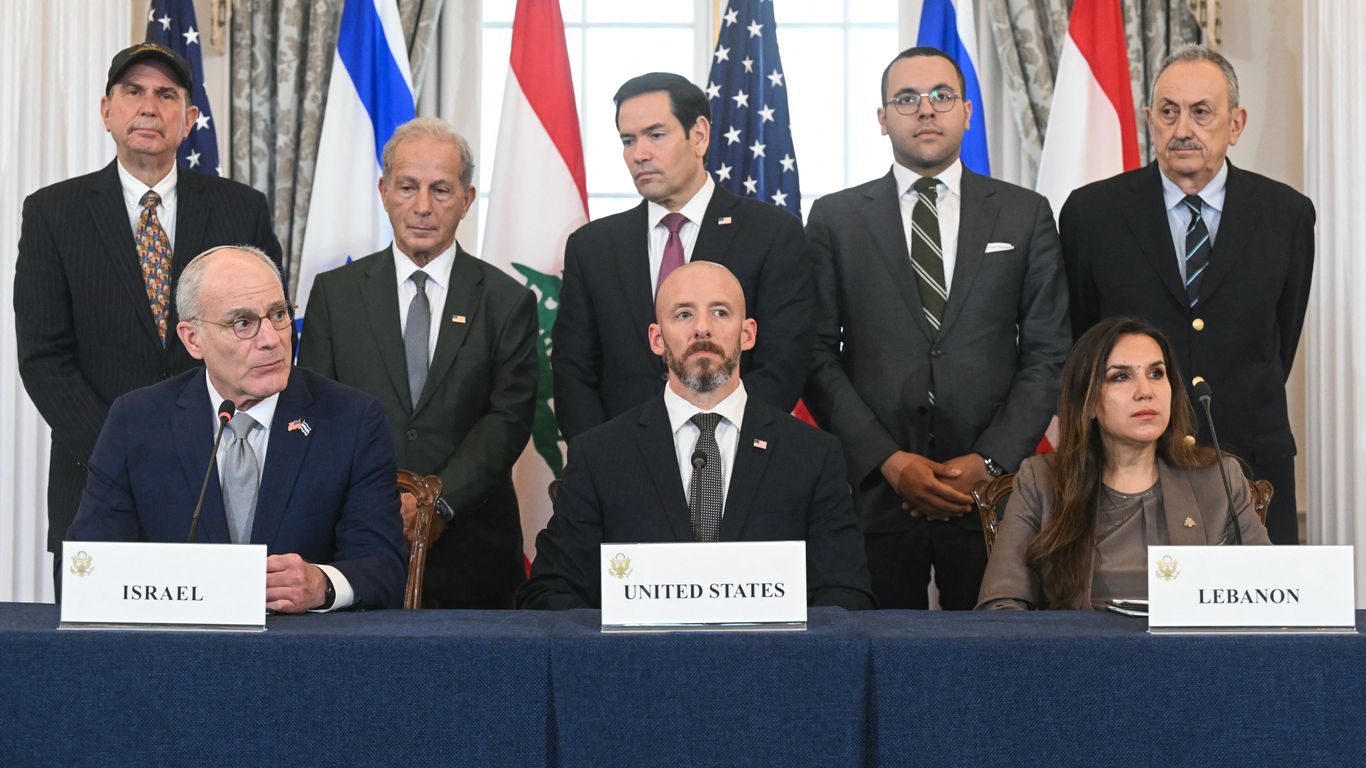
Israeli and Lebanese officials held four days of talks in Washington to reduce the influence of Hezbollah and Iran in Lebanon, with U.S. mediation. Though a framework agreement was developed, disagreements over Israeli troop withdrawals stalled final approval, and concerns remain about possible violence from Hezbollah and the impact on U.S.-Iran relations.
Key Facts
Negotiations involved Israeli and Lebanese governments meeting in Washington for four days.
The talks aimed to limit Hezbollah and Iran's power in Lebanon.
The Trump administration helped broker the most significant Israel-Lebanon political agreement in 40 years.
There is concern the deal might trigger violence from Hezbollah and worsen Lebanon’s stability.
Recent U.S.-Iran talks in Switzerland included a ceasefire agreement for Lebanon, creating a joint monitoring group with Pakistan and Qatar.
Israeli officials criticized the U.S.-Iran understanding on Lebanon, fearing it supports Hezbollah.
Talks covered security arrangements, a political framework, and plans for Israeli withdrawal from certain areas in southern Lebanon.
Negotiations faced difficulties, particularly over how and where Israeli troops would withdraw, causing delays and the need for further consultations.
Read the Original
Want the full story? Tap a source to open the original
article.
This article explains the concept of "rust-out," where employees feel bored and unchallenged in their jobs, doing only the minimum work. It highlights that many small and midsized businesses have routine jobs that may not seem exciting, but employees can take personal steps to find meaning and challenge at work.
Key Facts
"Rust-out" describes workers feeling bored, disconnected, and under-stimulated in their jobs.
Rust-out is different from burnout, which is often due to feeling overwhelmed.
Many small and midsized businesses perform routine, everyday tasks that can seem boring.
Not all boring jobs result from poor management; sometimes the nature of the work is simply routine.
Employers can improve workplace atmosphere with benefits and opportunities, but cannot fully prevent rust-out.
Employees have a personal role in finding purpose and challenge in their work.
Workers can look for additional tasks or new roles within their company to increase engagement.
Some employees may prefer routine work and find purpose outside of their job roles.
Read the Original
Want the full story? Tap a source to open the original
article.
The article discusses a plan by Dr. Oz involving GLP-1 drugs that might help reduce prices temporarily. However, it warns that using this approach as a way to control drug prices long-term could harm future medical discoveries.
Key Facts
Dr. Oz has proposed a plan related to GLP-1 drugs.
GLP-1 drugs are used to treat conditions like diabetes and obesity.
The plan could lower drug prices in the short term.
There is concern that these price controls might reduce incentives for new drug development.
Slowing drug innovation could mean fewer cures in the future.
Consumers might save money now but could lose out on future medical advances.
The article suggests caution in using this plan as a model for setting drug prices.
Read the Original
Want the full story? Tap a source to open the original
article.
NASA is expanding its partnerships with private companies to work on missions related to Mars. The success of the Aeolus mission could lead to more similar projects by other companies.
Key Facts
NASA is working with private companies on Mars missions.
Aeolus is one of the missions involved in this partnership.
If Aeolus is successful, more missions like it are expected.
These missions are part of commercial collaborations.
The goal is to increase exploration of Mars through private sector involvement.
Read the Original
Want the full story? Tap a source to open the original
article.