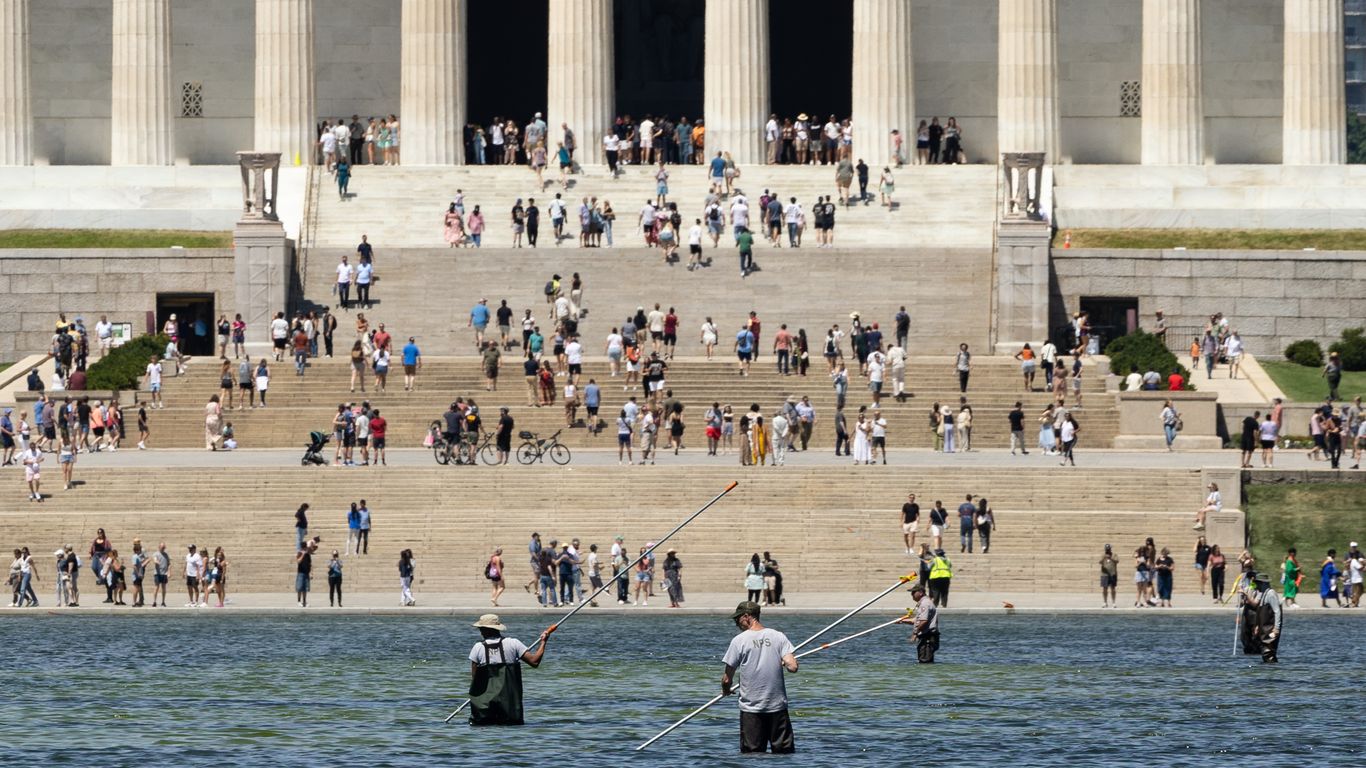
President Donald Trump ordered immediate repairs to the Lincoln Memorial Reflecting Pool after claiming it was vandalized following recent renovations. Multiple arrests were made, though some in custody denied causing damage, and authorities warned of prosecution for vandalism.
Key Facts
President Trump personally inspected the damage to the Reflecting Pool.
The pool renovation initially cost about $14 million.
A $1.7 million no-bid contract was given to a company linked to a Trump donor convicted in past legal cases.
The pool was renovated and refilled by June 5, but algae growth quickly turned the water green again.
Trump accused vandals of cutting a 250-foot gash in the pool liner and pouring harmful chemicals into it, but no evidence was shown publicly.
Hydrogen peroxide was used to combat the algae, which can act like paint remover.
Several people were arrested for allegedly vandalizing the pool; one arrested individual said he only touched a loose liner.
The U.S. Attorney for D.C. stated that anyone found damaging the pool would face prosecution.
Read the Original
Want the full story? Tap a source to open the original
article.
A new report from gender justice group Chayn shows that women suffer serious harm when private images of them, even without nudity, are shared without consent. Pakistani actress Ayesha Omar and other women, like Mahnoor, have lost their reputations and jobs because fully clothed photos were spread in their communities.
Key Facts
Pakistani actress Ayesha Omar lost work after swimsuit and shorts photos of her were shared online.
Chayn's report says social media and authorities wrongly focus mostly on nudity in image-based abuse cases.
Mahnoor, a university lecturer from Pakistan, had private photos shared by her ex-husband without her consent.
The photos were not nude but showed her in Western clothing and bare shoulders, which damaged her social standing.
Mahnoor faced rejection from family, friends, and colleagues after the images circulated.
Her ex-husband edited photos to imply she had an affair.
The report highlights that non-nude images can cause serious harm, especially in conservative communities.
Chayn’s author Hera Hussain says harm does not depend on nudity but on consent and community impact.
Read the Original
Want the full story? Tap a source to open the original
article.
People in Gaza came together to watch Spain’s win over Saudi Arabia in the World Cup. They supported Spain because of its positive position on Palestine and saw football as a break from the conflict around them.
Key Facts
Palestinians in Gaza gathered to watch the Spain vs. Saudi Arabia World Cup match.
Spain won the match against Saudi Arabia.
Fans supported Spain due to its stance on Palestine.
Football player Lamine Yamal was seen as a symbol of support for Palestine.
Watching football provided a temporary escape from the ongoing war in Gaza.
Read the Original
Want the full story? Tap a source to open the original
article.
Fraud cases in the UK reached a record high last year, with scammers using various tricks like fake messages about missed deliveries, romance scams, and false investment offers to steal money. Experts advise people to be cautious by avoiding clicking on suspicious links, verifying identities, and checking financial firms with official regulators.
Key Facts
Over four million fraud cases were reported in the UK last year, with many more unreported.
Scammers send fake messages pretending to be family members or delivery companies to get bank details.
Nearly £423 million was lost to remote-purchase fraud, where criminals use stolen card details to buy goods.
Romance scams often involve fake profiles on dating sites asking for money after building trust.
Victims of romance scams usually make about 10 payments to fraudsters.
Scammers use AI technology to create fake celebrity endorsements or imitate voices for investment scams.
Genuine financial firms should be checked on the Financial Conduct Authority (FCA) website to avoid fraud.
People are advised to type web addresses themselves and be cautious with one-time passcodes (OTPs).
Read the Original
Want the full story? Tap a source to open the original
article.
At least seven people were killed and many injured in several shootings in Chicago over the weekend. President Donald Trump called for military help to reduce violence in the city, but Illinois Governor JB Pritzker has rejected this idea and has blocked federal deployment of the National Guard.
Key Facts
Seven people died and dozens were hurt in multiple shootings in Chicago since Friday evening.
A crowd was shot by two people in an SUV, injuring twelve people.
President Trump suggested sending the military to Chicago to improve safety, comparing it to Washington, DC’s crime reduction.
Governor JB Pritzker refused Trump’s request and sued to stop National Guard deployment last year.
A study showed the National Guard had little effect on violent crime in Washington, DC.
Chicago’s violent crime has generally decreased over recent years, but shootings slightly increased compared to last year’s first half.
Chicago Mayor Brandon Johnson condemned the violence, especially on Juneteenth, a holiday commemorating the end of slavery.
The Obamas opened their presidential library in Chicago, with many celebrities attending; Trump was not invited but was offered a tour later.
Read the Original
Want the full story? Tap a source to open the original
article.
The last bank in Lochgilphead, Scotland, is closing, forcing residents to travel about an hour to the nearest branch. Many people, especially older residents, are worried about using online banking and the limited services available at the local post office.
Key Facts
The Bank of Scotland branch in Lochgilphead is closing because most customers now use online banking.
The nearest bank branch after closure is in Oban, about 37 miles away.
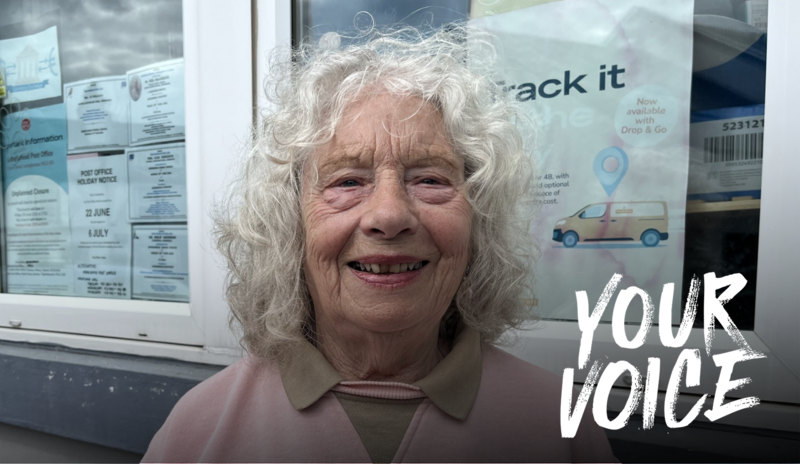
Older residents like Maggie Dodd feel anxious about banking online due to fear of scams and making mistakes.
A buddy system was created to help elderly people use banking services at the post office.
The local post office has limits on how much cash can be withdrawn or deposited, which frustrates some customers.
Local businesses worry about the closure, as problems with card payments and cash deposits affect daily operations.
Since 2015, 742 bank branches have closed across Scotland, impacting many communities like Lochgilphead.
Efforts to create a shared Banking Hub in Lochgilphead were rejected, but the area has free ATMs and a post office for some services.
Read the Original
Want the full story? Tap a source to open the original
article.
The last Bank of Scotland branch in Lochgilphead is closing because most customers now use online banking. This has worried elderly residents and local businesses who rely on face-to-face banking and cash services.
Key Facts
The Bank of Scotland branch in Lochgilphead is closing due to low in-person usage.
The nearest bank branch after closure is 37 miles away in Oban.
Elderly people, like Maggie Dodd, feel anxious about online banking and scams.
A local buddy scheme pairs people to help each other use the post office for banking.
Local businesses worry about cash handling and risks from fewer bank services.
Since 2015, 742 bank branches have closed in Scotland, affecting rural areas significantly.
Argyll and Bute Council’s plan to create a shared banking hub was rejected.
Post office services have limits on cash and cheque transactions compared to banks.
Read the Original
Want the full story? Tap a source to open the original
article.
A survey shows that most UK taxpayers want the government to raise taxes on big global tech companies like Meta, Google, and Amazon. The current digital services tax charges 2% on certain revenues, but many people think it should be higher to make these companies pay more taxes in the UK.
Key Facts
67% of people surveyed support higher digital services taxes on multinational tech firms in the UK.
The UK introduced a 2% digital services tax in 2020 for tech companies with significant UK or global sales.
This tax raised about £800 million for the UK government in 2024-25.
The tax applies only to a few companies and targets revenues from search engines, social media, or marketplaces.
Some critics say the tax causes higher prices for users.
The US, led by President Donald Trump, opposes the tax and has threatened tariffs if the UK does not remove it.
Three-quarters of Britons prefer to work for or buy from companies that pay their fair share of tax.
The Fair Tax Foundation has polled about 2,000 UK adults annually and finds consistent strong support for fair tax policies over the past decade.
Read the Original
Want the full story? Tap a source to open the original
article.
Wildlife photographer Chris Fallows is known for capturing stunning images of great white sharks breaching in False Bay, South Africa. Around 10 years ago, the number of these sharks suddenly dropped, which affected both the ecosystem and tourism. Fallows now works to document and protect wildlife, sharing his experiences and remarkable photos.
Key Facts
Chris Fallows is a wildlife photographer based in Cape Town, South Africa.
He photographed great white sharks breaching near Seal Island, capturing dramatic moments of them jumping out of the water.
About 10 years ago, the population of great white sharks in False Bay decreased significantly.
Scientists and conservationists do not agree on the exact reasons for the shark decline.
The decrease in sharks led to fewer tourists visiting the area.
Fallows' famous photo "Air Jaws" shows a great white shark with its mouth open mid-breach.
Fallows often dives without a protective cage to photograph sharks, relying on his wife Monique for safety support.
He aims to educate people about the real behavior of great white sharks, which are often misunderstood.
Read the Original
Want the full story? Tap a source to open the original
article.
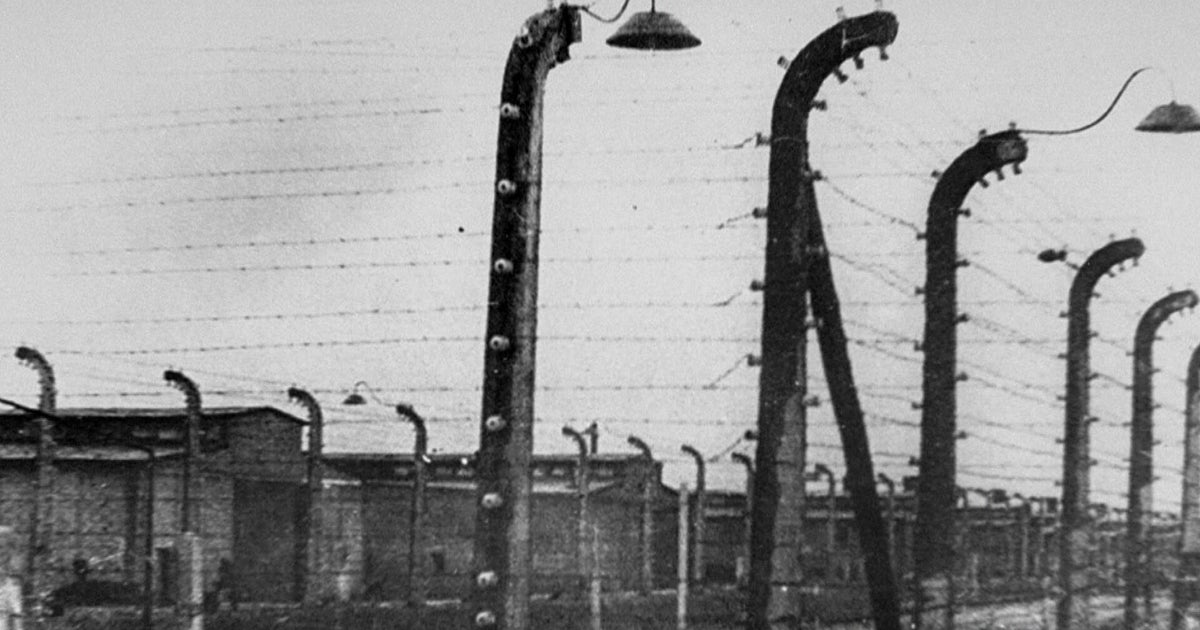
In April 1945, American soldiers liberated the Mauthausen concentration camp in Austria near the end of World War II. Army medic LeRoy "Pete" Petersohn documented the terrible conditions he saw, including dead prisoners and starving survivors, through letters, photos, and film.
Key Facts
Mauthausen concentration camp was located in Austria and was liberated in late April 1945.
Three newborn babies and their mothers arrived at the camp after enduring forced labor.
American soldiers, including 22-year-old medic LeRoy Petersohn, helped free the prisoners.
Petersohn wrote a detailed letter describing piles of dead bodies and starving prisoners eating grass.
He took photos and videos to provide proof of the camp’s conditions.
General Dwight D. Eisenhower ordered soldiers to bring civilians to see the camps and document them.
Petersohn’s letter was published by a local newspaper as firsthand evidence.
His son, Brian Petersohn, shared his father’s story on a CBS News program.
Read the Original
Want the full story? Tap a source to open the original
article.
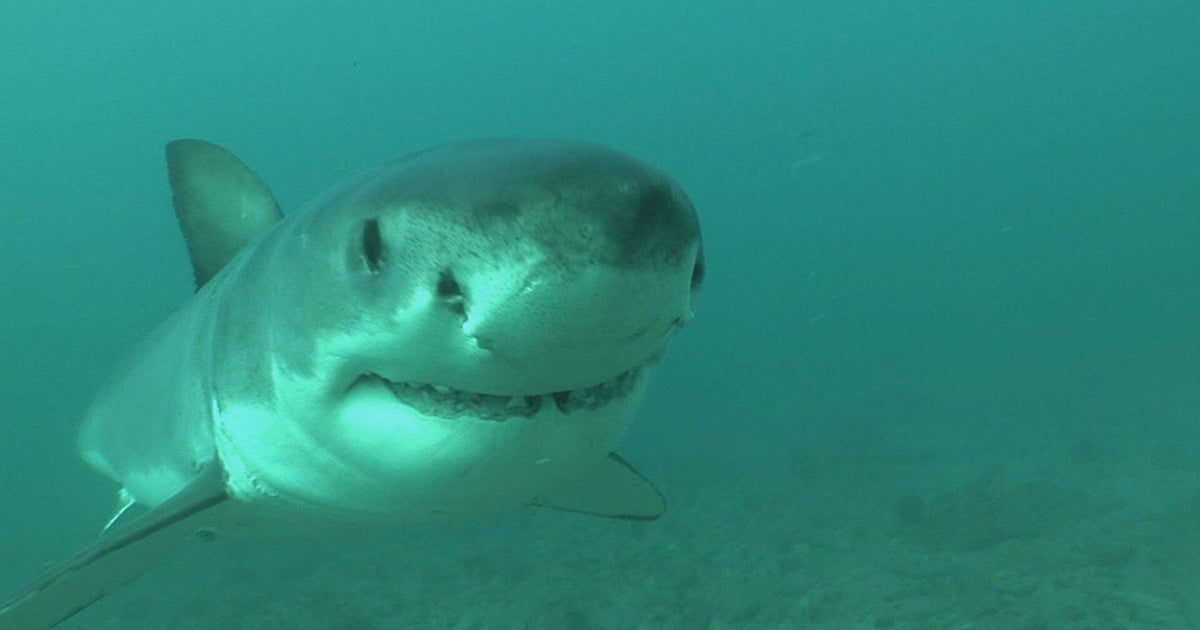
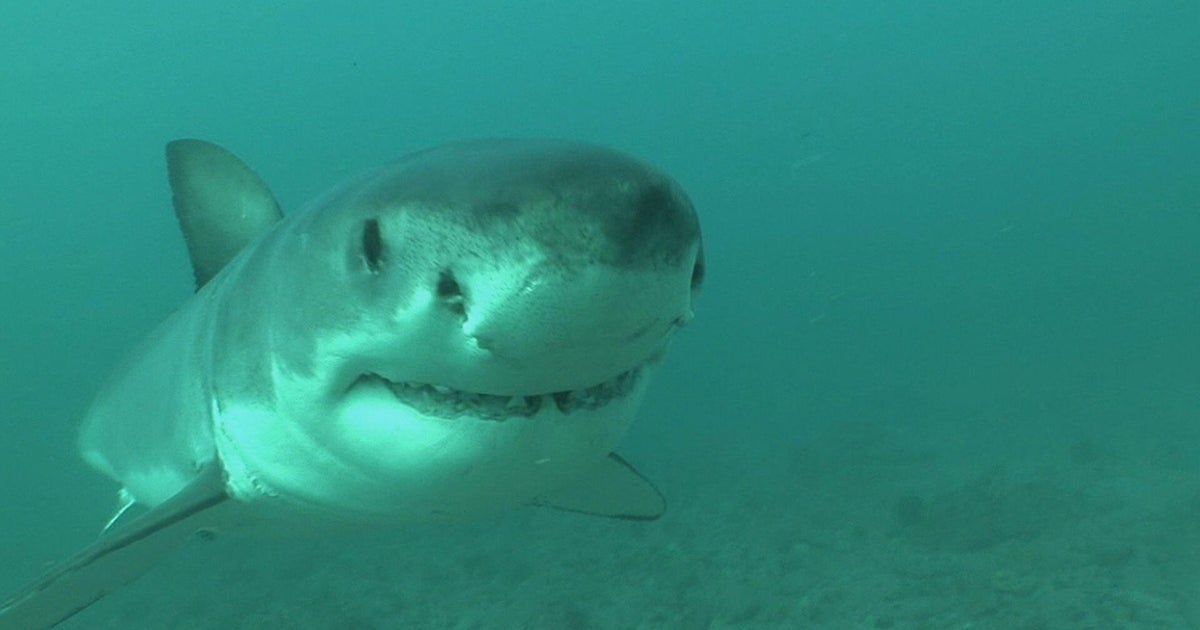
Great white sharks have disappeared from the coastal waters near Cape Town, South Africa, where they were once commonly seen. Scientists found that orcas, also called killer whales, are likely attacking the sharks and eating their livers, causing the shark population to drop sharply.
Key Facts
Cape Town's waters were famous for great white sharks and had many seals for sharks to hunt.
Around 10 years ago, shark carcasses began washing ashore with their livers missing.
The number of great white sharks in this area has dropped a lot, making sightings very rare.
Shark expert Chris Fallows used to see hundreds of great whites each year but now sees none.
Marine biologist Alison Kock found small sharks dead with cuts that looked surgical but showed tooth marks, not knife marks.
Kock and her team saw orcas near where shark carcasses were found, linking orcas to the attacks.
Orcas seem to target shark livers because they are very rich in calories and make up a large part of the shark’s body.
This discovery helps explain why great whites have disappeared from this popular location.
Read the Original
Want the full story? Tap a source to open the original
article.
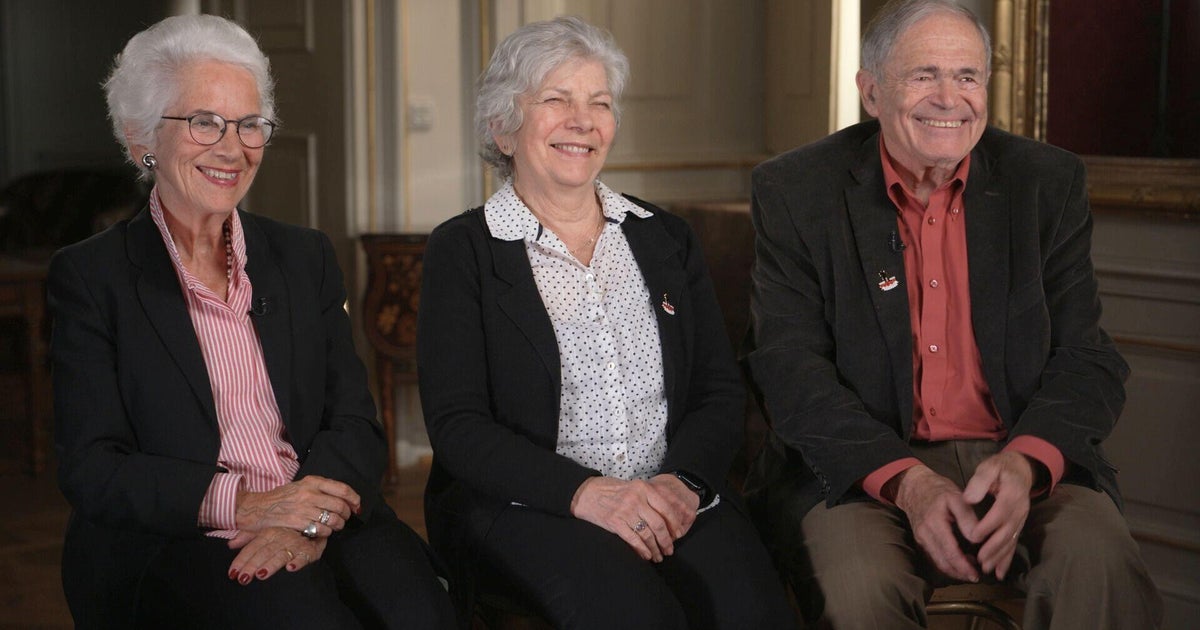
Three Jewish women gave birth to babies while imprisoned in Nazi concentration camps during World War II, despite pregnancy being punishable by death. These children, born in April 1945 just before the war ended, are among the youngest known survivors of the Holocaust.
Key Facts
The story focuses on three women: Eva Clarke, Hana Berger-Moran, and Mark Olsky’s mother, who were pregnant while held in Nazi camps.
Pregnancy in concentration camps was forbidden and could lead to execution.
The women were sent to Auschwitz and forced to work as slave laborers.
Each woman successfully hid her pregnancy from Nazi guards and gave birth in the camps.
Their children, born in April 1945, were about 80 years old when interviewed.
The women came from Jewish families in Czechoslovakia and Poland.
They experienced extreme hardship, including living in ghettos before being deported to camps.
Eva’s mother was a national swimming champion in Czechoslovakia before the war.
Read the Original
Want the full story? Tap a source to open the original
article.
Great white sharks used to gather in large numbers at a specific spot in South Africa. Recently, the sharks disappeared from this area, and experts are unsure why. Some think the sharks left because of orcas, while others suspect human activities.
Key Facts
The area in South Africa was once known for many great white sharks.
The sharks have suddenly stopped coming to this location.
Orcas, which are large marine predators, may have scared the sharks away.
Human actions might also have contributed to the sharks leaving.
Scientists are studying the situation to find the exact reasons.
This change affects the local marine environment and tourism.
Great white sharks are important for ocean health and balance.
Read the Original
Want the full story? Tap a source to open the original
article.
Three people who were born in concentration camps during the Holocaust have found each other decades later. Their mothers were young Jewish women sent to the camps while they were pregnant.
Key Facts
Eva Clarke, Hana Berger-Moran, and Mark Olsky were born in concentration camps during the Holocaust.
Their mothers were Jewish women held in the camps while pregnant.
The camps included Mauthausen, a Nazi concentration camp.
These three survivors connected many years after World War II.
The story highlights the survival and reunion of children born under these extreme conditions.
This reunion was featured on the CBS program "60 Minutes."
Read the Original
Want the full story? Tap a source to open the original
article.
"Voicemails for Isabelle" is a new romantic comedy film on Netflix about a woman named Jill who copes with her sister Isabelle’s death from cystic fibrosis by leaving voicemails on her old phone. The phone number is now used by Wes, who hears the messages and decides to meet Jill. The film was written and directed by Leah McKendrick, who also worked on another film called "Scrambled."
Key Facts
The film stars Zoey Deutch as Jill, an aspiring baker, and Nick Robinson as Wes.
Jill’s younger sister Isabelle, played by Ciara Bravo, died from cystic fibrosis.
Jill leaves voicemails on Isabelle’s phone after her death to cope with her loss.
The phone number is inherited by Wes, who listens to the messages and seeks Jill out.
Leah McKendrick wrote and directed the film; she also wrote, directed, and starred in "Scrambled."
Leah McKendrick says the story is partly inspired by her own relationship with her sister.
The film mixes comedy and drama by balancing the sad topic of loss with romantic comedy elements.
The story was originally different and changed over time, including its setting and some plot details.
Read the Original
Want the full story? Tap a source to open the original
article.
Abelardo de la Espriella, a far-right millionaire lawyer, has won Colombia’s presidential runoff, beating leftwing senator Iván Cepeda by a narrow margin. His victory ends four years of leftwing government under President Gustavo Petro and signals a rightward shift in Colombian politics.
Key Facts
De la Espriella received about 49.65% of the votes, narrowly defeating Cepeda who got 48.7%.
The runoff followed a first round held three weeks earlier, where de la Espriella also led by a larger margin.
President Gustavo Petro, Colombia’s first leftwing president, was not allowed to run again and supported Cepeda.
De la Espriella supports a tougher approach to crime and violence, promising strict military action against criminal groups.
He has vowed to build maximum-security prisons and seek US help for airstrikes on drug crops.
Petro claimed possible irregularities in the preliminary vote count, but gave no proof and said the official process will confirm the result.
The election is part of a broader trend of far-right wins in Latin America.
De la Espriella, nicknamed “El Tigre,” has never held public office before and opposes the previous government's peace negotiations with armed groups.
Read the Original
Want the full story? Tap a source to open the original
article.
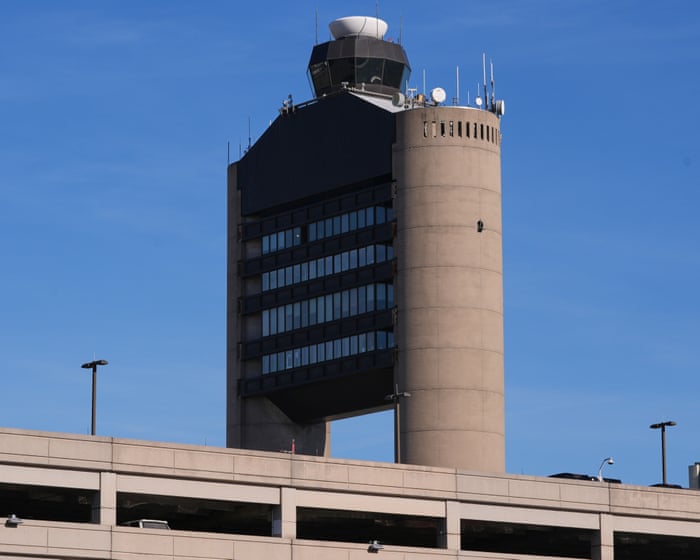
A Delta plane came within about 300 feet of an American Airlines plane at Boston Logan Airport, causing the Delta flight to abort its landing. The Federal Aviation Administration (FAA) is investigating the incident, and lawmakers plan to discuss runway safety issues soon.
Key Facts
The close call occurred on Saturday at Boston Logan International Airport.
The Delta plane was about 300 feet (90 meters) from the American Airlines plane.
The Delta flight had to perform a “go-around,” which means it aborted its landing to avoid the other plane.
There were 129 passengers and 6 crew members on the Delta flight, which landed safely afterward.
Todd Curtis, a former Boeing safety engineer, analyzed the event using flight tracking data.
The FAA is investigating the incident as a serious safety concern.
A Senate subcommittee will hold a hearing on runway safety and near-miss incidents soon.
Go-arounds are normal and safe procedures pilots use to keep flights secure.
Read the Original
Want the full story? Tap a source to open the original
article.
A dead duck was found floating in the Lincoln Memorial Reflecting Pool shortly after the pool underwent a $14 million renovation. The cause of the duck’s death is unknown, but concerns have grown about the water quality and the use of chemical treatments to control algae growth in the pool.
Key Facts
The Lincoln Memorial Reflecting Pool recently had a $14 million renovation, including a new blue paint for the basin.
Soon after the renovation, the pool’s water turned green due to algae blooms, and the paint began peeling.
To control the algae, workers used chemicals like hydrogen peroxide.
A photo of a dead duck in the pool went viral, raising questions about water safety and wildlife impact.
No clear cause of death for the duck has been confirmed, and experts say high chemical levels could harm wildlife.
President Donald Trump claimed the damage to the pool was due to vandalism and said several people have been arrested.
Police reports and federal citations have been filed related to alleged vandalism at the pool.
The National Park Service and White House were contacted for comments but had not provided detailed explanations at the time.
Read the Original
Want the full story? Tap a source to open the original
article.
Former Vice President Mike Pence criticized President Donald Trump’s tentative deal with Iran, calling it merely a “plan to make a plan.” Pence also praised Trump for taking strong military action against Iran.
Key Facts
Mike Pence wrote an opinion piece in The Wall Street Journal.
Pence described Trump's deal with Iran as insufficient and unclear.
Pence said the deal is just the beginning and lacks concrete steps.
Pence praised President Trump for launching a military campaign against Iran.
The criticism focuses on U.S. policy and actions regarding Iran.
Pence’s comments reflect a disagreement within American political leaders.
The topic involves U.S. foreign relations with Iran.
The article centers on American politics and government decisions.
Read the Original
Want the full story? Tap a source to open the original
article.
Australian police seized 2.7 tonnes of cocaine buried under a property near Sydney, marking the country’s largest-ever cocaine bust. Two men were arrested, and the drugs are believed to be linked to a Sydney organized crime group.
Key Facts
Police found 2.7 tonnes of cocaine in underground bunkers beneath three shipping containers on a property in Londonderry, near Sydney.
The cocaine is estimated to be worth about 816 million Australian dollars on the street.
Two men aged 21 and 25 were arrested and charged with possessing a large quantity of an illegal drug.
Police believe the cocaine was imported near Midge Point in Queensland and moved to Sydney by an organized crime group.
The seizure was part of Operation Minjiang, a joint effort by the Australian Federal Police, Queensland police, Australian Border Force, and others.
The investigation started after 40 kg of cocaine was found in the water near Midge Point.
A ship called MV Wealth, thought to be involved in importing drugs, was detained in the Solomon Islands.
The two arrested men appeared in court in New South Wales and are due back for another hearing on August 13.
Read the Original
Want the full story? Tap a source to open the original
article.