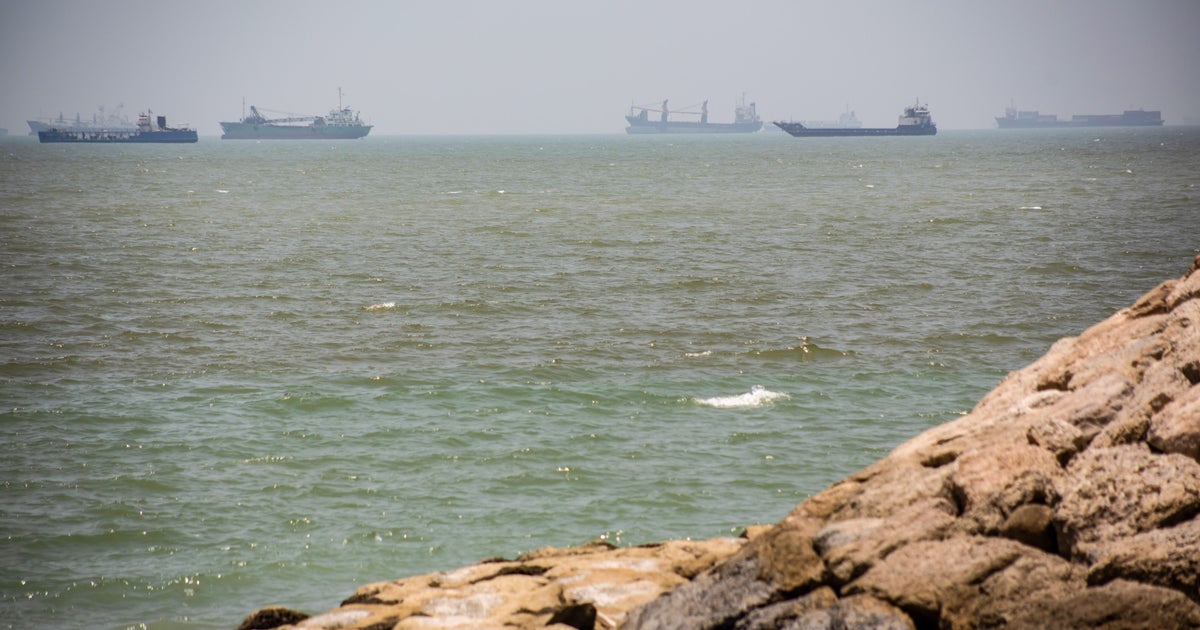
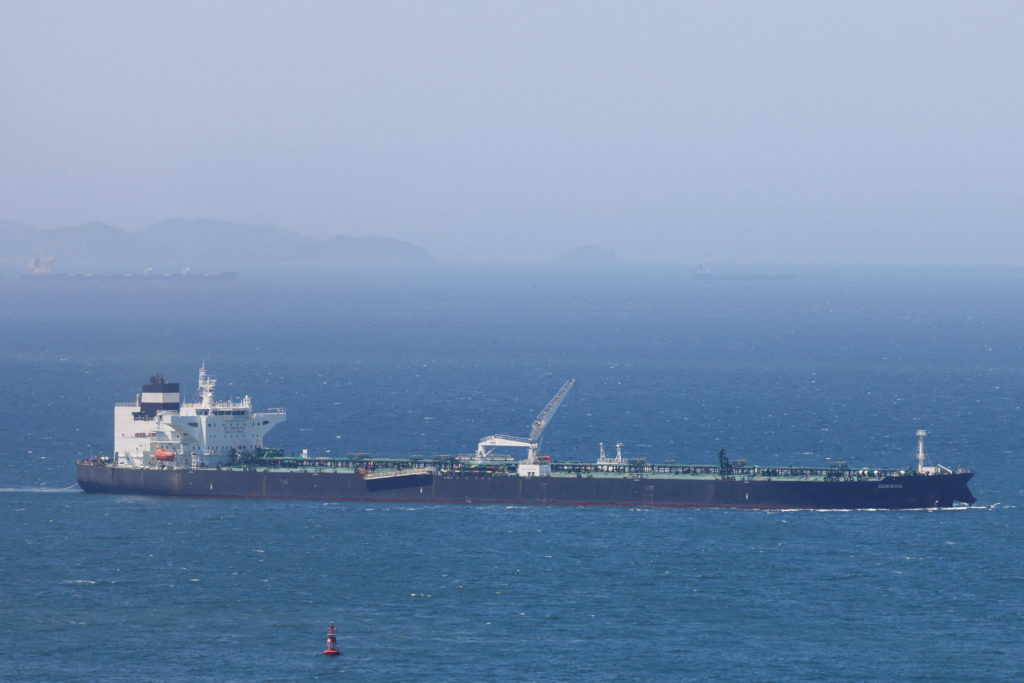
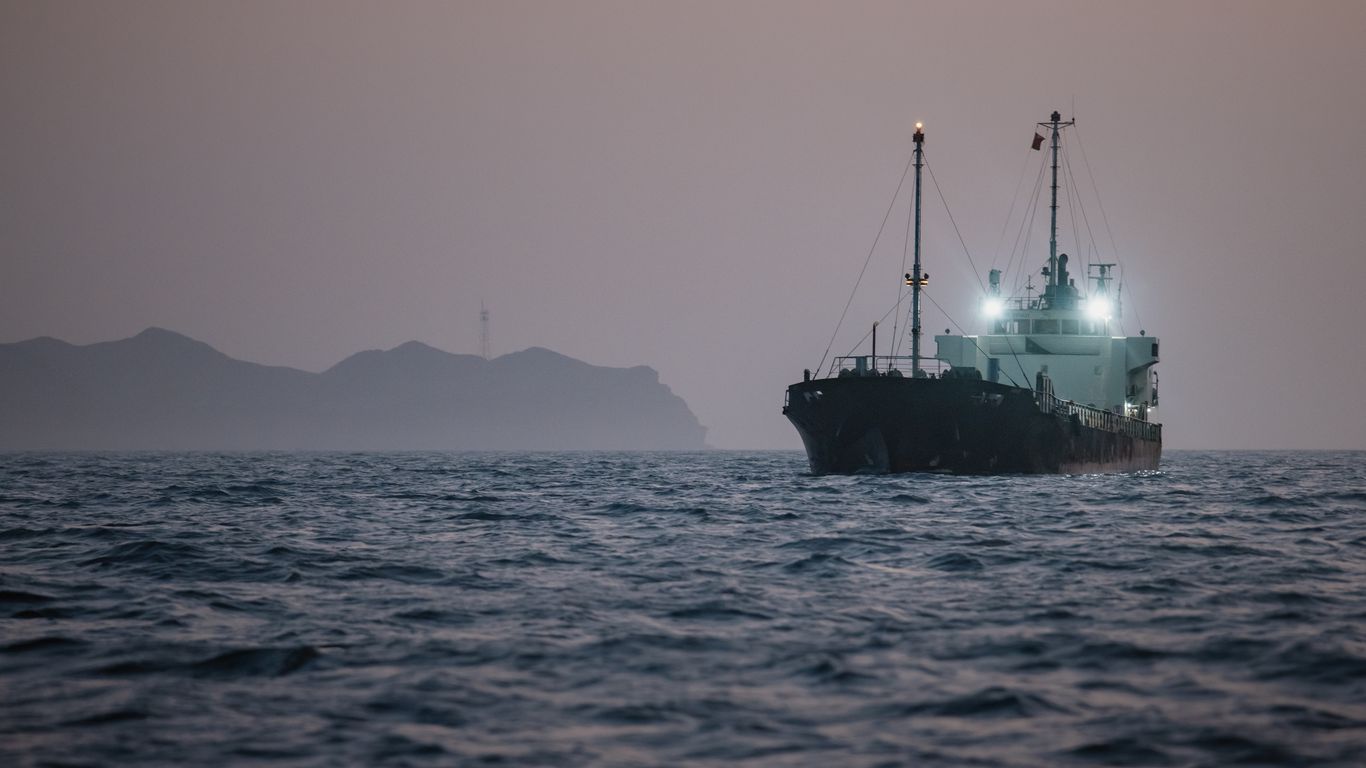
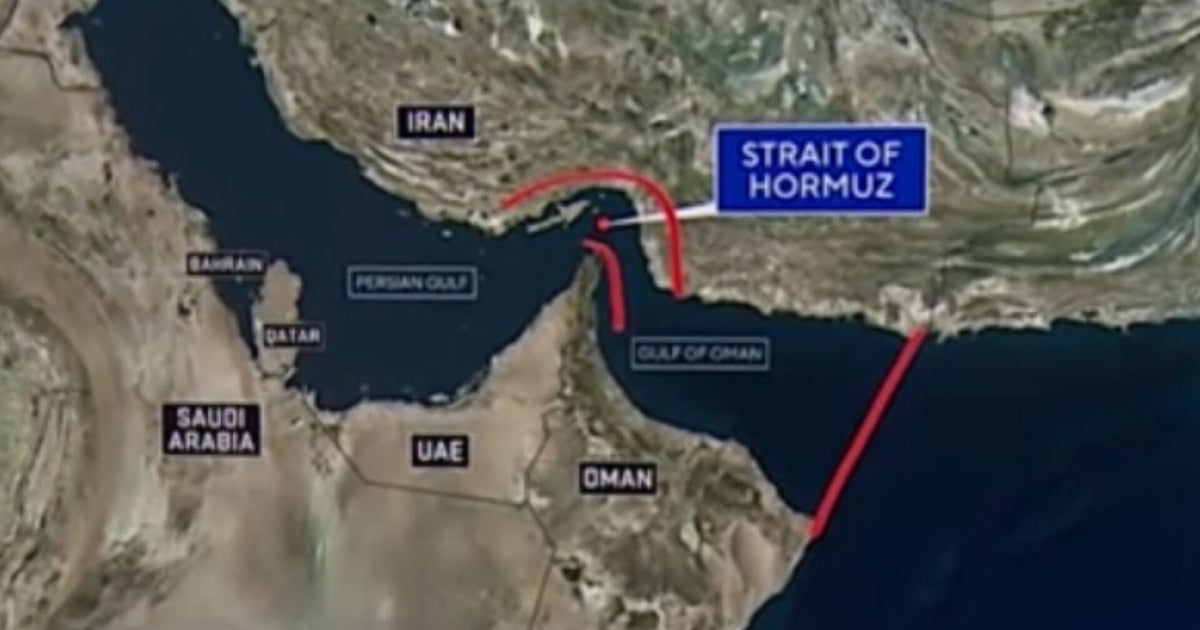
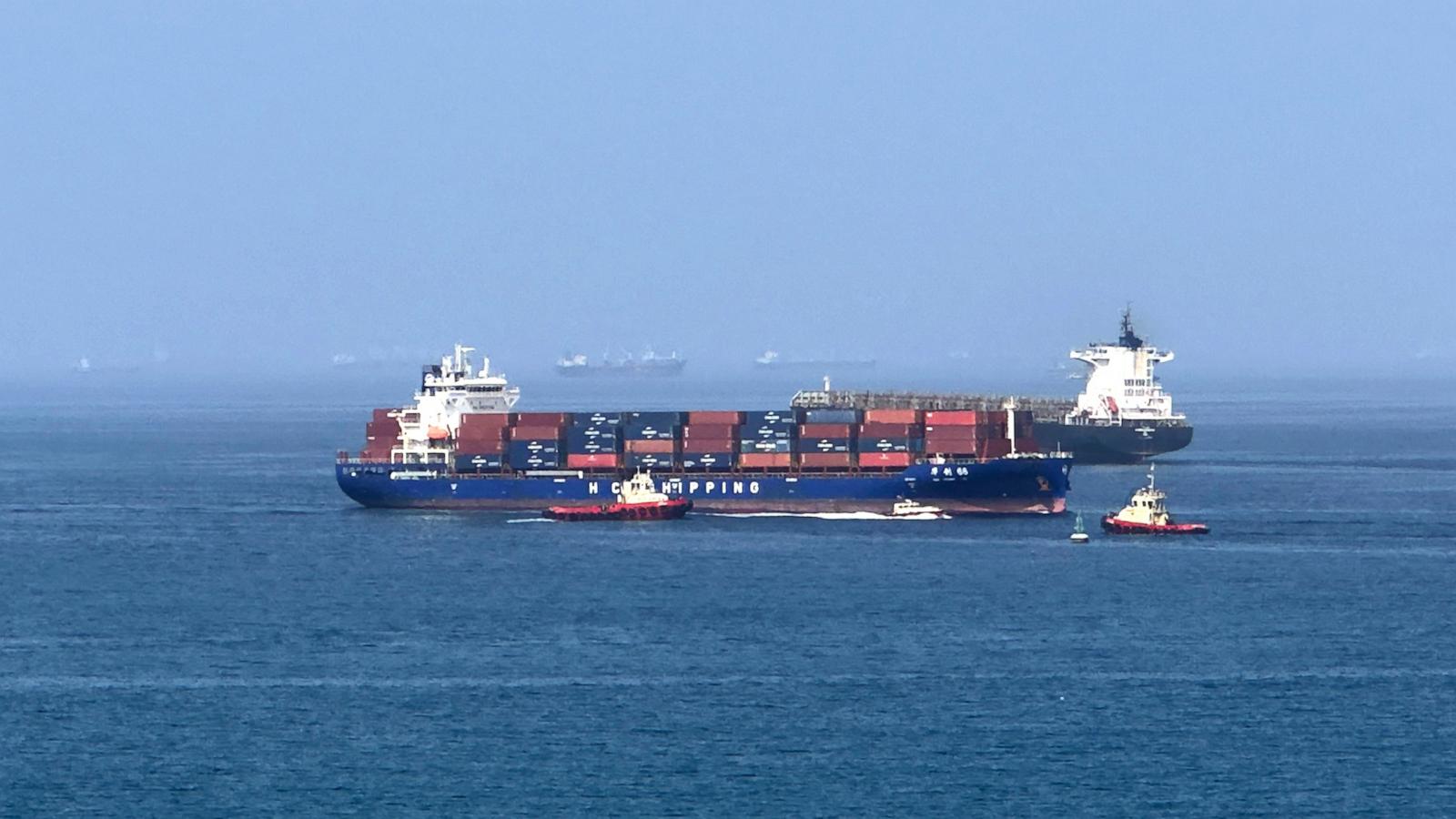
The U.S. military launched strikes against Iran in response to attacks on three commercial ships in the Strait of Hormuz, a key global shipping route. These attacks, carried out by Iran's Islamic Revolutionary Guard Corps, followed a recent drone strike on another vessel and increased tensions between the two countries despite ongoing indirect talks about maritime security.
Key Facts
Three commercial ships were attacked in the Strait of Hormuz by Iran’s Revolutionary Guard over two days.
One attack involved a drone, and the other two used unknown projectiles.
No one was reported injured in these attacks.
The U.K. Maritime Trade Operations issued warnings about the attacks but did not name the ships.
The U.S. retaliated by launching military strikes against Iran.
The U.S. revoked Iran’s license to export oil in response to the attacks.
Iran condemned the U.S. actions and said it will defend its national interests.
Saudi Arabia condemned the attacks on its tanker, and Qatar condemned attacks on its tanker.
Read the Original
Want the full story? Tap a source to open the original
article.
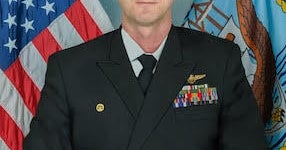
The U.S. Navy identified Cmdr. Gabriel Edwards as the sailor missing after a helicopter made an emergency landing in the Arabian Sea on July 1. Three crew members were rescued, but Edwards was not found, and the search was stopped after more than 102 hours. The cause of the emergency landing is still under investigation.
Key Facts
Cmdr. Gabriel Edwards was the commander of Helicopter Sea Combat Squadron 5.
The helicopter involved was an MH-60S Sea Hawk with a four-person crew.
Three crew members were rescued and returned to the USS George H.W. Bush.
Edwards was declared missing, and the search covered over 14,000 square miles with many Navy and Air Force assets involved.
After extensive search efforts, the search for Edwards was suspended after about four days.
The Navy posthumously promoted Edwards to the rank of captain.
Edwards was from Oakland, Oregon, had served 20 years, and was a qualified helicopter pilot since 2008.
There was no sign the helicopter was shot down; the cause of the emergency landing remains unknown.
Read the Original
Want the full story? Tap a source to open the original
article.
The United States and Iran are trying to negotiate a permanent end to their conflict, but they still disagree on many issues. Recent military attacks have paused, and further talks are expected soon, though Iran and the U.S. disagree on when those talks will happen.
Key Facts
Iran launched drone and missile attacks on Bahrain and Kuwait in response to new U.S. airstrikes.
Iran warned it might stop peace talks if the U.S. continues attacks.
The U.S. President Donald Trump said a meeting with Iran would happen soon, but Iran denied any scheduled talks.
Both sides have a deadline of less than 60 days to finalize a peace deal.
Technical talks by lower-level diplomats are expected before senior officials meet again.
The Strait of Hormuz, a key shipping route, is disputed: the U.S. says it is open, while Iran wants control over it.
Both sides have paused their recent military actions for now.
Pakistan and Qatar are helping mediate the negotiations.
Read the Original
Want the full story? Tap a source to open the original
article.
Maryland lawmakers will hold a special session from August 3 to 5 to discuss a constitutional amendment about future congressional redistricting. The amendment, if passed, would go to voters in November and could allow for new district maps that make it easier for Democrats to win all eight seats.
Key Facts
Maryland lawmakers are meeting in August for a special session on congressional redistricting.
The session aims to consider a constitutional amendment related to redrawing districts.
Democrats currently hold 7 out of 8 U.S. House seats in Maryland; one seat is held by a Republican.
The amendment would clarify the state constitution after a 2022 court ruling struck down a previous district map.
If both state chambers approve the amendment by a three-fifths vote, it will be on the November ballot for voters to decide.
Maryland Republicans criticize the move as a way to increase Democratic seats in Congress.
Redistricting usually happens once every 10 years after the census but can be done more often for political reasons.
The governor of Maryland supports the effort to finalize the redistricting plan.
Read the Original
Want the full story? Tap a source to open the original
article.
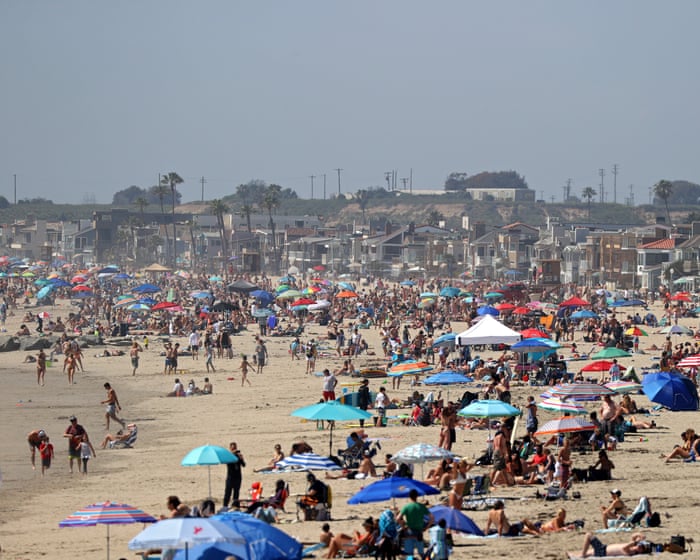
A large crowd gathered in Newport Beach, California, on the Fourth of July after an online event called a “TikTok takeover.” The gathering turned violent, with fires, blocked roads, attacks on police, and about 400 people arrested.
Key Facts
Thousands of people came to Newport Beach for the Fourth of July, many responding to a social media meetup.
The crowd caused fires, blocked traffic, and threw fireworks and explosives at police and other people.
Police arrested 402 people, much more than the 60 arrests made the previous year over the same holiday.
Newport Beach firefighters responded to 102 emergencies, including 10 fires, and took 44 people to hospitals.
Most arrested were young people aged 15 to 25, many from outside Newport Beach, including Arizona, Nevada, and other parts of California.
Police used horses and called in help from 17 law enforcement agencies with over 350 officers.
Similar “takeover” events online are causing problems and violence in other cities, including Pensacola, Florida, and Chicago.
Officials in Washington, D.C. have increased efforts to hold parents responsible when minors cause trouble at these events.
Read the Original
Want the full story? Tap a source to open the original
article.
The U.S. military attacked Iranian targets after three merchant ships were hit near Oman in the Strait of Hormuz. The strikes aimed to punish Iran for what the U.S. called aggressive actions against commercial ships in international waters.
Key Facts
Three merchant ships were struck in international waters off Oman in the Strait of Hormuz.
The U.S. Central Command said the attacks were to impose heavy costs on Iran for targeting innocent civilians on commercial ships.
The U.S. described Iran’s actions as aggressive, dangerous, and a violation of a ceasefire.
President Donald Trump met with Turkey’s leader before a NATO summit and announced plans to lift sanctions on Turkey, possibly allowing F-35 jet sales.
Trump criticized NATO’s ability to work without U.S. leadership and expressed frustration about allies not joining the Iran conflict.
Trump also suggested that Greenland should be controlled by the United States instead of Denmark.
NATO leaders are working to strengthen military capabilities to respond to shifting U.S. focus away from Europe.
Read the Original
Want the full story? Tap a source to open the original
article.
A podcast called "To Catch a Thief" reports that workers from North Korea are being hired by U.S. companies as remote IT developers. The podcast explores how these workers are entering American companies' computer systems without being noticed.
Key Facts
The podcast is called "To Catch a Thief" and is investigative in nature.
It focuses on North Korean IT workers who work remotely.
These workers are being hired by U.S. companies as developers.
The hiring allows North Korean workers to access U.S. company systems.
The podcast highlights concerns about infiltration of U.S. companies.
Nicole Perlroth, the podcast host, discussed her findings with CBS News.
The story was shared through CBS News and its app.
There is no mention of specific companies or how many workers are involved.
Read the Original
Want the full story? Tap a source to open the original
article.
The United States launched military strikes against Iran after several ships were attacked in the Strait of Hormuz, a key waterway for global oil transport. The strikes aim to respond to the attacks and increase security in the region.
Key Facts
The U.S. carried out strikes on Iran as a response to attacks on ships in the Strait of Hormuz.
The Strait of Hormuz is an important passage for oil shipments between the Middle East and the rest of the world.
The attacks on ships raised concerns about the safety of international shipping lanes.
The U.S. military actions are meant to protect freedom of navigation and deter further attacks.
The situation involves rising tensions between the United States and Iran.
President Donald Trump authorized the military response.
The strikes reflect ongoing conflicts related to security and control in the Gulf region.
Read the Original
Want the full story? Tap a source to open the original
article.
The United States launched military strikes against Iran after three commercial ships were attacked in the Strait of Hormuz, a key waterway for global shipping. Iran condemned the U.S. actions as a treaty violation and warned of strong retaliation, while tensions increased with rising oil prices and disrupted peace negotiations.
Key Facts
Three merchant ships were attacked in the Strait of Hormuz, a major shipping route.
The U.S. responded with strikes on Iranian targets early Wednesday.
The U.S. military said strikes were to punish Iran for attacking civilian commercial ships.
Iran's foreign ministry called the U.S. strikes a breach of an agreement and threatened decisive measures.
Oil prices rose about 3% after the attacks and U.S. sanctions on Iranian oil resumed.
The strikes complicate ongoing talks to end the war between the U.S. and Iran and reopen the Strait fully.
Israel’s Prime Minister Netanyahu stated he and President Donald Trump agree on handling the Iran issue.
Millions gathered in Iraq to mourn the body of Iran's supreme leader Ali Khamenei, highlighting regional tensions.
Read the Original
Want the full story? Tap a source to open the original
article.
The Trump administration is thinking about permitting space launches and returns from areas off the coast of the United States. The Bureau of Ocean Energy Management (BOEM) announced it is exploring the use of the U.S. Outer Continental Shelf, which is underwater land near the coast, for space activities.
Key Facts
The Trump administration is reviewing rules for space launches and re-entries near U.S. coastlines.
The Bureau of Ocean Energy Management (BOEM) published a notice about this on a Tuesday.
The Outer Continental Shelf is an area of submerged land off the U.S. coast.
BOEM is considering allowing space companies to use these offshore areas for launches.
Offshore launches would take place beyond the shoreline but still within U.S. jurisdiction.
This plan could open new locations for spaceflight activity outside of existing land-based launch sites.
The change aims to expand options for commercial and government space missions.
Read the Original
Want the full story? Tap a source to open the original
article.
Democrats are trying to salvage a Senate race in Maine after Graham Platner faced a new rape allegation. Platner denies the claim but is losing support, and his campaign is in trouble.
Key Facts
Graham Platner is a Democratic candidate in a Maine Senate race.
He has been accused of rape in a new allegation.
Platner denies the accusation.
He has not withdrawn from the race yet.
Platner is losing supporters because of the allegation.
Democrats see the race as important and winnable before this issue.
The future of Platner’s campaign looks uncertain.
Read the Original
Want the full story? Tap a source to open the original
article.
The U.S. military launched strikes on targets in Iran after Iran attacked three commercial ships in the Strait of Hormuz. The U.S. Central Command said these strikes aim to punish Iran for targeting and attacking commercial vessels.
Key Facts
Iran attacked at least three commercial ships in the Strait of Hormuz.
The Strait of Hormuz is a key shipping route for international trade.
The U.S. military responded with powerful strikes against targets in Iran.
The strikes were announced by the U.S. Central Command on social media.
The U.S. aims to impose heavy costs on Iran for attacking commercial shipping.
The incident raises tensions in an important area for global oil transport.
The U.S. action reflects its commitment to protecting freedom of navigation in international waters.
Read the Original
Want the full story? Tap a source to open the original
article.
The U.S. military carried out airstrikes on Iranian military sites near the Strait of Hormuz after Iran attacked commercial ships in the same area. These events risk increasing tensions between the U.S. and Iran shortly after a recent agreement intended to reduce conflict.
Key Facts
The U.S. targeted Iranian air defense, missile launch sites, drone bases, and port facilities in the strikes.
Iran attacked three commercial ships in the Strait of Hormuz over two days.
Explosions were reported in Iranian port cities Bandar Abbas, Sirik, and on Qeshm Island.
The U.S. Treasury revoked sanctions waivers that allowed Iran to sell oil just before the strikes.
Iran’s foreign ministry said the U.S. action broke the recent memorandum of understanding (MOU).
The MOU was signed less than three weeks ago to help keep the strait safe and restart nuclear talks.
CENTCOM called the U.S. strikes powerful and said they aimed to punish Iran for attacking civilian shipping.
The situation increases the risk of ongoing retaliation between the U.S. and Iran.
Read the Original
Want the full story? Tap a source to open the original
article.
The United States launched strikes on Iran in response to attacks on commercial ships in the Strait of Hormuz. The strikes were meant as retaliation for the attacks on vessels in the important shipping route.
Key Facts
The U.S. conducted military strikes against Iran.
The strikes happened on a Tuesday (specific date not given).
The strikes responded to attacks on commercial ships.
The attacks took place in the Strait of Hormuz, a key waterway for global shipping.
CBS News national security analyst Aaron MacLean commented on the situation.
Read the Original
Want the full story? Tap a source to open the original
article.
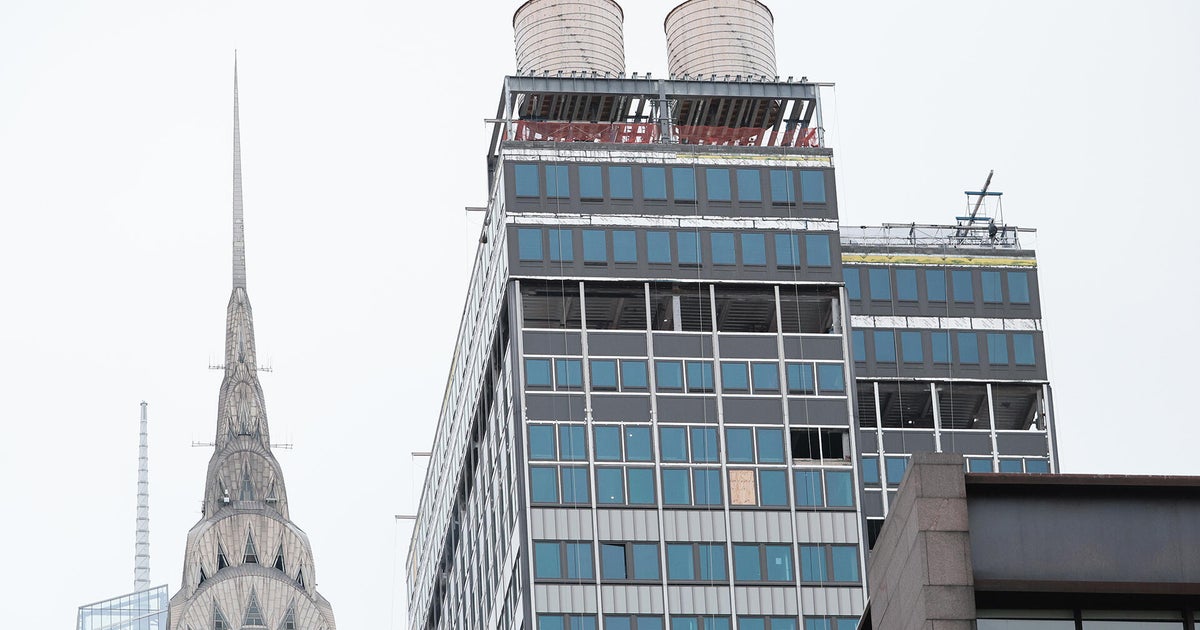
Hundreds of people were evacuated from a 37-story building under construction in Midtown Manhattan after firefighters found that some of its columns were bending and floors were sagging. Officials reported that no one was hurt.
Key Facts
The building is 37 stories tall and still being built.
Firefighters discovered structural problems with columns and floors.
These problems made the building unsafe.
Hundreds of people were told to leave the area as a safety measure.
No injuries have been reported so far.
The event happened on a Tuesday morning in Midtown Manhattan.
Authorities are likely investigating the cause of the instability.
Read the Original
Want the full story? Tap a source to open the original
article.
The U.S. launched strong airstrikes against Iran after Iran attacked three commercial ships in the Strait of Hormuz. These strikes are part of a response to maintain security in the international waterway amid ongoing tensions and peace talks between the two countries.
Key Facts
Iranian forces attacked three commercial vessels passing through the Strait of Hormuz.
The U.S. Central Command announced powerful airstrikes targeting Iran in response to these attacks.
The attacks violated a ceasefire agreement between the U.S. and Iran.
Explosions were reported in the southern Iranian port city of Sirik.
Iran denied accusations by Qatar that it attacked a Qatari ship and urged adherence to maritime safety rules.
The U.S. revoked a license that allowed the sale of Iranian oil under a recent memorandum of understanding.
The revocation was due to Iran's recent aggressive actions in the Strait of Hormuz.
The U.S. and Iran have been in peace talks but tensions remain high with military actions occurring.
Read the Original
Want the full story? Tap a source to open the original
article.
The United States has carried out military strikes on Iran after attacks on three commercial ships in the Strait of Hormuz. The US Central Command said the strikes aim to punish Iran for targeting ships in an important international waterway.
Key Facts
The US launched strikes on Iran on July 7, 2026.
The strikes respond to attacks on three commercial vessels.
The attacks happened in the Strait of Hormuz, a key international waterway.
The US Central Command (Centcom) announced the operation.
Centcom said the strikes are meant to impose heavy costs on Iran.
The vessels attacked were crewed by civilians.
The situation is ongoing, and more details are expected.
Read the Original
Want the full story? Tap a source to open the original
article.
A federal appeals court has blocked a Florida law that stops public universities from teaching certain ideas labeled as "woke." The court said the state cannot control what professors say in classrooms or restrict unpopular ideas. The law aimed to ban teaching critical race theory and related topics, but the court ruled this violates free speech rights.
Key Facts
The 11th U.S. Circuit Court of Appeals upheld a block on Florida's law banning certain "woke" teachings at public universities.
The law targeted instruction that might cause students to feel guilt over past racial or gender discrimination they did not personally cause.
The case was brought by university professors and supported by the American Civil Liberties Union (ACLU) of Florida.
The law was signed by Governor Ron DeSantis in 2022 to prevent what he called "indoctrination" in schools.
Three judges heard the case: two agreed to block the law, and one judge, appointed by Governor DeSantis, dissented.
The judges said hearing different ideas is not discrimination but a chance to learn or change views.
Past parts of the law banning workplace training on race and gender issues have been ruled illegal by other courts.
The main disagreement is whether the state can decide what professors are allowed to teach in public universities.
Read the Original
Want the full story? Tap a source to open the original
article.
A building in Midtown Manhattan, New York, had to be evacuated because bricks fell from the 21st floor of its 37 floors. Officials now say the building has stopped shifting or moving.
Key Facts
The building is located in Midtown Manhattan, New York City.
It has 37 floors in total.
Bricks fell from the 21st floor, causing safety concerns.
People in several nearby buildings were evacuated as a precaution.
Officials reported that the building is no longer moving.
Read the Original
Want the full story? Tap a source to open the original
article.
The Southern Poverty Law Center (SPLC) pleaded not guilty to federal charges that it misled donors by not revealing some money was used to pay informants inside extremist groups. The Justice Department alleges the SPLC funded these groups while claiming to fight them, but the SPLC says the informant program helped gather important information for law enforcement.
Key Facts
The SPLC is known for tracking hate groups.
The organization faces federal fraud charges for hiding how donations were spent.
$4.1 million in donations were allegedly used to pay informants in extremist groups.
Some money was spent on recruiting members and buying Ku Klux Klan robes and materials for cross-burning events.
Informants included KKK members and white nationalists who sought help leaving those groups.
The SPLC claims the program provided valuable intelligence shared with law enforcement agencies.
The SPLC has accused the Justice Department of politically motivated prosecution related to President Donald Trump.
The case will go to trial in October, after a remote arraignment took place.
Read the Original
Want the full story? Tap a source to open the original
article.