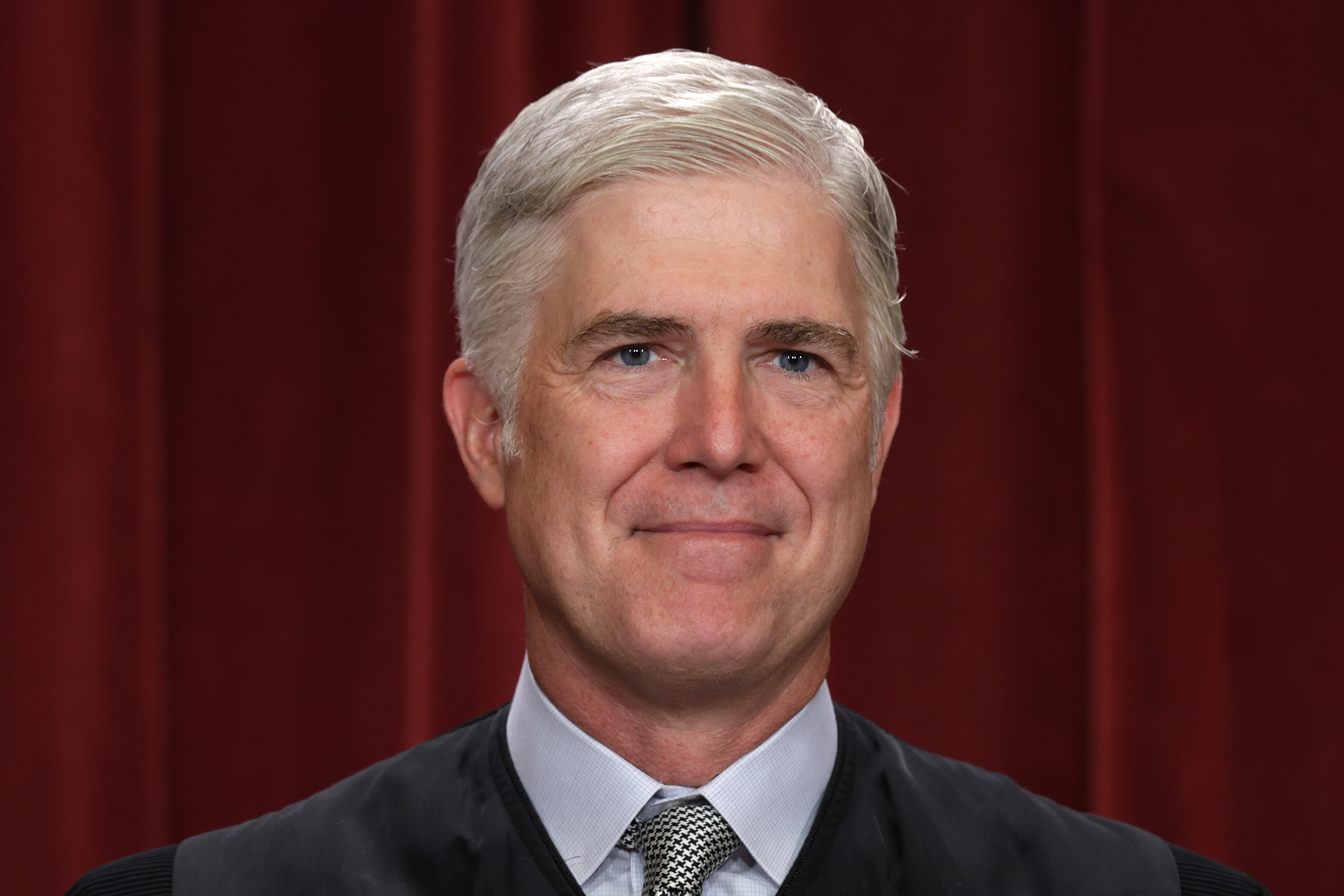
Neil Gorsuch Points to 'Unfortunate' Supreme Court 'Failure'
Summary
Supreme Court Justice Neil Gorsuch disagreed with a decision by the Supreme Court not to hear the case Jaron Burnett v. United States. The case involves Burnett's request for a jury to decide if he should be given more prison time for violating supervised release, which would exceed his original maximum sentence. Gorsuch argued that the case raises important issues about defendants' rights to a jury trial.Key Facts
- Justice Neil Gorsuch disagreed with the Supreme Court's decision not to hear Burnett's case.
- Jaron Burnett was sentenced for violating supervised release terms, which could increase his total prison time beyond his original sentence.
- Burnett wanted a jury to decide his case because it involved extra prison time exceeding 120 months.
- Lower courts ruled against Burnett, and the Supreme Court declined to review his appeal.
- Gorsuch filed a dissent, saying the case impacts defendants' jury trial rights.
- Gorsuch believes many defendants end up serving more time than their original sentence allows without a jury trial.
- Gorsuch hopes the court will reconsider a similar case to address the issue in the future.
Read the Full Article
This is a fact-based summary from The Actual News. Click below to read the complete story directly from the original source.