Why the price of oil matters more than you might think
Summary
The ongoing conflict involving the US and Israel in Iran has led to disruptions in oil exports from the Middle East, causing oil prices to rise sharply. This supply shock is affecting global financial markets, increasing fuel prices, and could potentially slow down economic growth worldwide. Analysts predict potential shortages and higher energy prices if the situation doesn't improve.Key Facts
- The conflict has blocked oil exports from the Gulf region, causing oil prices to rise toward $85 per barrel.
- About 20% of the world's crude oil passes through the Strait of Hormuz, which is now affected by the conflict.
- Countries like the US, Brazil, and Norway have limited capacity to increase oil production to make up for the shortfall.
- Iraq's oil output is down by more than 60%, and Kuwait and the UAE have also reduced production.
- Natural gas supply is also affected, with Qatar halting production due to military attacks.
- Asia and Europe might see energy shortages soon, as reported by JP Morgan.
- Some governments are considering releasing oil reserves, but experts say this might not significantly ease the crisis.
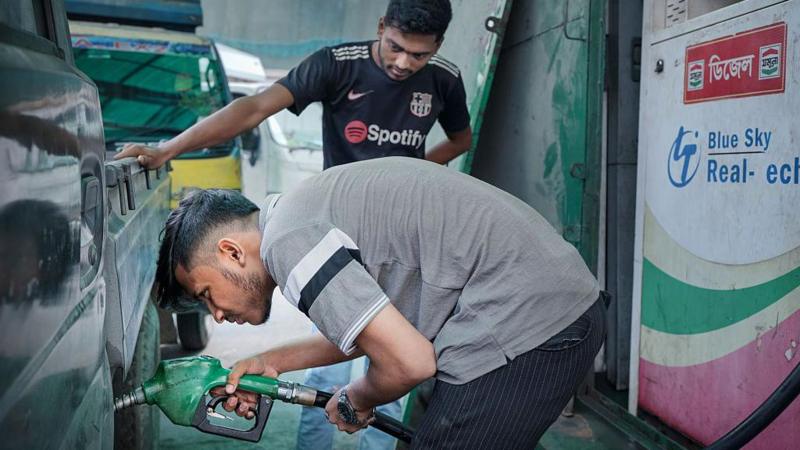
- Rising energy prices, driven by oil hitting nearly $120 per barrel at times, are increasing costs for businesses and consumers globally.
Read the Full Article
This is a fact-based summary from The Actual News. Click below to read the complete story directly from the original source.