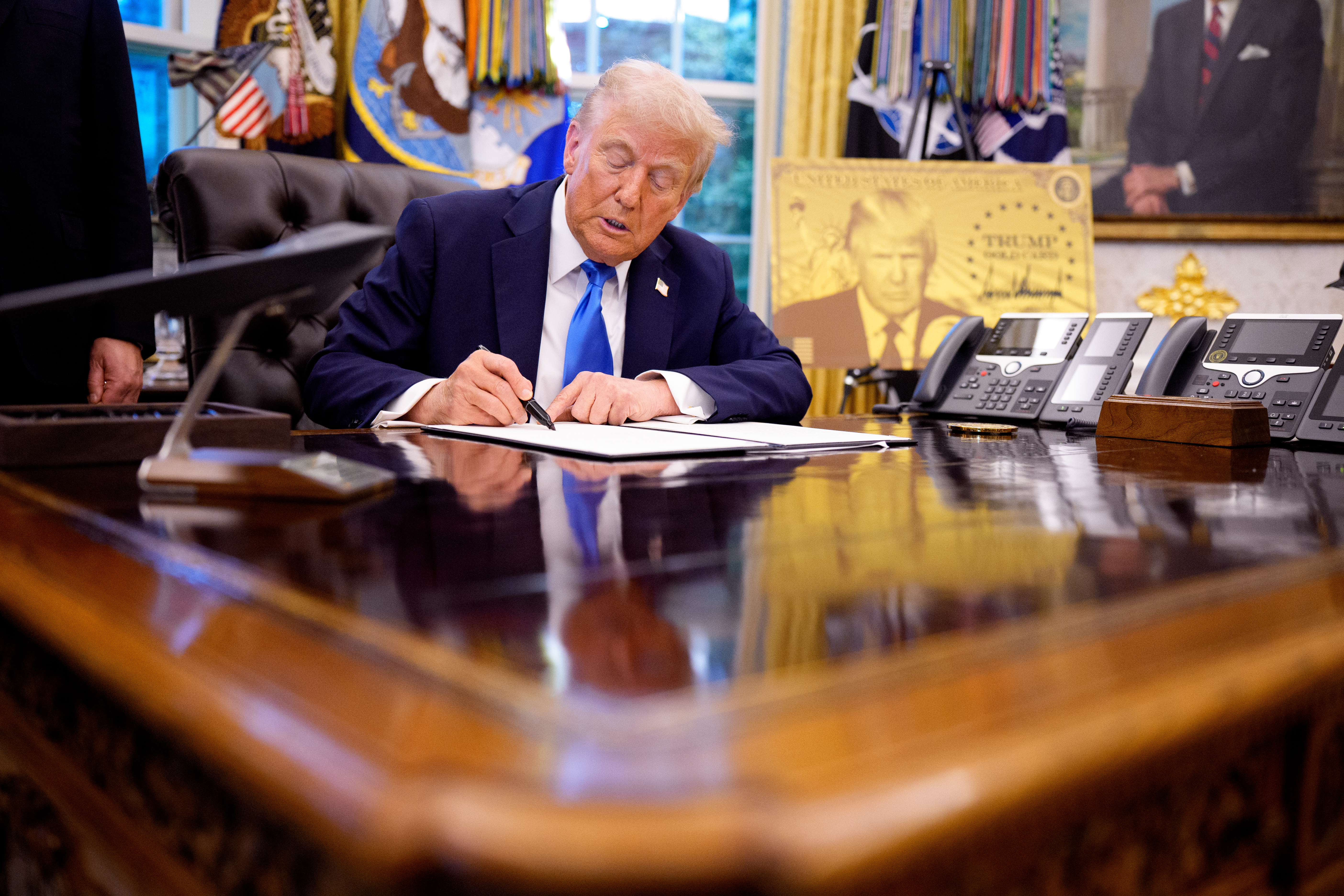
Donald Trump's H-1B Visa Moves Would Be Reversed Under New Proposal
Summary
A Democratic lawmaker introduced a new bill in the U.S. House to undo restrictions on the H-1B visa program set by President Donald Trump. The bill, called the Welcoming International Success Act (WISA Act), aims to remove high fees and wage requirements that were added to the visa process. These changes are intended to make it easier for U.S. companies to hire skilled foreign workers.Key Facts
- The H-1B visa program allows U.S. companies to hire foreign workers in specialized fields when no qualified American workers are available.
- President Trump's policies added high fees, including a $100,000 charge, for companies sponsoring H-1B workers and imposed tougher wage requirements.
- The proposed bill, if passed, would remove these fees and reverse the wage changes.
- The bill is designed to help U.S. companies and organizations by making it easier to hire skilled international employees.
- Representative Bonnie Watson Coleman from New Jersey introduced the bill.
- The U.S. issues tens of thousands of H-1B visas each year, with a cap of 65,000 regular visas plus 20,000 for those with advanced U.S. degrees.
- Critics of the current restrictions say they widen the talent gap, particularly in industries like technology and health care.
- An economic study found that U.S. companies save money by hiring H-1B workers, as they are generally paid less than comparable American workers.
Read the Full Article
This is a fact-based summary from The Actual News. Click below to read the complete story directly from the original source.