Summary
A conflict in Iran has severely disrupted oil transport, causing global oil prices to rise sharply. Despite the spike, world leaders have hesitated to use emergency oil reserves, as they aim to monitor the situation and possibly coordinate actions through the International Energy Agency (IEA).
Key Facts
- The conflict erupted in the Middle East, involving U.S. and Israeli attacks on Iran, affecting oil transport via the Strait of Hormuz.
- Oil prices have increased significantly, with Brent crude reaching nearly $120 a barrel before dropping to around $90.
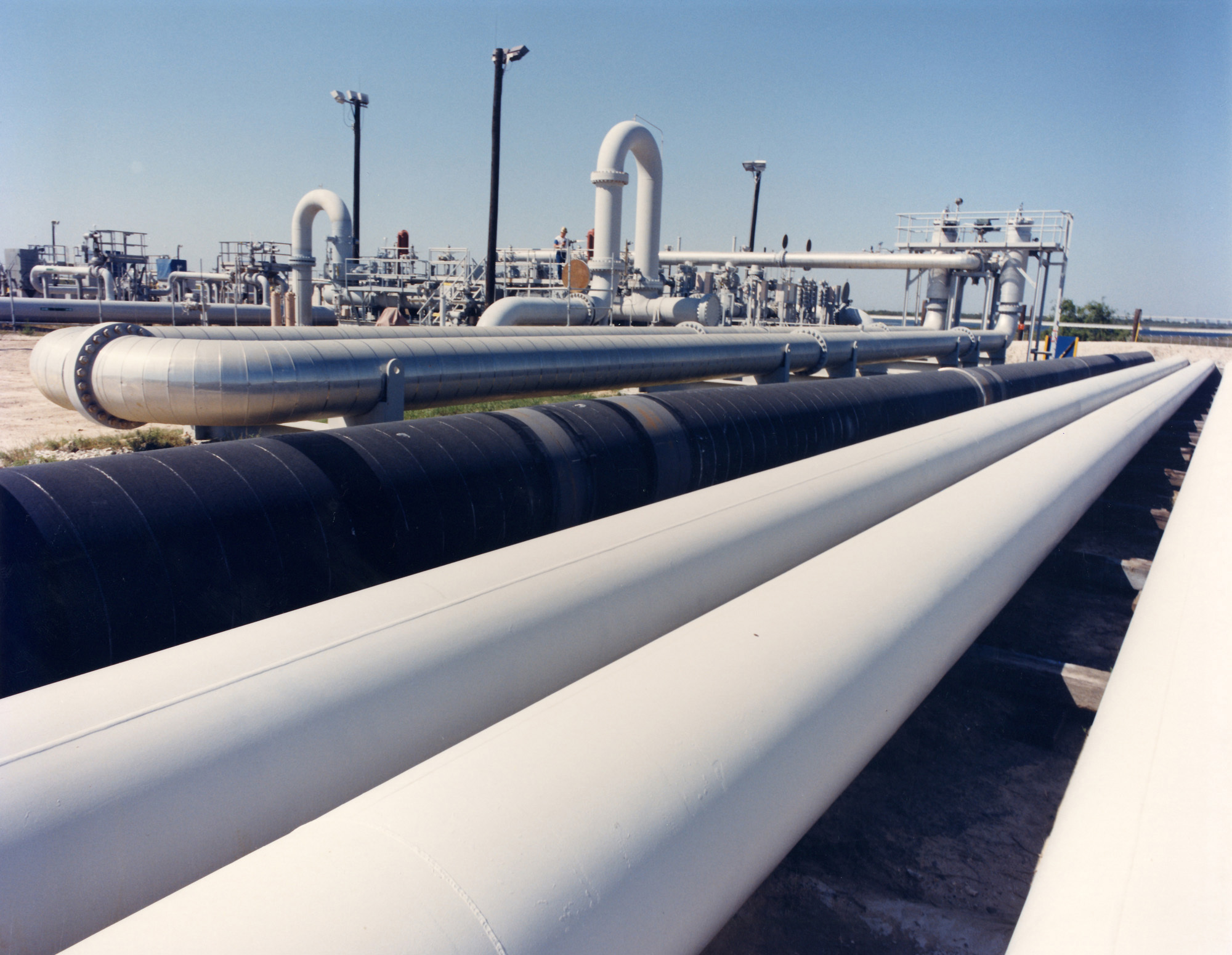
- Countries like the U.S. have large emergency oil reserves, with the U.S. reserve known as the Strategic Petroleum Reserve.
- Tapping into these reserves can have worldwide effects, requiring coordination among countries and with groups like the IEA.
- The IEA requires its member countries to hold oil reserves equal to at least 90 days of imports.
- President Donald Trump stated there is currently no need to use the U.S.'s oil reserves.
- The Group of Seven (G7) discussed the possibility but decided not to release strategic reserves at this time.
- The IEA noted significant risks in the market but leaders have chosen to delay using reserves for now.