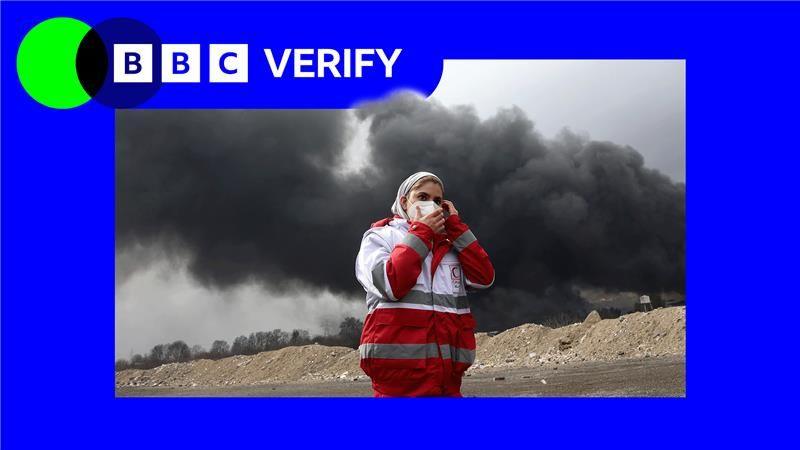
Air strikes cause black rain and 'unprecedented' pollution in Tehran, scientists say
Summary
Air strikes targeting oil facilities near Tehran have led to severe air pollution, including "black rain", affecting residents in the city. Satellite images show ongoing fires at damaged sites, with experts warning of serious health risks from the released pollutants. The U.S. and Israel have yet to comment on their involvement in the strikes.Key Facts
- Air strikes have damaged at least four oil facilities near Tehran since February 28.
- The attacks have caused a spike in air pollution, leading to a phenomenon known as "black rain".
- Satellite images from March 9 show oil facilities still burning in Tehran, affecting air quality.
- The World Health Organization is concerned about the potential health risks to nearly 10 million residents.
- The Israel Defense Forces previously mentioned hitting "fuel depots" near Tehran.
- Pollutants from the strikes include carbon monoxide, soot, sulfur, and nitrogen oxides.
- "Black rain" is contaminated rainfall resulting from pollutants in the air.
Read the Full Article
This is a fact-based summary from The Actual News. Click below to read the complete story directly from the original source.