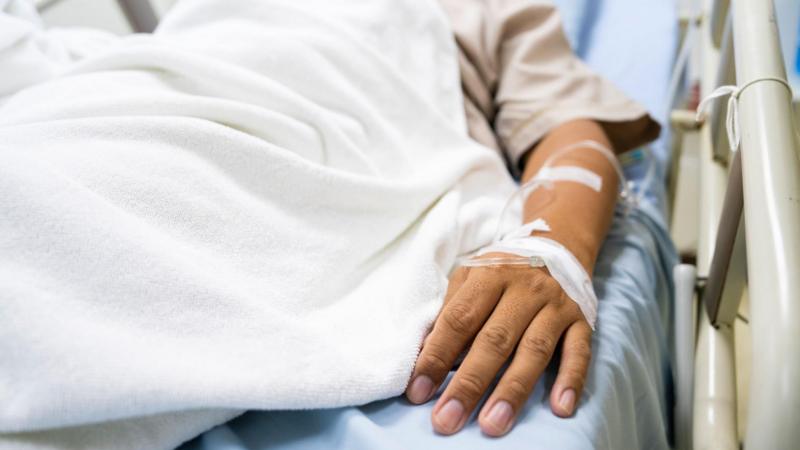
India's top court allows removal of life support of man in vegetative state
Summary
India's Supreme Court has ruled that life support can be removed for a man in a vegetative state for over a decade. This is India's first court-approved instance of passive euthanasia, which is legal since 2018. The decision followed an evaluation by medical boards confirming the man's lack of chance for recovery.Key Facts
- The case involves Harish Rana, who has been in a coma since 2013 after a fall.
- India's Supreme Court approved the removal of his life support.
- This is the first instance of court-approved passive euthanasia in India.
- Passive euthanasia, withdrawing life-sustaining treatment, was legalized in India in 2018.
- Harish Rana did not have a living will, which outlines one's medical care wishes.
- Two medical boards concluded that Rana had negligible chances of recovery.
- Rana's parents petitioned for years to have his life support removed due to financial and ethical reasons.
- Active euthanasia, which involves helping someone end their life, remains illegal in India.
Read the Full Article
This is a fact-based summary from The Actual News. Click below to read the complete story directly from the original source.