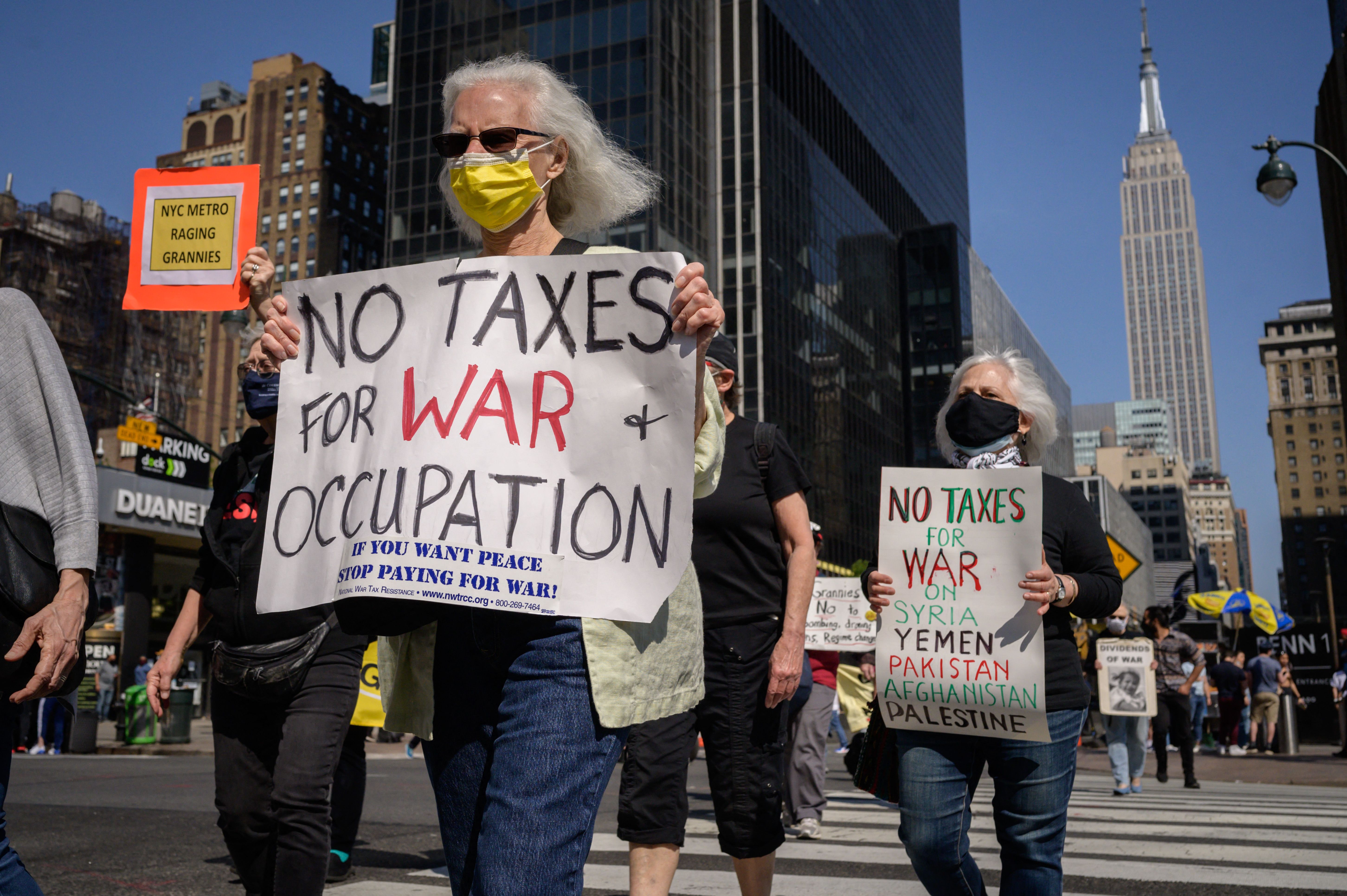
Americans Are Refusing To Pay Tax Over Trump Moves
Summary
Some Americans are saying on social media that they are not paying federal income taxes to protest policies from President Trump’s administration. They are particularly opposed to military spending and immigration enforcement. There are legal risks to this protest, as federal law requires paying taxes regardless of personal disagreements with how the money is used.Key Facts
- Some Americans are using social media to announce their refusal to pay federal income taxes as a form of protest.
- Reasons for protest include opposition to military operations and immigration enforcement in the U.S.
- A Chicago lawyer said she would not pay her $8,800 federal income tax due, citing opposition to Immigration Customs and Enforcement (ICE).
- The IRS states that not paying federal taxes can lead to penalties, interest, and enforcement actions such as wage garnishments.
- The U.S. Supreme Court has ruled that people must follow tax laws, even if they disagree politically or religiously.
- Political tax resistance in the U.S. has historical roots, including protests like the Boston Tea Party and actions during the Vietnam War.
- The National War Tax Resistance Coordinating Committee reported increased interest in tax resistance during President Trump’s second term.
Read the Full Article
This is a fact-based summary from The Actual News. Click below to read the complete story directly from the original source.