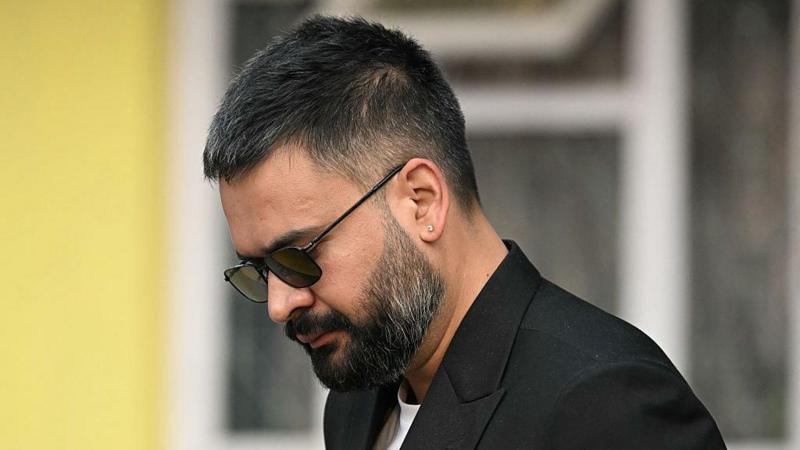
A young party led by a rapper wins a huge mandate - and Nepal steps into the unknown
Summary
In recent elections, Nepal's young political party, Rastriya Swatantra Party (RSP) led by rapper and politician Balendra Shah, won a significant majority. The party's success disrupts long-standing political structures, as they promise to tackle corruption and reform judicial and public systems. Shah's victory marks a shift in Nepal's political landscape, though his lack of extensive experience poses new challenges.Key Facts
- The Rastriya Swatantra Party (RSP) was formed four years ago and is led by Balendra Shah, a rapper-turned-politician.
- The RSP won a large majority in Nepal's recent elections, surprising many due to Nepal's dual-election system.
- Former Prime Minister KP Sharma Oli lost his seat in Jhapa 5, a significant change in local politics.
- Many voters see the RSP's victory as a break from decades of perceived corruption and political stagnation.
- Balendra Shah previously served as mayor of Kathmandu and faced criticism for his approach to handling street vendors.
- The RSP has promised to investigate corruption, particularly targeting those in power since the 1990s.
- They aim to reform the judiciary by ending political appointments of judges and possibly live-streaming trials.
- The RSP also plans to focus on economic growth and address youth unemployment, which is around 20% in Nepal.
Read the Full Article
This is a fact-based summary from The Actual News. Click below to read the complete story directly from the original source.