What are peptides, and are they safe? Here's what to know
Summary
Peptides are small protein fragments found naturally in the body, and they can also be made in labs for medical use. Some peptides have FDA approval for certain treatments, while others are sold without approval, raising safety concerns. The FDA has recently restricted some peptides due to safety issues, leading to a rise in online sales labeled for "research use only."Key Facts
- Peptides are short chains of amino acids, which are the building blocks of proteins.
- Insulin, important for blood sugar regulation, is an example of a peptide.
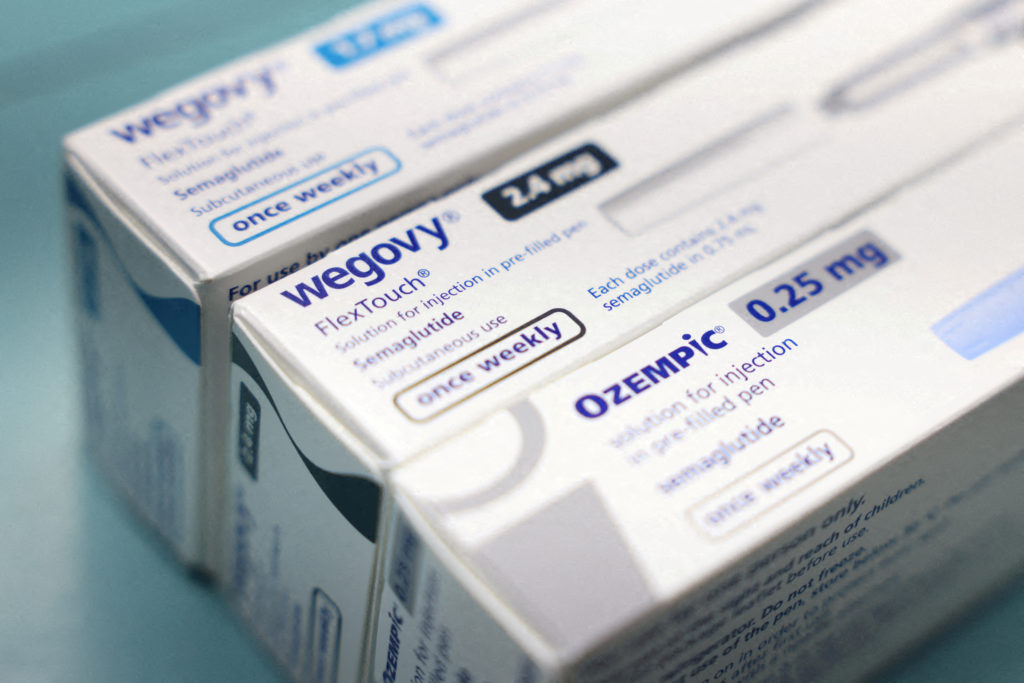
- The FDA has approved certain peptide medications for specific uses like hormone production and treating disorders.
- Many peptides used in wellness and fitness are not approved by the FDA.
- There is limited safety and effectiveness data on peptides that have not been FDA-approved.
- The FDA restricted the compounding of some peptides in 2023 due to safety concerns.
- Unapproved peptides are often sold online as "research chemicals," despite being used by consumers.
- There is uncertainty about the correct dosage and long-term effects of unapproved peptides.
Read the Full Article
This is a fact-based summary from The Actual News. Click below to read the complete story directly from the original source.