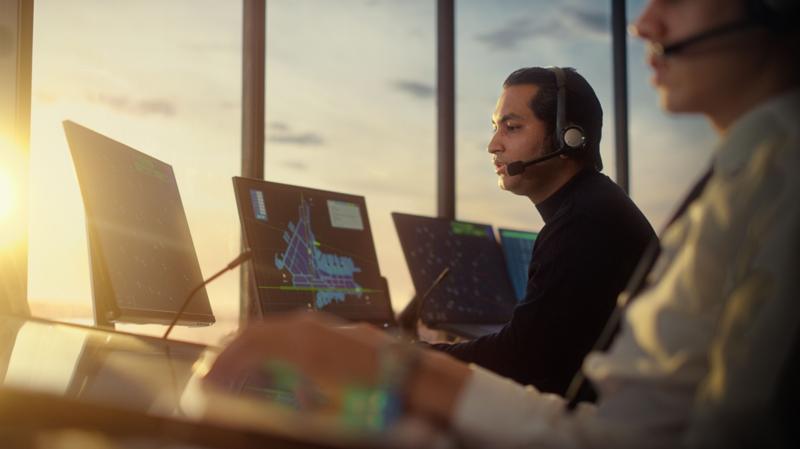
How passenger planes keep flying during a war
Summary
During conflicts, air traffic controllers guide passenger planes through safer airspaces to avoid danger. They use flight tracking to manage airspace, often doubling their workload, and are rotated frequently due to stress. Pilots and airlines plan ahead for potential issues to maintain safety.Key Facts
- Air traffic controllers guide planes through safe but busy airspaces during conflicts.
- Controllers often manage more planes at once during wars, increasing their workload.
- Controllers work shorter, more frequent shifts to handle stress.
- The 2014 Malaysia Airlines MH17 incident highlights risks of flying over conflict zones.
- Communication with pilots about routes, fuel, and landing options is crucial.
- Smaller jets need more clearance due to turbulence from larger planes.
- Pilots and airlines plan for alternative routes to avoid conflict zones.
- Safety procedures are closely followed to keep flights orderly and safe.
Read the Full Article
This is a fact-based summary from The Actual News. Click below to read the complete story directly from the original source.