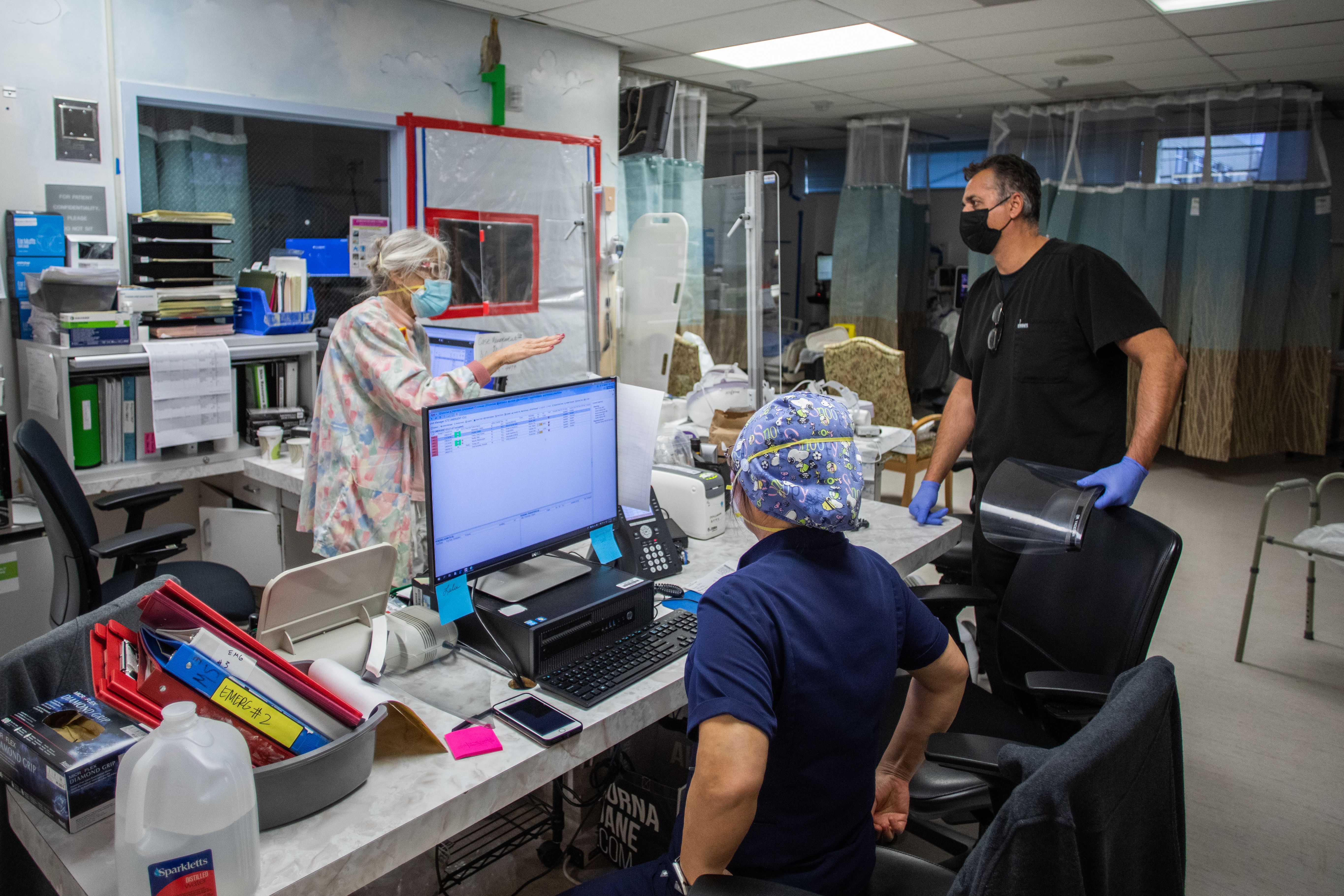
Why Health Care Is Failing: We’re Treating a Living System Like a Machine
Summary
This article discusses why health care systems worldwide struggle to improve despite significant spending. The author explains that health care is a complex system and treating it like a simple, predictable system has led to repeated reform failures. The piece suggests that health care requires adaptive and flexible approaches for better outcomes.Key Facts
- Emergency rooms are overcrowded, and clinicians are experiencing burnout.
- Patients often face long waiting times for medical care.
- Health care systems worldwide spend trillions of dollars yearly without significant improvement.
- The article suggests that health care is a complex system, needing adaptive strategies rather than rigid controls.
- Current reforms often apply industrial thinking, which doesn't align with the nature of health care systems.
- Policy changes can have unintended effects due to the complex interactions within health care systems.
- Centralized control can make health care systems more fragile instead of stronger.
- The author advocates for decentralized decision-making, allowing local adaptation in health care practices.
Read the Full Article
This is a fact-based summary from The Actual News. Click below to read the complete story directly from the original source.