Lab-grown food pipe offers new hope for young patients
Summary
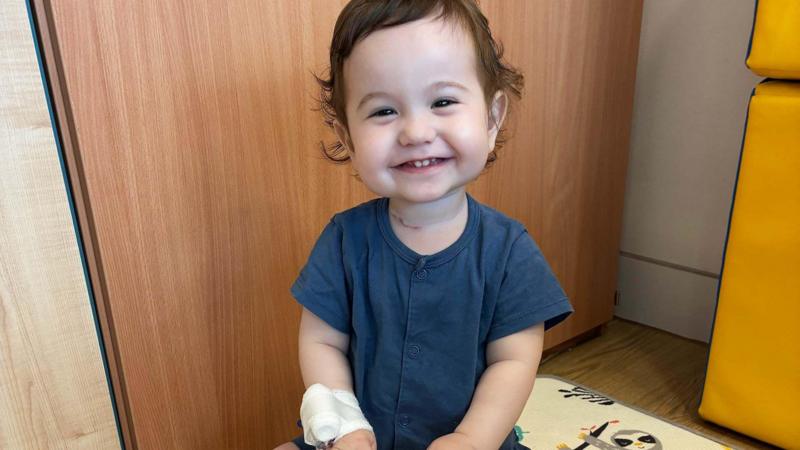
Scientists in the UK have successfully grown and transplanted functioning food pipes, also known as esophagi, into mini pigs. This research could lead to future treatments for children born with missing parts of their esophagus, like two-year-old Casey Mcintyre, who currently relies on feeding tubes due to his condition.Key Facts
- UK scientists have lab-grown esophagi and transplanted them into mini pigs.
- This breakthrough offers hope for children born with parts of their esophagus missing.
- Casey Mcintyre, a two-year-old, was born with 11 cm of his esophagus missing.
- Traditional treatments for Casey involved multiple surgeries, including moving his stomach.
- The lab-grown esophagus was created using the animal's own cells, avoiding the need for anti-rejection drugs.
- Göttingen minipigs were used because their anatomy is similar to that of human children.
- Eight pigs received transplants; five survived six months and developed functional structures.
- The treatment may be available for children within five years but is not suitable for adult conditions like cancer.
Read the Full Article
This is a fact-based summary from The Actual News. Click below to read the complete story directly from the original source.