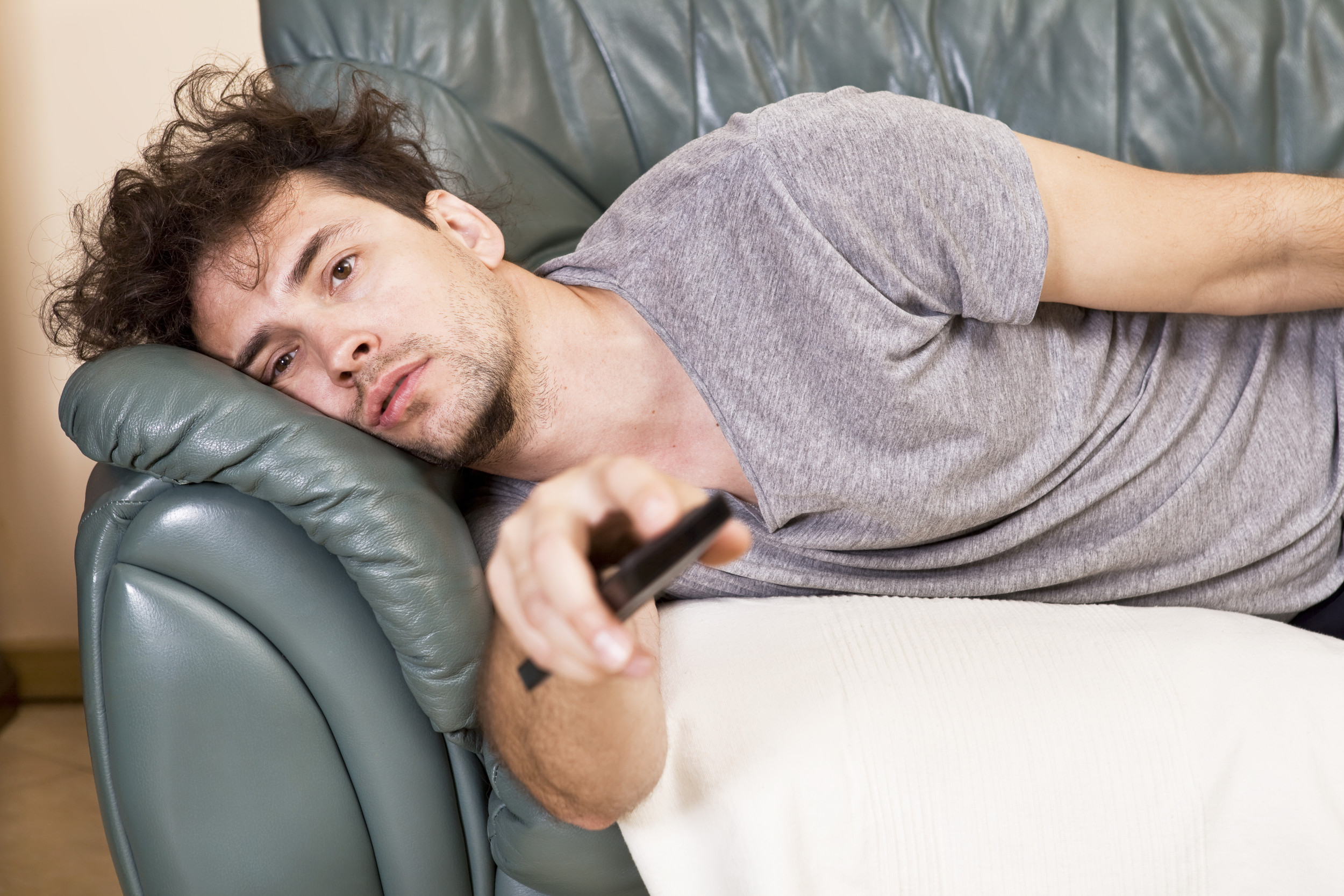
Why You May Want To Skip That Next Binge Watch
Summary
Research shows that binge-watching TV is linked to sleep problems. Watching screens before bed can disrupt sleep because of blue light and exciting content that keeps the brain active.Key Facts
- 61% of adults say they often binge-watch TV shows.
- Binge-watching sessions average 3-4 hours, often late at night.
- Blue light from screens can lower melatonin levels by up to 50%, making it harder to fall asleep.
- Watching exciting or dramatic TV shows at night can keep the brain active, affecting sleep.
- Sleep disruption from binge-watching can cause fatigue, mood swings, and health problems.
- Watching screens within two hours before bed has the biggest impact on sleep quality.
Read the Full Article
This is a fact-based summary from The Actual News. Click below to read the complete story directly from the original source.