Summary
Quebec's secularism law, known as Bill 21, bars some public workers from wearing religious symbols. The law is now being challenged in Canada's Supreme Court. It has significantly impacted Muslim women in Quebec, who say it makes jobs harder to find and affects their feeling of belonging in the province.
Key Facts
- Since 2019, Quebec's secularism law has prevented certain public sector workers from wearing religious attire at work.
- The Supreme Court of Canada will soon hear a case challenging the law's constitutionality.
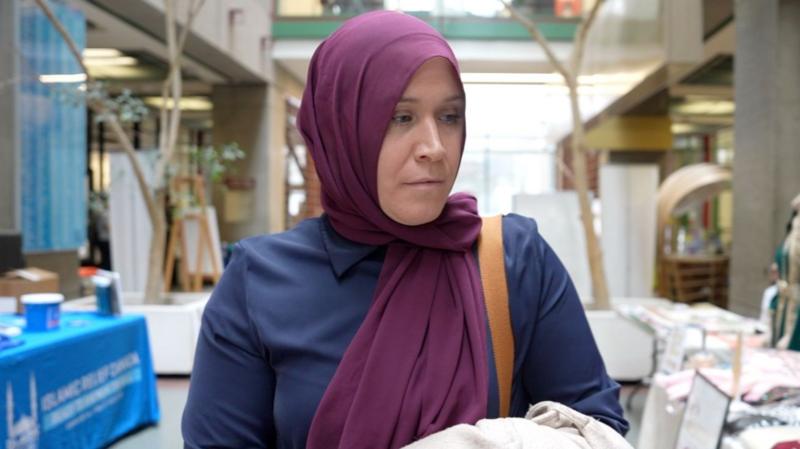
- Muslim women, who form a significant portion of Quebec's population, feel particularly affected by this law.
- A study found that 73% of Muslim women felt the law impacted their job search, with many considering leaving the province.
- Many public employees, such as judges, police officers, and teachers, cannot wear visible religious symbols if they hold positions of "authority".
- Advocates for the law argue it promotes secularism and neutrality in public life.
- Critics say it has led to social segregation, with some people choosing jobs in a more religiously inclusive setting.
- The law reflects Quebec's historical move away from religion in public institutions, a shift that began during the Quiet Revolution in the 1960s.