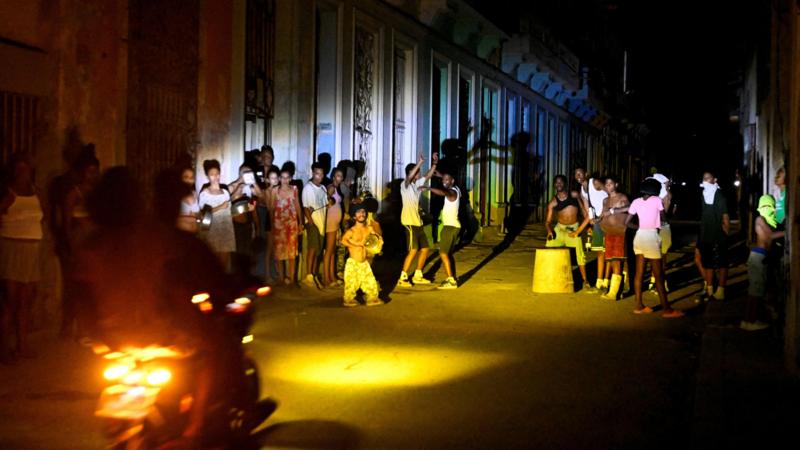
National blackout hits Cuba for second time in a week
Summary
Cuba has experienced a national blackout affecting over 10 million people, marking the second power grid collapse in a week. The country's aging infrastructure and a U.S. fuel blockade have contributed to the energy crisis, with efforts underway to restore power. Meanwhile, international support and protests have emerged in response to the ongoing situation.Key Facts
- Cuba's national electrical grid collapsed, leading to widespread power outages for more than 10 million residents.
- The blackout is the second such incident in a week.
- Cuba's energy ministry announced they are working to restore electricity, prioritizing essential services like hospitals and water systems.
- A U.S. fuel blockade is making it difficult to import the oil needed for power stations.
- An international coalition provided aid, including solar panels and food kits, to support Cuba.
- Protests occurred in central Havana and Morón, stemming from dissatisfaction with the situation.
- Unapproved demonstrations in Cuba are illegal, and participants risk imprisonment.
- President Trump has suggested conditions for lifting the fuel embargo, including political changes in Cuba.
- Initial discussions between U.S. and Cuban officials are underway, but their progress is unclear.
Read the Full Article
This is a fact-based summary from The Actual News. Click below to read the complete story directly from the original source.