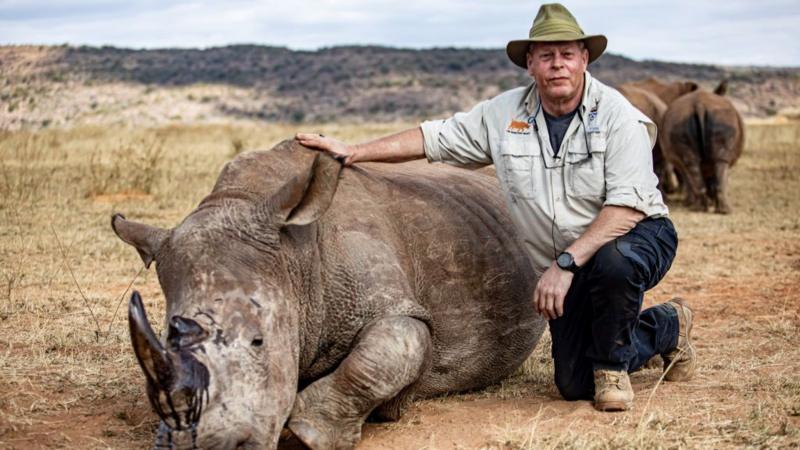
Rhino horns turned radioactive to fight poachers in South Africa
Summary
Scientists in South Africa have started a project to inject rhino horns with a radioactive material to help customs officers detect smuggled horns and combat poaching. The Rhisotope Project, backed by the University of the Witwatersrand, has been tested on 20 rhinos and is said to be safe for the animals, while costing about £220,000. South Africa, home to the largest rhino population, faces significant poaching issues, with more than 400 rhinos poached each year since 2021.Key Facts
- The Rhisotope Project involves injecting rhino horns with radioactive material to fight poaching.
- The process helps customs detect smuggled rhino horns and is claimed to be safe for the animals.
- Over 400 rhinos have been poached in South Africa each year since 2021.
- The project took six years of research and testing and cost around £220,000 ($290,000).
- Detection technology can find the radioactive horns even in large shipping containers.
- The initiative collaborates with the International Atomic Energy Agency.
- The project aims to protect rhinos, a species facing heavy poaching for their horns used in medicine and as status symbols.
- White rhinos are threatened, and black rhinos are critically endangered.
Read the Full Article
This is a fact-based summary from The Actual News. Click below to read the complete story directly from the original source.