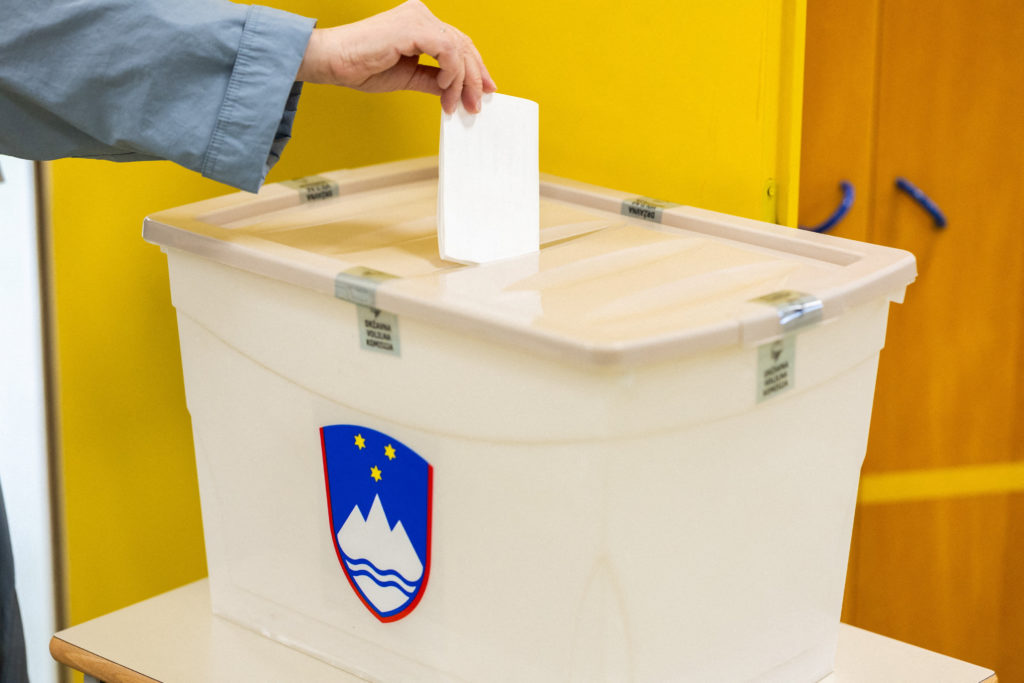
Slovenia's governing liberals and right-wing populists neck and neck, preliminary results show
Summary
Slovenia's recent parliamentary election ended with the governing liberals and the opposition right-wing populists both gaining over 28% of the votes. This result means no party has a clear majority, creating uncertainty about future government alliances. The election highlights Slovenia's political divisions and may influence its future direction in the European Union.Key Facts
- Slovenia held a parliamentary election with close results between the liberals and right-wing populists.
- Prime Minister Robert Golob's center-left Freedom Movement and the Slovenian Democratic Party (SDS) each received over 28% of the vote.
- With about 97% of the votes counted, no party has a majority in the 90-member parliament.
- Future government formation will require alliances with smaller parties.
- Robert Golob's government is known for its liberal stance and pro-Palestinian policies.
- Janez Jansa, leader of the SDS, is a populist politician and supports stronger ties with Israel.
- Allegations of election-related corruption involving secret recordings have emerged, leading to an ongoing investigation.
- Slovenia has a history of political swings between liberal and conservative leadership since gaining independence in 1991.
Read the Full Article
This is a fact-based summary from The Actual News. Click below to read the complete story directly from the original source.