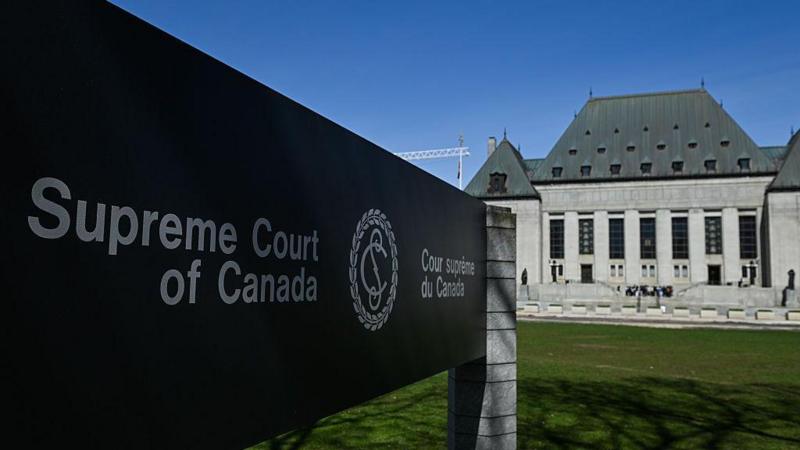
How a ban on religious symbols has triggered a Canadian constitutional debate
Summary
A Quebec law known as Bill 21, which bans civil servants from wearing religious symbols at work, is being challenged in Canada's Supreme Court. The case will examine the use of the "notwithstanding clause," which allows governments to bypass certain constitutional rights. Quebec's use of this clause has sparked widespread debate about religious expression and constitutional limits in Canada.Key Facts
- Bill 21 prohibits judges, police, teachers, and other civil servants in Quebec from wearing religious symbols at work.
- The law was passed by the Coalition Avenir Quebec (CAQ) in 2019.
- The "notwithstanding clause" was applied to protect Bill 21 from legal challenges; it allows governments to override specific constitutional rights.
- Over 50 groups, including the federal government, are participating in the Supreme Court hearings on the case.
- The Canadian Civil Liberties Association argues that the clause could be misused to limit critical freedoms.
- The clause has a five-year effectiveness period, after which it can be renewed.
- In a historical context, the clause was introduced to balance power between courts and governments when drafting Canada's constitutional charter in the 1980s.
- Polls indicate that most people in Quebec support Bill 21.
Read the Full Article
This is a fact-based summary from The Actual News. Click below to read the complete story directly from the original source.