Summary
The U.S. weight-loss drug market is experiencing intense competition as companies lower prices and target consumers directly due to limited insurance coverage. Manufacturers like Eli Lilly have reduced drug prices, and direct-to-consumer sales strategies aim to address high prescription costs in the U.S.
Key Facts
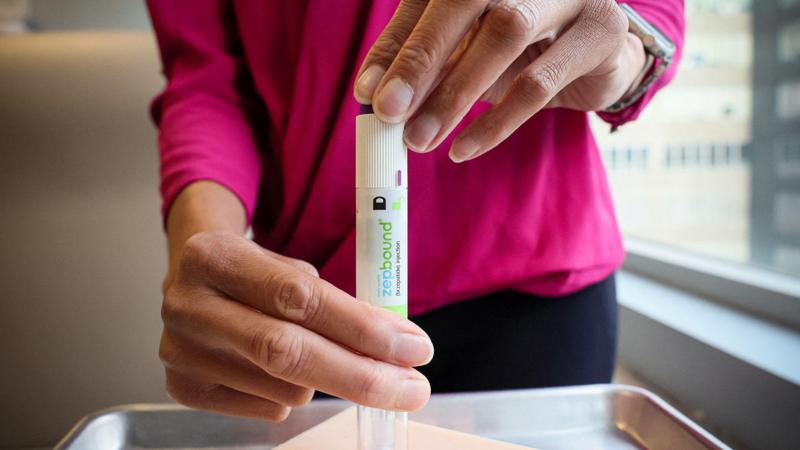
- Ruth Gonzalez spends $350 monthly on the weight-loss drug Zepbound, managing costs due to lack of insurance coverage.
- Eli Lilly cut the price of Zepbound, allowing patients to afford more potent doses.
- The U.S. obesity rate is about 40%, making the weight-loss drug market lucrative.
- Many insurers refuse to cover GLP-1 weight-loss drugs for weight-only treatment, leaving patients to self-pay.
- Companies sell directly to consumers using sales websites and partnerships with retailers like Walmart.
- Starting doses of Wegovy and Zepbound have significantly reduced prices since launch.
- The direct-to-consumer model is highlighted as a potential method to decrease drug costs in the U.S.
- President Trump supports direct-to-consumer sales and launched TrumpRx, a site connecting consumers with manufacturers.