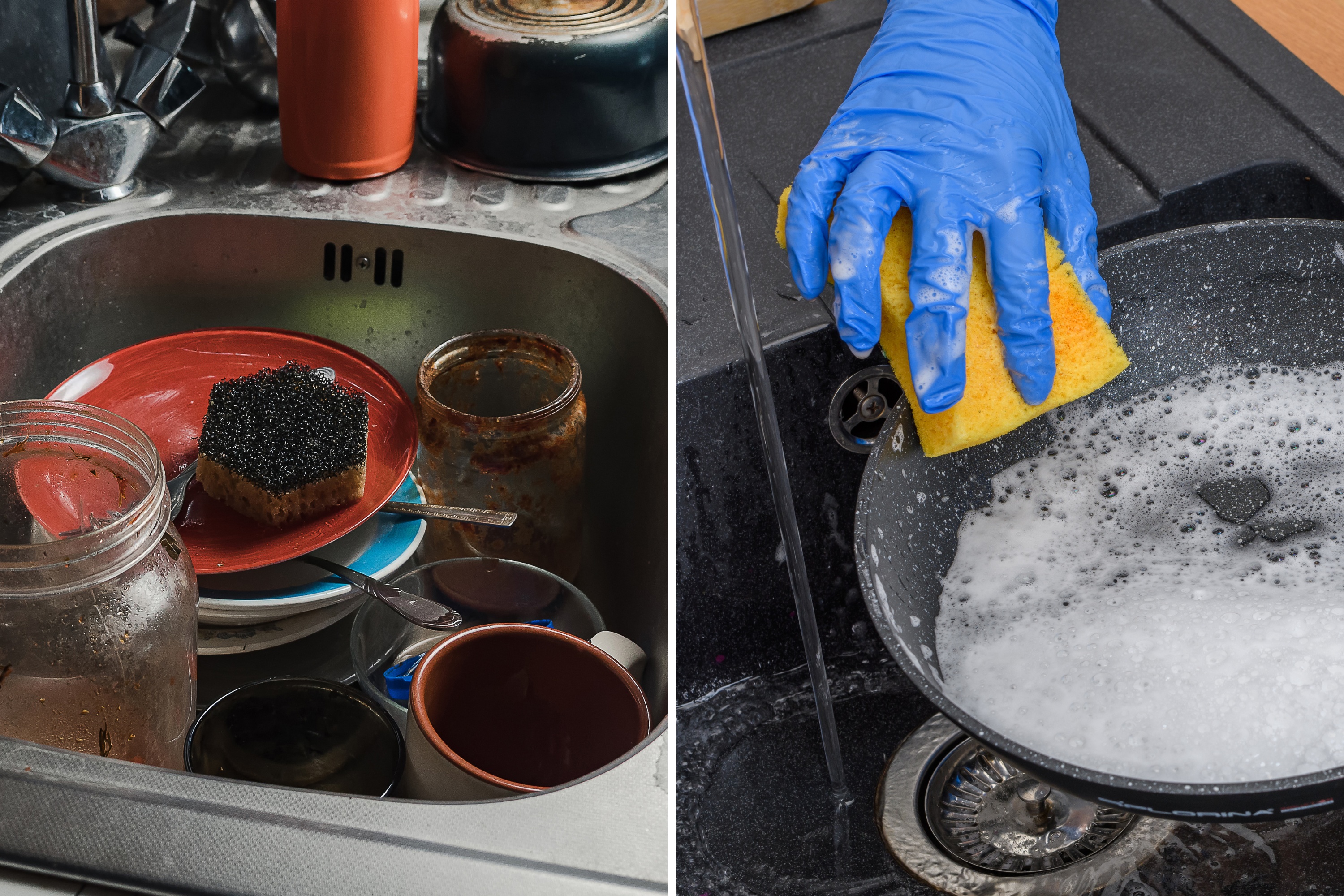
Scientists Warn of Harmful Release from Kitchen Sponges
Summary
Scientists from the University of Bonn studied kitchen sponges and found they release microplastics during dishwashing. However, water usage during manual dishwashing has a larger environmental impact than the microplastics from sponges.Key Facts
- Kitchen sponges can release microplastic particles when used.
- The study was conducted by researchers in Germany and included real-world household data.
- Different types of sponges released different amounts of microplastics, ranging from 0.68 to 4.21 grams per person annually.
- Water consumption during manual dishwashing significantly contributes to environmental damage, more than microplastic release.
- Using a dishwasher can be more water-efficient than washing dishes by hand.
- In Germany, widespread use of a specific sponge type could release up to 355 tonnes of microplastics yearly.
- Wastewater treatment plants catch most microplastics, but some still enter the environment.
Read the Full Article
This is a fact-based summary from The Actual News. Click below to read the complete story directly from the original source.