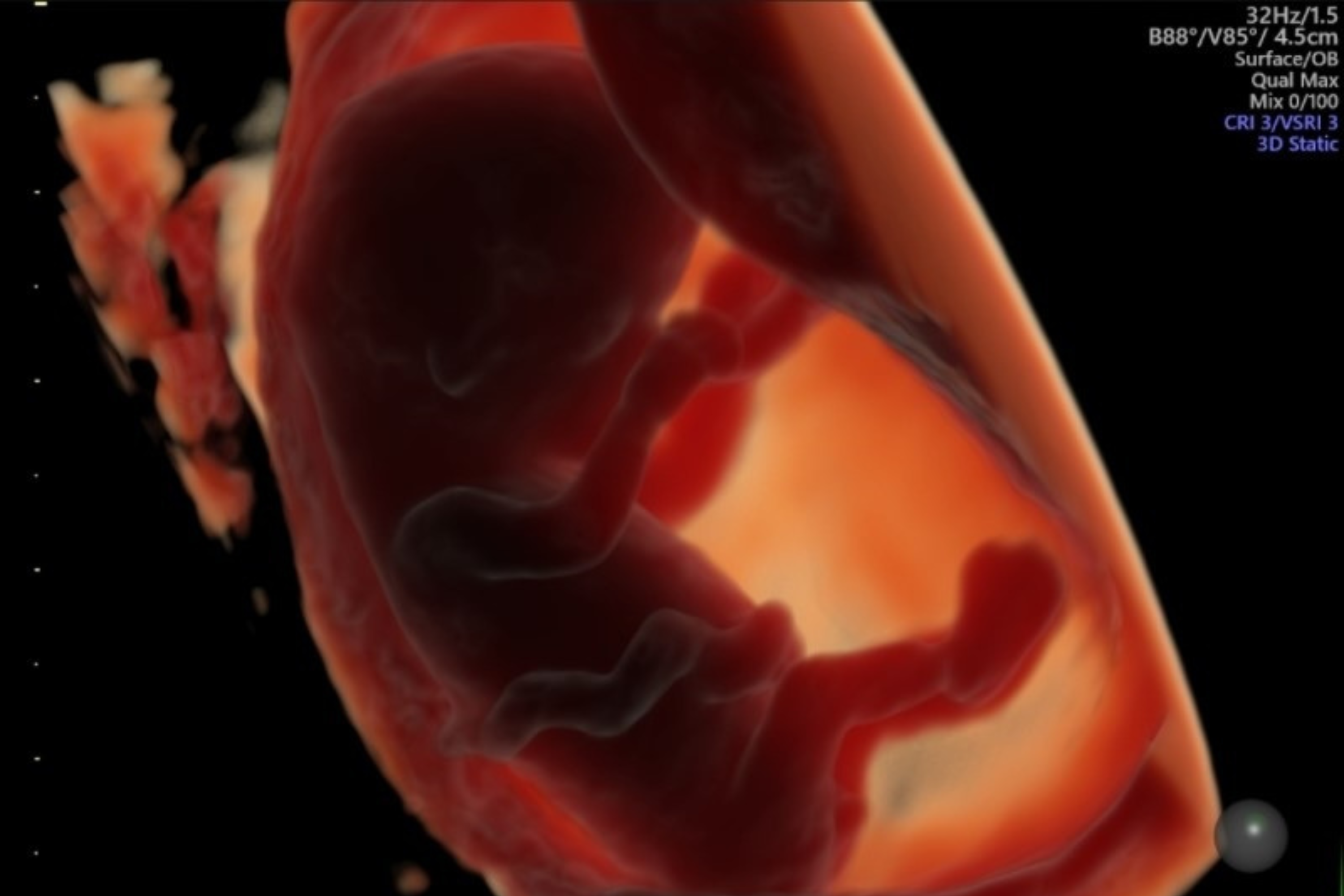
Common Foods Linked to Reduced Male Fertility and Slower Embryo Growth
Summary
A study in the Netherlands looked at how eating ultra-processed foods (UPFs) might affect male fertility and early embryo growth. Researchers found that men who ate more UPFs had a harder time conceiving and were more likely to experience "subfertility." While women did not see as strong a direct link to fertility issues, UPFs were associated with smaller embryo and yolk sac sizes early in pregnancy.Key Facts
- The study involved over 800 women and 650 men in the Netherlands.
- Ultra-processed foods include packaged snacks, fizzy drinks, processed meats, and ready-to-eat meals.
- These foods made up about a quarter of daily intake for both men and women in the study.
- Men eating more UPFs had a harder time conceiving within 12 months.
- Higher UPF consumption is linked to poorer sperm quality, including reduced motility.
- Among women, more UPF intake related to smaller embryo size early in pregnancy.
- Small diet changes, like choosing whole grains and plain yogurt, can reduce UPF intake.
- The study suggests that fertility-related care should include both partners, not just women.
Read the Full Article
This is a fact-based summary from The Actual News. Click below to read the complete story directly from the original source.