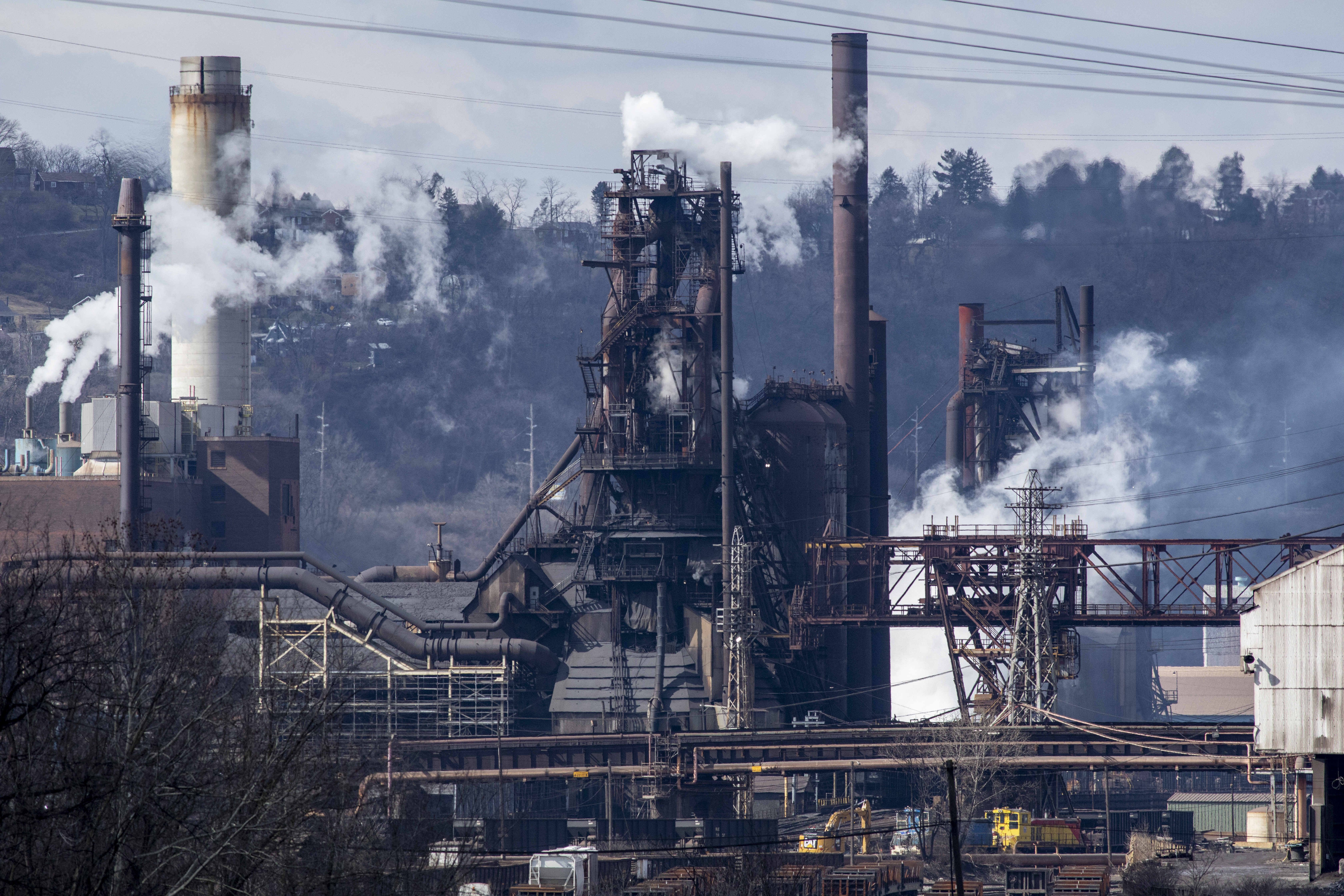
US City Lies in Pollution ‘Hot Spot’ That Kills 3,000 Each Year
Summary
Researchers found that air pollution in the Pittsburgh area causes over 3,000 deaths annually, even when levels are below current federal standards. The study links the pollution to various health issues and highlights a gap between public health findings and U.S. air policies.Key Facts
- Air pollution in Pittsburgh and nearby areas leads to more than 3,000 deaths each year.
- Pollution in southwestern Pennsylvania is one of the most dangerous in the U.S.
- The study focused on fine particle pollution, known as PM2.5, which affects health by entering the lungs and bloodstream.
- About 11-12.5% of adult deaths in the region in 2019 were linked to PM2.5 exposure.
- The pollution was also connected to premature births, low birth weight, and stillbirths.
- Even children’s IQs were affected, with an average loss of about 2.5 IQ points per child.
- Many harmful effects occurred at pollution levels below current federal limits.
- The EPA plans to raise the allowable PM2.5 limits, which may impact health further.
Read the Full Article
This is a fact-based summary from The Actual News. Click below to read the complete story directly from the original source.