Summary
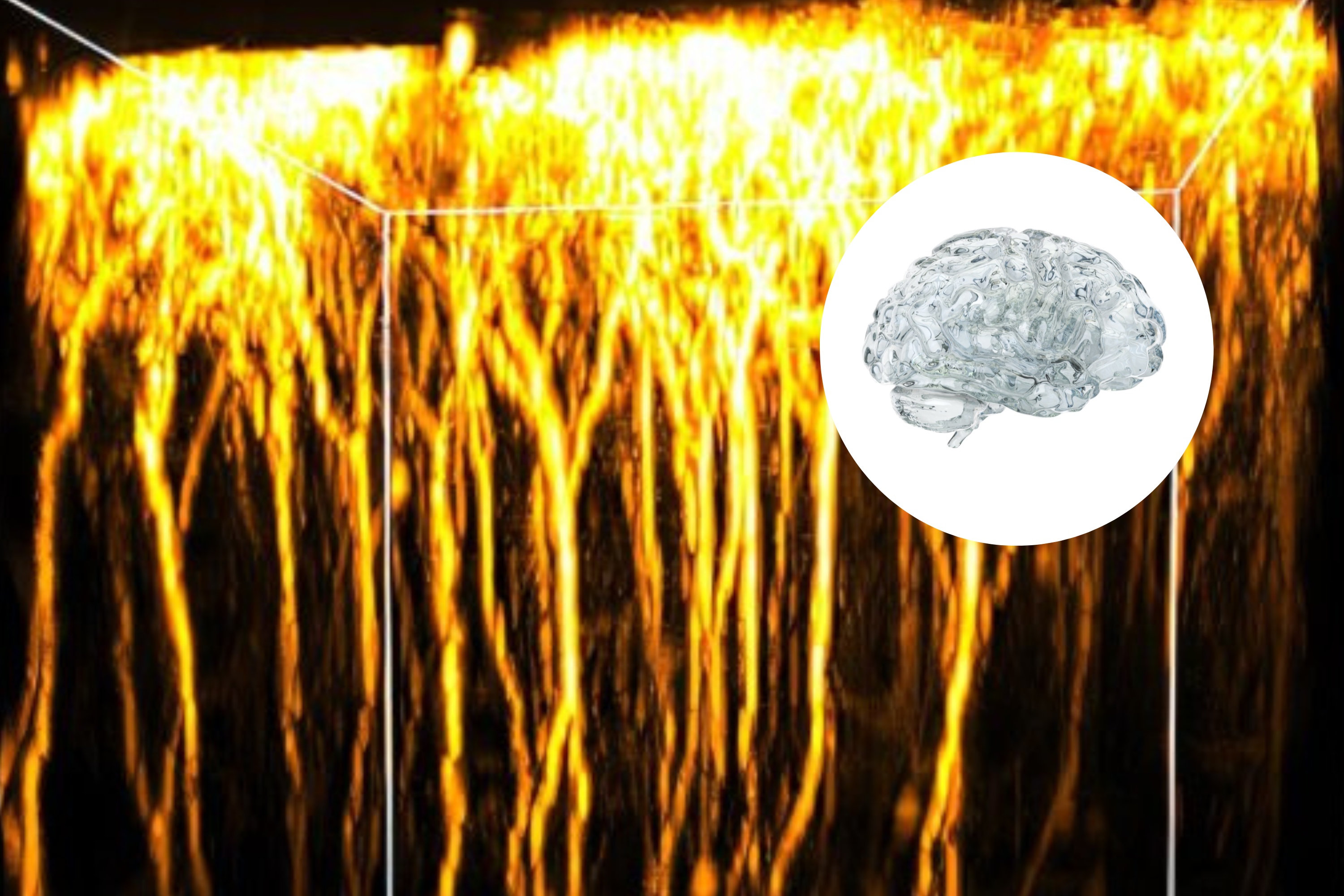
Scientists from Kyushu University in Japan have developed a new chemical tool called "SeeDB-Live," which makes a living brain transparent without affecting its function. This allows researchers to observe brain activity in real-time, watching individual neurons fire. The tool uses albumin, a protein found in blood, to achieve transparency while keeping brain cells healthy.
Key Facts
- Researchers managed to make a living brain transparent, enabling deep-tissue imaging.
- The tool used to achieve this is called "SeeDB-Live."
- SeeDB-Live uses albumin, a protein commonly found in blood, to make tissue see-through.
- Brain transparency helps study brain functions without altering biology.
- Researchers discovered the optimal refractive index to make brain cells clear is between 1.36 and 1.37.
- Albumin maintains "osmotic balance," which is crucial for keeping brain cells healthy during the process.
- Traditional substances, like sugar, failed because they caused dehydration in brain cells.
- The new method allows scientists to observe neuron activity and could aid in drug research.