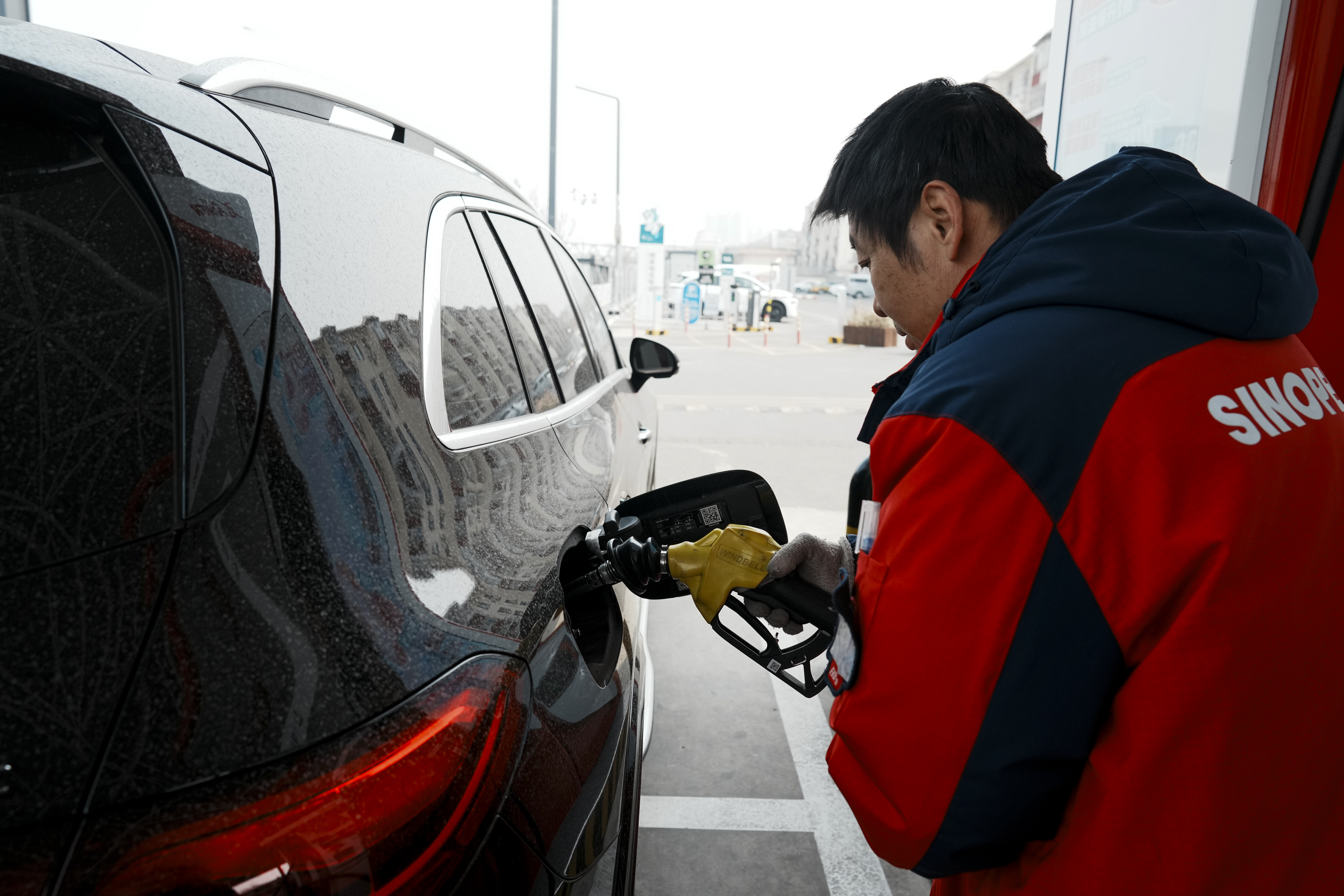
China and Asian Countries Forced to Take Action on Oil Crunch
Summary
China has set a cap on fuel prices due to disruptions in oil flows caused by a conflict involving the U.S., Israel, and Iran. This disruption affects Asia significantly as a large portion of the world's oil is shipped through the Strait of Hormuz. Several Asian countries have taken steps to manage their fuel supplies amidst these challenges.Key Facts
- China capped fuel prices for the first time in over ten years due to oil supply disruptions.
- The U.S.-Israeli conflict with Iran disrupted oil shipping, particularly through the Strait of Hormuz.
- As much as 25% of the world's seaborne oil trade passes through the Strait of Hormuz, impacting Asia heavily.
- China set gasoline and diesel price ceilings at RMB 1,160 and RMB 1,115 per ton, respectively.
- China ordered major energy companies to ensure stable production and transport of refined products.
- Other Asian countries like Japan, South Korea, Vietnam, and the Philippines have also taken measures to deal with the oil supply disruption.
- The Philippines declared a national energy emergency due to its heavy reliance on Middle Eastern oil imports.
Read the Full Article
This is a fact-based summary from The Actual News. Click below to read the complete story directly from the original source.