Summary
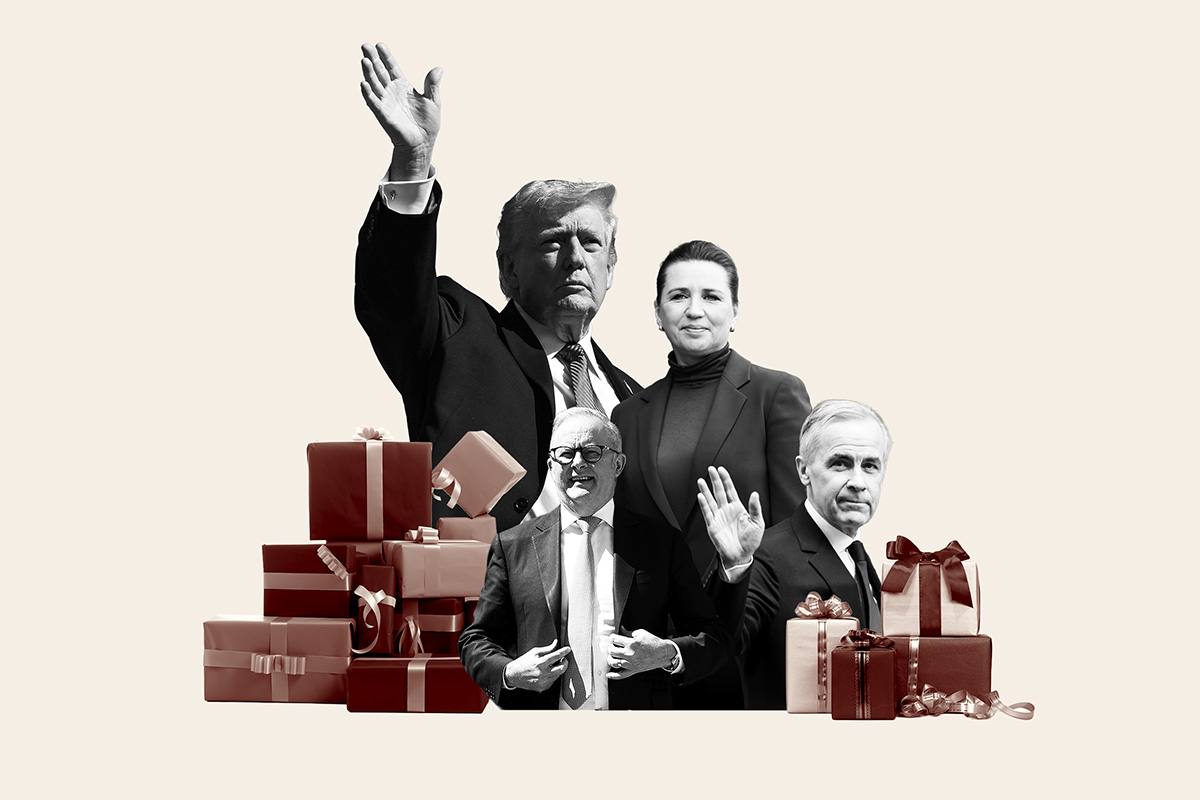
In Denmark, the left-leaning parties, led by the Social Democrats, did not perform as well as expected in recent elections, partly influenced by President Donald Trump's statements about acquiring Greenland. Although the left-leaning bloc won more seats than the right-leaning bloc, no party gained a majority, leaving the centrist parties in a position to influence the formation of the new government.
Key Facts
- Denmark's left-leaning "red bloc" won 84 seats, while the right-leaning "blue bloc" won 77 seats.
- No party gained an outright majority in the Danish legislature.
- The Moderate party, a centrist party, will play a crucial role in forming the government.
- President Trump's comments about acquiring Greenland affected public opinion and Danish elections.
- Prime Minister Mette Frederiksen leads the Social Democrats and opposed Trump's Greenland acquisition idea.
- Frederiksen called the early election in February following increased support amid Trump's Greenland rhetoric.
- Polls showed a fluctuating advantage between the left and right blocs before the election.
- Denmark operates a multiparty system, requiring post-election negotiations to form a government.