Summary
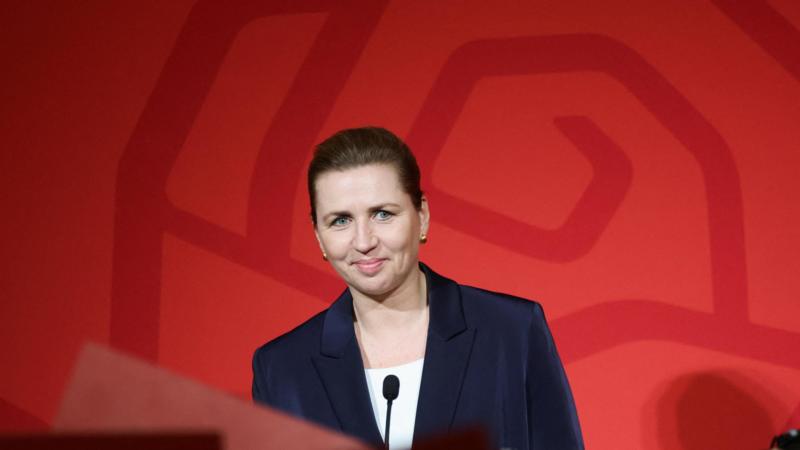
In Denmark's recent general election, the Social Democrats, led by Prime Minister Mette Frederiksen, received the most votes but did not secure a majority. This means tough negotiations will be necessary since Denmark usually forms coalition governments. The election saw various parties competing, but the red and blue blocs both fell short of the majority needed to form a government alone.
Key Facts
- The Social Democrats won 21.9% of the vote, gaining 38 seats in parliament.
- Denmark's parliament requires 90 seats for a majority out of 179 total.
- The "red bloc" of left-wing parties holds 84 seats, while the "blue bloc" has 77.
- The Moderates, with 14 seats, can play a key role in coalition building.
- Mette Frederiksen has led the Social Democrats since 2019 and is seeking a third term.
- Denmark's election involved 12 political parties competing for influence.
- Domestic issues such as the cost of living were key topics during the election.
- Discussions and negotiations are expected to decide the next government.