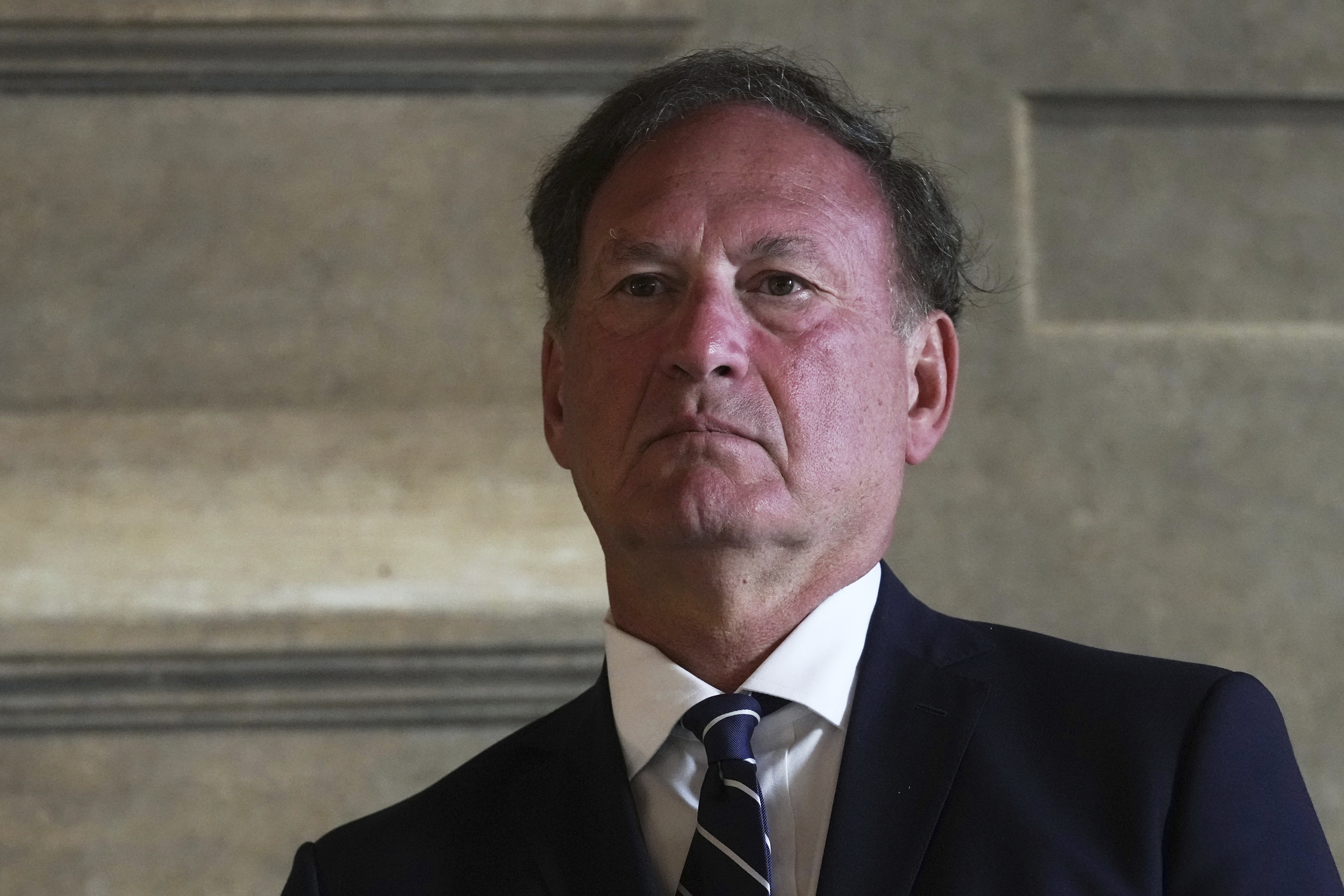
Samuel Alito Breaks With Supreme Court Conservatives in Lone Dissent
Summary
Justice Samuel Alito issued the only dissent in a Supreme Court case about whether supervised-release terms can be extended automatically when a person flees. The court decided the law doesn’t allow this automatic extension. Alito disagreed, saying it weakens the ability to enforce the law if someone avoids supervision.Key Facts
- Justice Samuel Alito was the only dissenting voice in the Supreme Court decision.
- The case involved extending supervised-release terms when defendants abscond.
- The Supreme Court ruled against automatic extensions of supervised release.
- This decision overturned a previous Ninth Circuit ruling.
- Alito argued the ruling removes an important tool for enforcing supervision.
- The decision affects federal sentencing and supervision rules across the U.S.
Read the Full Article
This is a fact-based summary from The Actual News. Click below to read the complete story directly from the original source.