Summary
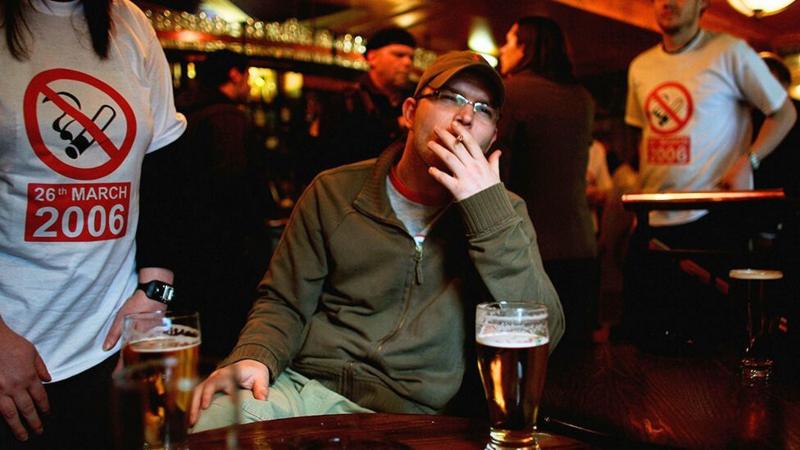
Scotland introduced a ban on smoking in enclosed public places, like pubs and restaurants, on March 26, 2006. This move aimed to improve public health and reduce smoking-related health issues. Studies have linked the ban to improved health outcomes, such as fewer hospital visits for heart attacks.
Key Facts
- Scotland banned smoking in enclosed public places on March 26, 2006.
- This made Scotland the first part of the UK to implement such a ban.
- The law was intended to protect public health and reduce exposure to second-hand smoke.
- Public Health Scotland and the University of Stirling found a 96% drop in second-hand smoke exposure.
- Hospital admissions for heart attacks fell by 17% after the ban.
- Smoking rates in Scotland decreased from about 25% in 2006 to 14% by 2024.
- Approximately 700 pubs in Scotland closed within four years of the ban.
- The legislation followed by other UK nations, including Wales, Northern Ireland, and England, in 2007.