Summary
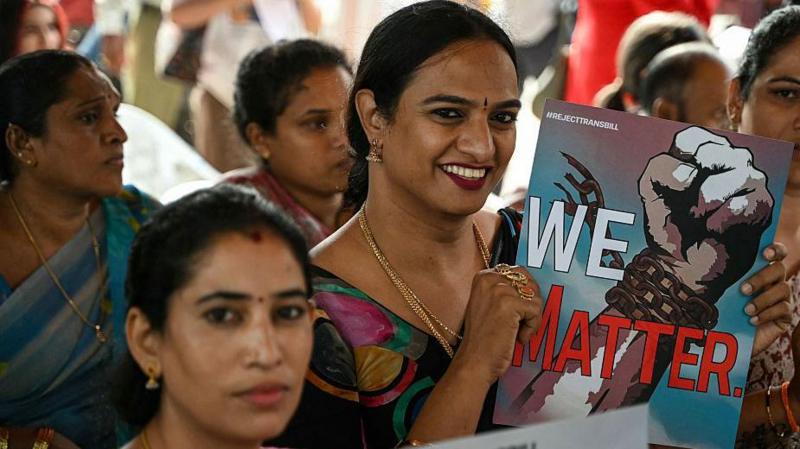
India's parliament has passed a bill that changes how transgender people are legally recognized. The bill requires transgender individuals to be identified based on biological traits and includes mandatory certification for gender-affirming surgeries. It has sparked protests from the LGBTQ community and opposition parties who argue it limits self-identification rights.
Key Facts
- India's parliament approved a bill altering the legal recognition of transgender people.
- The bill requires certification from medical boards for gender-affirming surgeries.
- It removes the right to self-identify, basing recognition on biological traits.
- Critics argue the bill could exclude many transgender, non-binary, and gender-fluid people.
- India's Supreme Court recognized transgender people as a "third gender" in 2014.
- Protests have occurred across India, led by the LGBTQ community and opposition politicians.
- A Supreme Court-appointed panel asked the government to withdraw the bill for further consultation.
- The government claims the bill aims to improve welfare access and combat exploitation.