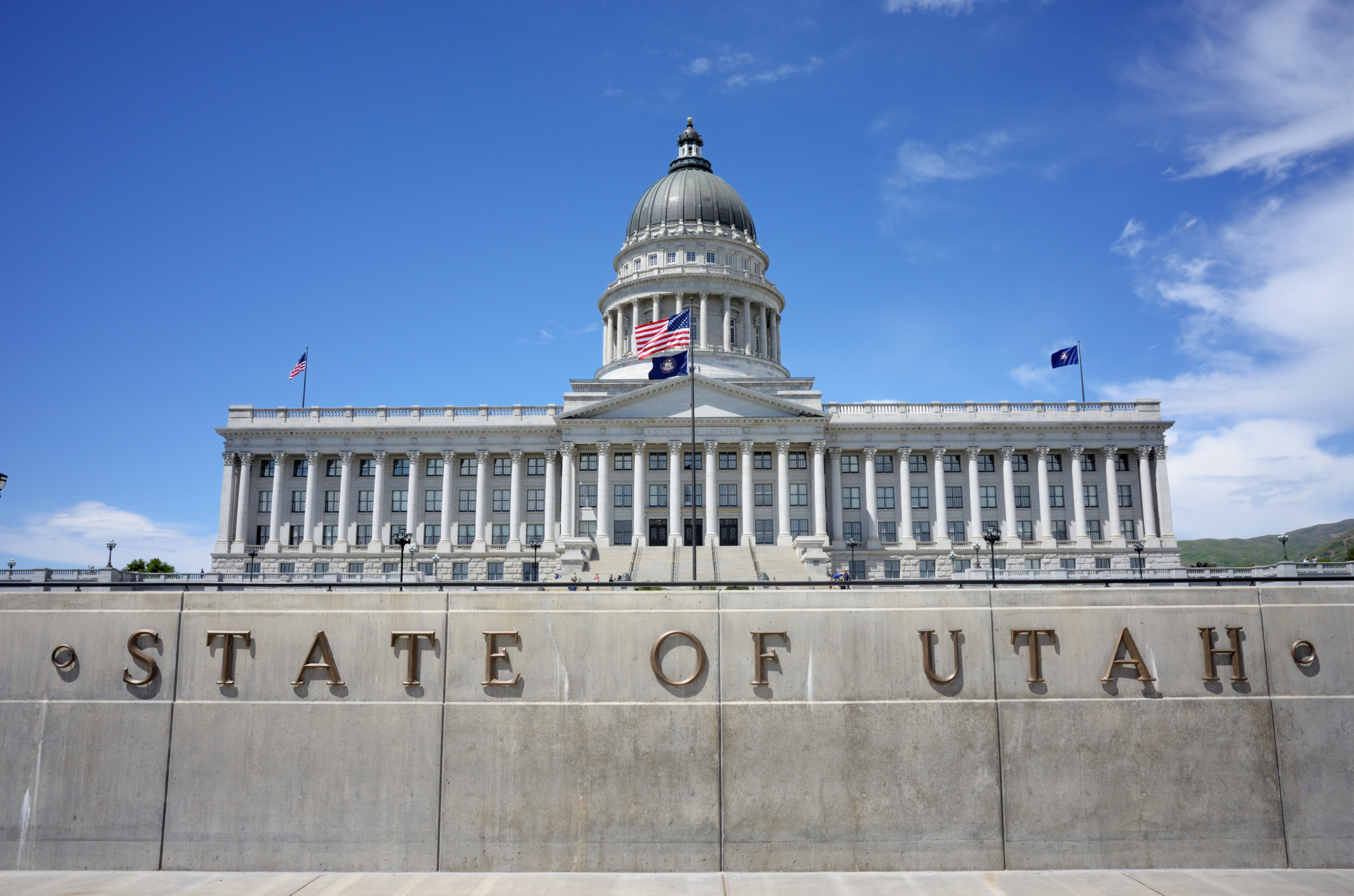
Republicans Dealt Red State Redistricting Blow
Summary
In Utah, an effort by Republicans to repeal a law that requires an independent committee to handle redistricting failed to gather enough signatures to appear on the ballot for the 2026 midterm elections. This development means that the state will continue using new congressional maps after a court previously ruled the existing ones as gerrymanders. The current map splits the Democratic-leaning Salt Lake City area, but the new map will keep it together, benefiting Democrats.Key Facts
- A Republican-led initiative to repeal Utah's independent redistricting committee law will not be on the 2026 ballot.
- Utah law requires signatures from 8% of voters statewide and in most state Senate districts for ballot initiatives.
- Signature challenges in one district left the repealing effort short by 260 signatures.
- Better Boundaries, an anti-gerrymandering group, campaigned for voters to remove their signatures from the repeal petition.
- The Utah Republican Party expressed concerns over the practices used by opposition groups.
- Utah's new congressional map will consolidate the Salt Lake City area into one district, likely favoring Democrats.
- Redistricting involves redrawing congressional districts every ten years based on census data, but legal challenges can prompt changes before then.
- Other states, like Texas and California, are also engaged in redrawing district maps to favor certain political parties.
Read the Full Article
This is a fact-based summary from The Actual News. Click below to read the complete story directly from the original source.