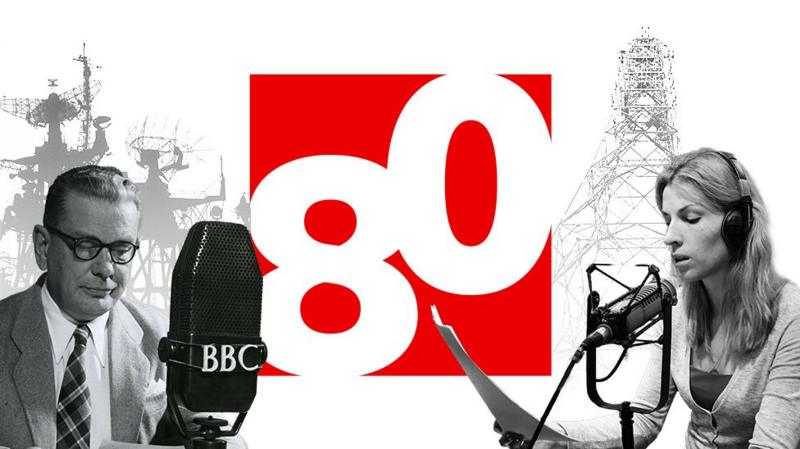
Summary
BBC Russian has faced restrictions from the Soviet Union and modern Russia for 80 years, making it hard to reach Russian audiences. Despite obstacles like jamming of radio signals and website blocks, they have continued trying to provide alternative content to state-controlled media. Russia now restricts internet access, including plans to block certain apps, which affects how audiences access international news.
Key Facts
- BBC Russian has been operating for 80 years, beginning in 1946.
- The Kremlin has historically jammed BBC broadcasts and now blocks its online content.
- Russia has recently increased internet restrictions, including plans to block Telegram.
- Jamming was used to prevent Soviet citizens from listening to foreign broadcasts.
- During the Cold War, BBC repeated broadcasts to ensure people could hear them.
- Some less politically sensitive broadcasts were not jammed, allowing some content to reach listeners.
- In 1982, BBC briefly bypassed jamming with a special program after a Soviet leader's death.
- In 1987, during reforms in the Soviet Union, jamming of BBC Russian broadcasts stopped.