Summary
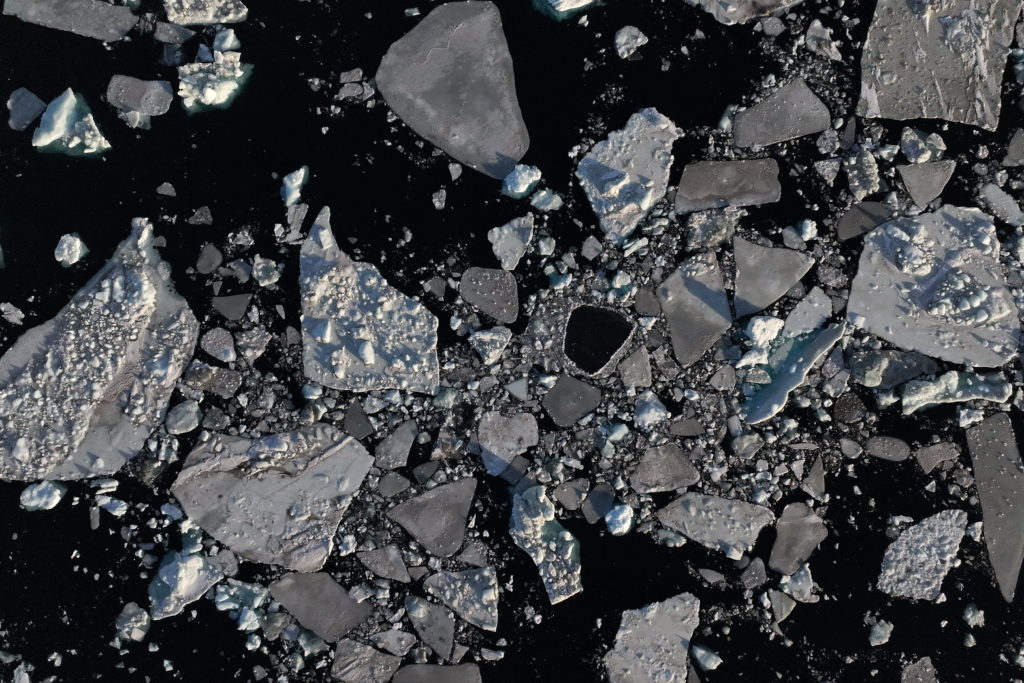
Arctic sea ice has shrunk to its lowest recorded winter level, which ties the previous record low, as global temperatures hit new highs. The shrinking ice is significant because it impacts climate regulation, wildlife habitats, shipping routes, and geopolitical interests. At the same time, there have been record-breaking heatwaves globally, including in the U.S., Mexico, and several other regions.
Key Facts
- Arctic sea ice reached 5.52 million square miles this winter, the lowest on record.
- This year's ice level is tied with last year's as the lowest, both slightly under the previous average.
- More than 16 U.S. states broke March temperature records recently.
- Mexico saw temperatures warmer than typical for May, breaking thousands of records.
- Asia broke many temperature records by 30 to 35 degrees Fahrenheit.
- The shrinkage in Arctic ice creates new shipping routes and affects geopolitical dynamics.
- Rising ocean temperatures occur as less ice reflects sunlight, resulting in more heat absorption.
- While much of the world experienced heat, Antarctica had its coldest March day on record at minus 105.5 degrees Fahrenheit.