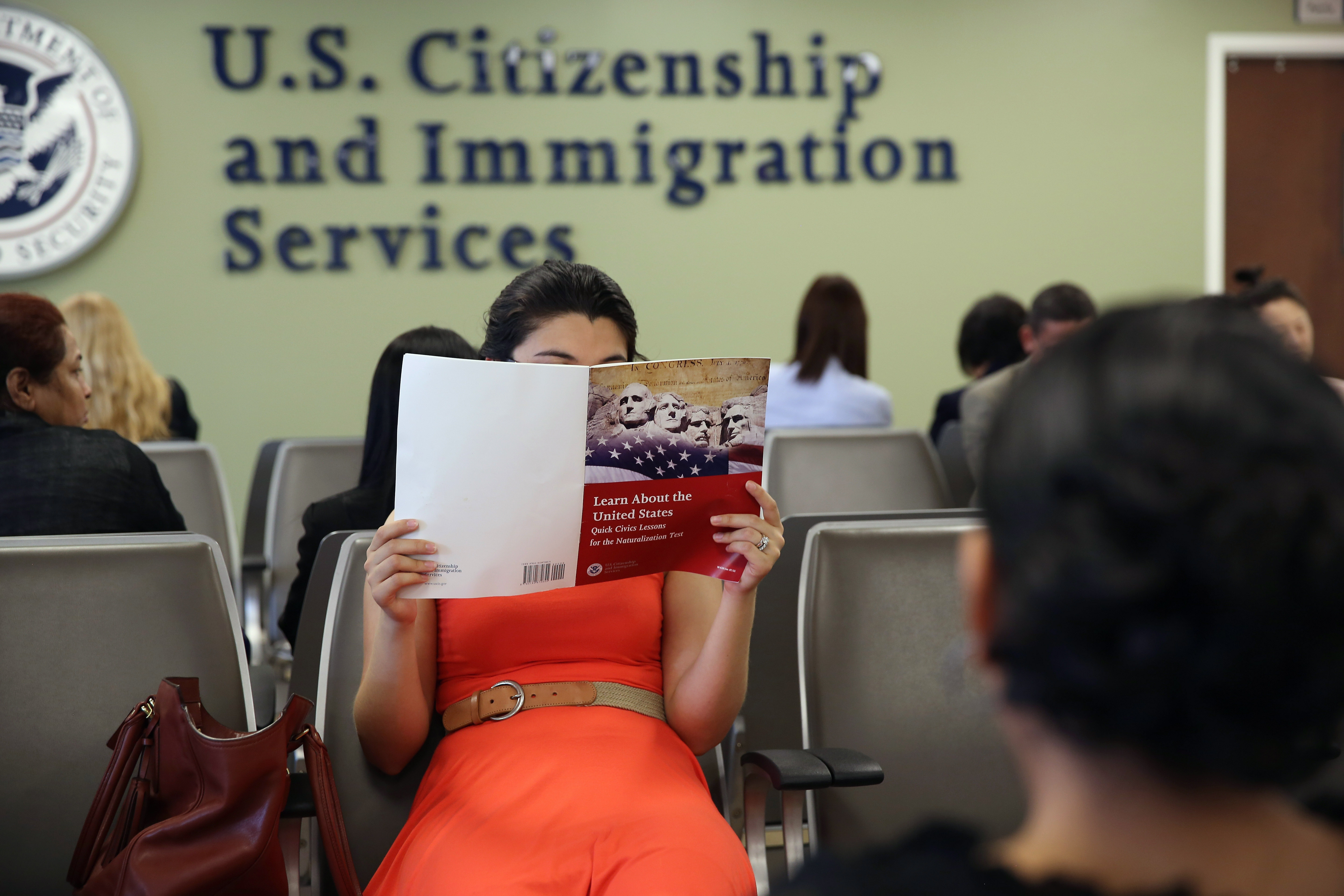
3 Ways a US Citizen Can Be Denaturalized
Summary
The article explains how U.S. citizenship acquired through naturalization can be revoked through a process called denaturalization. This process happens in federal court when citizenship was obtained through fraud, certain misconduct, or failure to meet specific requirements, such as those related to military service. Denaturalization cases are rare and require a high level of proof.Key Facts
- Denaturalization is when a federal court takes away someone's U.S. citizenship obtained through naturalization.
- This can happen if someone lied or concealed facts during the naturalization process.
- Citizenship can be revoked if the person did not meet legal requirements, like residency or lawful status, when they were naturalized.
- For those who get citizenship through military service, it can be revoked if they are discharged dishonorably before completing the required service period.
- The process involves agencies like USCIS, DHS, and the Department of Justice, and must go through federal court.
- There is a high evidence standard needed to revoke citizenship, making these cases resource-intensive.
- Recently, there is guidance to potentially increase the number of denaturalization cases referred to the Justice Department.
- Each denaturalization case is handled individually in court, limiting how many can proceed at once.
Read the Full Article
This is a fact-based summary from The Actual News. Click below to read the complete story directly from the original source.