Summary
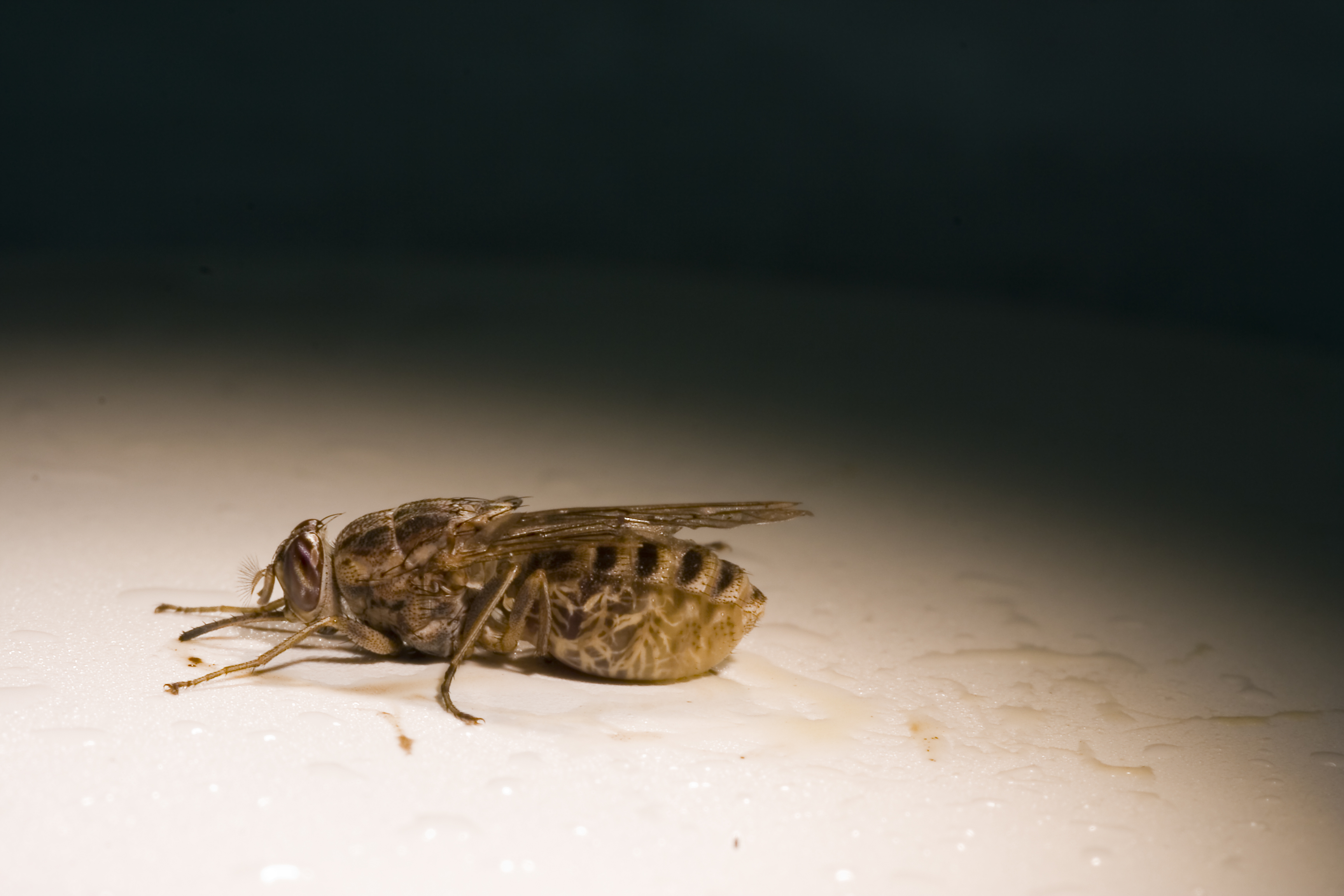
Scientists have solved a long-standing mystery about how the parasite causing sleeping sickness evades the human immune system. They found that the parasite uses a special protein to remove unwanted genetic material, allowing it to hide from the immune system. This discovery could lead to new treatments for sleeping sickness, which is transmitted by tsetse flies in Africa.
Key Facts
- Sleeping sickness, or human African trypanosomiasis (HAT), is caused by parasites from tsetse fly bites in sub-Saharan Africa.
- If not treated, sleeping sickness can be fatal.
- The disease progresses in two stages, with mild symptoms initially and severe neurological issues later.
- The parasite uses a protein coat to avoid being detected by the immune system.
- Scientists discovered a new protein, ESB2, which helps the parasite eliminate unwanted genetic instructions.
- This protein shredding process allows the parasite to produce necessary proteins and hide from the immune system.
- The discovery was made by researchers at the University of York.
- Understanding this mechanism might help in developing new treatments for sleeping sickness.