Summary
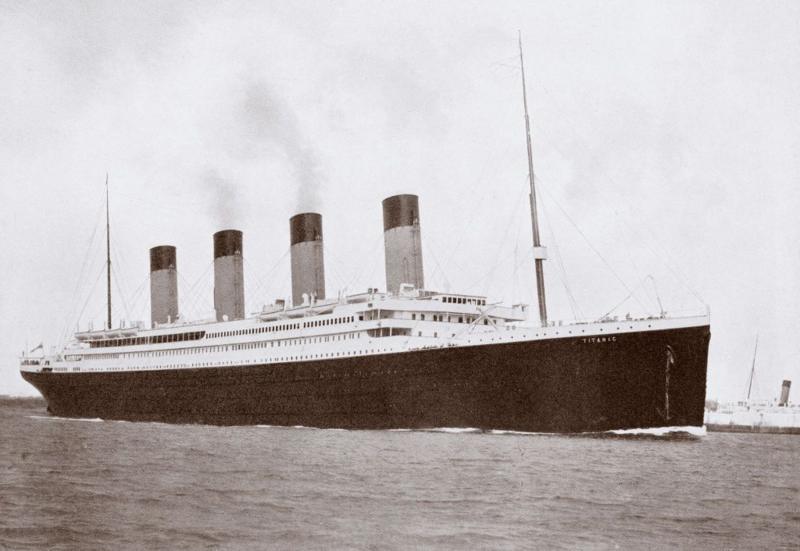
The technical plans and drawings of the Titanic, which were previously restricted, will now be available to the public for the first time. These documents, stored at the Ulster Folk Museum, include detailed designs from the Harland & Wolff shipyard in Belfast, where the Titanic was built. This initiative is part of a project by National Museums Northern Ireland to make historical shipbuilding archives more accessible.
Key Facts
- The Titanic was the largest and most technically advanced ship when it set sail in 1912.
- The ship struck an iceberg and sank during its first journey from Southampton to New York, killing over 1,500 people.
- The Titanic was designed to stay afloat even if up to four of its watertight compartments were breached, but it sank after five compartments were damaged.
- The ship's plans are part of the Harland & Wolff ship plans archive, stored at the Ulster Folk Museum.
- National Museums Northern Ireland is making these plans available to the public for the first time.
- The archive project, called "From Drawing Board to Slipway," is supported by the Archives Revealed grant programme.
- The archive also includes plans for Titanic's sister ships, Olympic and Britannic.
- Access to the archive was previously limited to academics and researchers but is now being expanded to the public both online and in-person.