Summary
A parasitic insect called the New World screwworm, which was eliminated in the United States in 1966, is now approaching the U.S. border after cases increased in Central America. The lack of funding for surveillance and control programs has allowed the screwworm to spread closer to the U.S., particularly along the Mexico-Texas border.
Key Facts
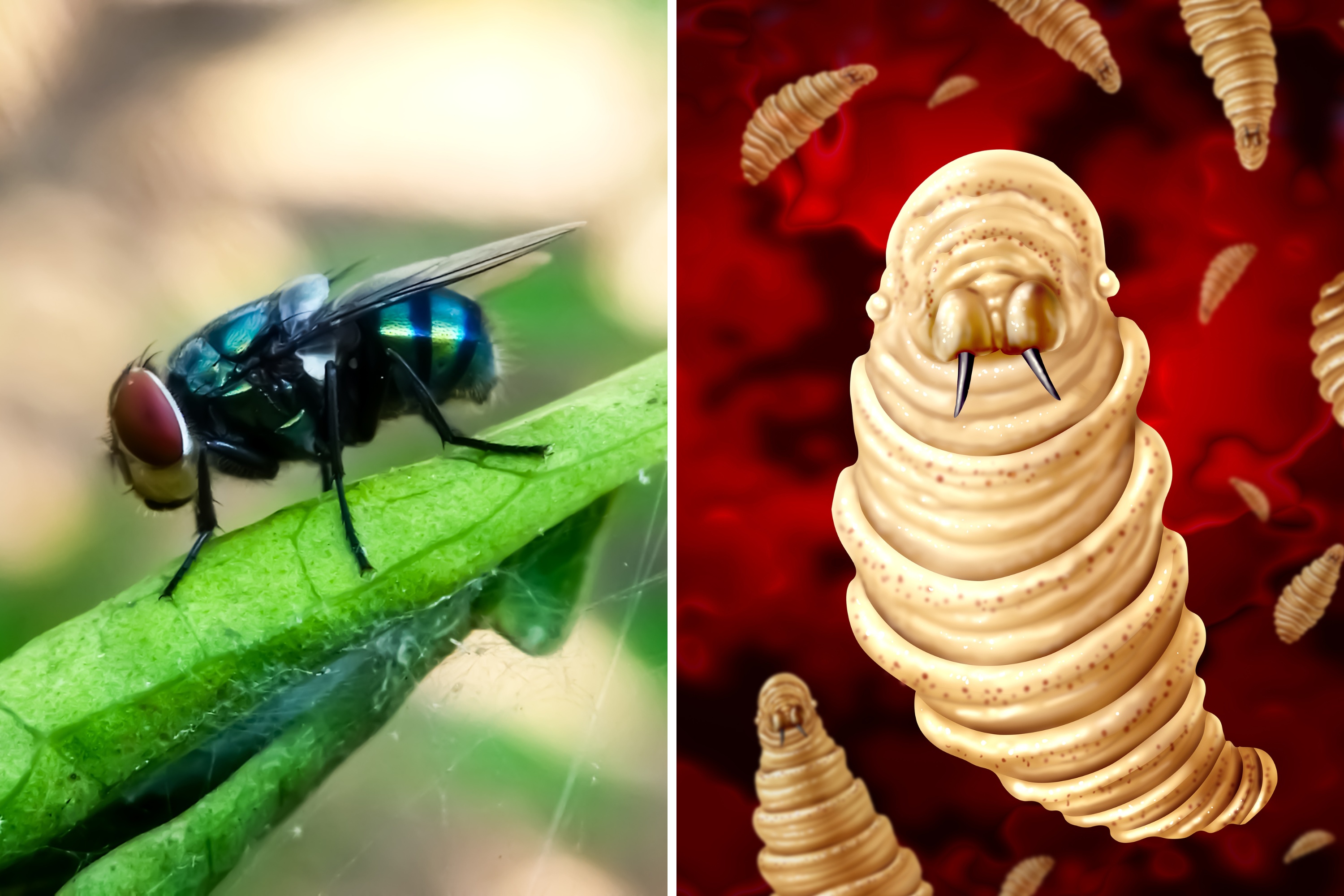
- The New World screwworm is a parasitic fly that lays eggs in wounds of animals and humans.
- It was eradicated from the United States in 1966 but has resurged in Central America.
- The screwworm is now present in Mexican states bordering Texas.
- U.S. budget cuts have affected surveillance and control efforts for the screwworm.
- New federal funding has been announced to prevent the screwworm from entering the U.S.
- The USDA advises people to report any suspicious wounds or infestations.
- The sterile insect technique helped eliminate the screwworm before but may not be as effective now.
- The CDC warns of increased risk in areas where the screwworm is found, with symptoms including painful sores and infections.