Summary
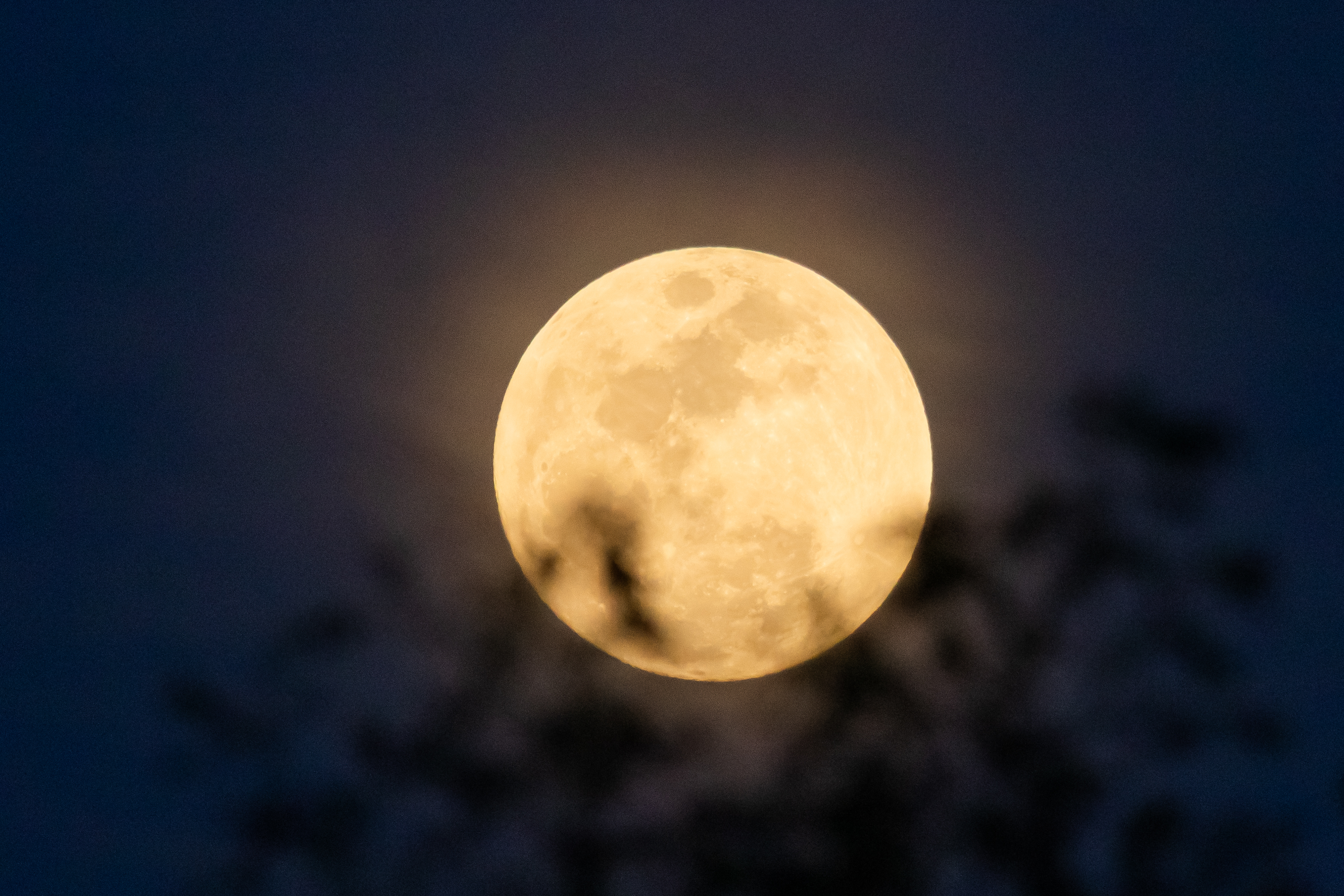
The United States is planning to send humans back to the Moon as part of NASA's Artemis program. While the Moon looks the same on the surface since the last human visit over 50 years ago, scientific observations show changes like new craters and space weathering effects.
Key Facts
- NASA's Artemis program includes Artemis II, which will be the first crewed mission but won't land on the Moon.
- Thousands of new small craters have formed on the Moon due to meteoroid impacts since the Apollo missions.
- The Moon's surface undergoes "space weathering," which darkens and changes the soil known as regolith.
- Moonquakes, or lunar seismic activity, continue to occur due to tidal forces and temperature changes.
- In 2019, Israel's Beresheet spacecraft crashed on the Moon carrying tardigrades, microscopic organisms known for enduring harsh conditions.
- Tardigrades on the Moon remain in a dormant state because they need water to be active.